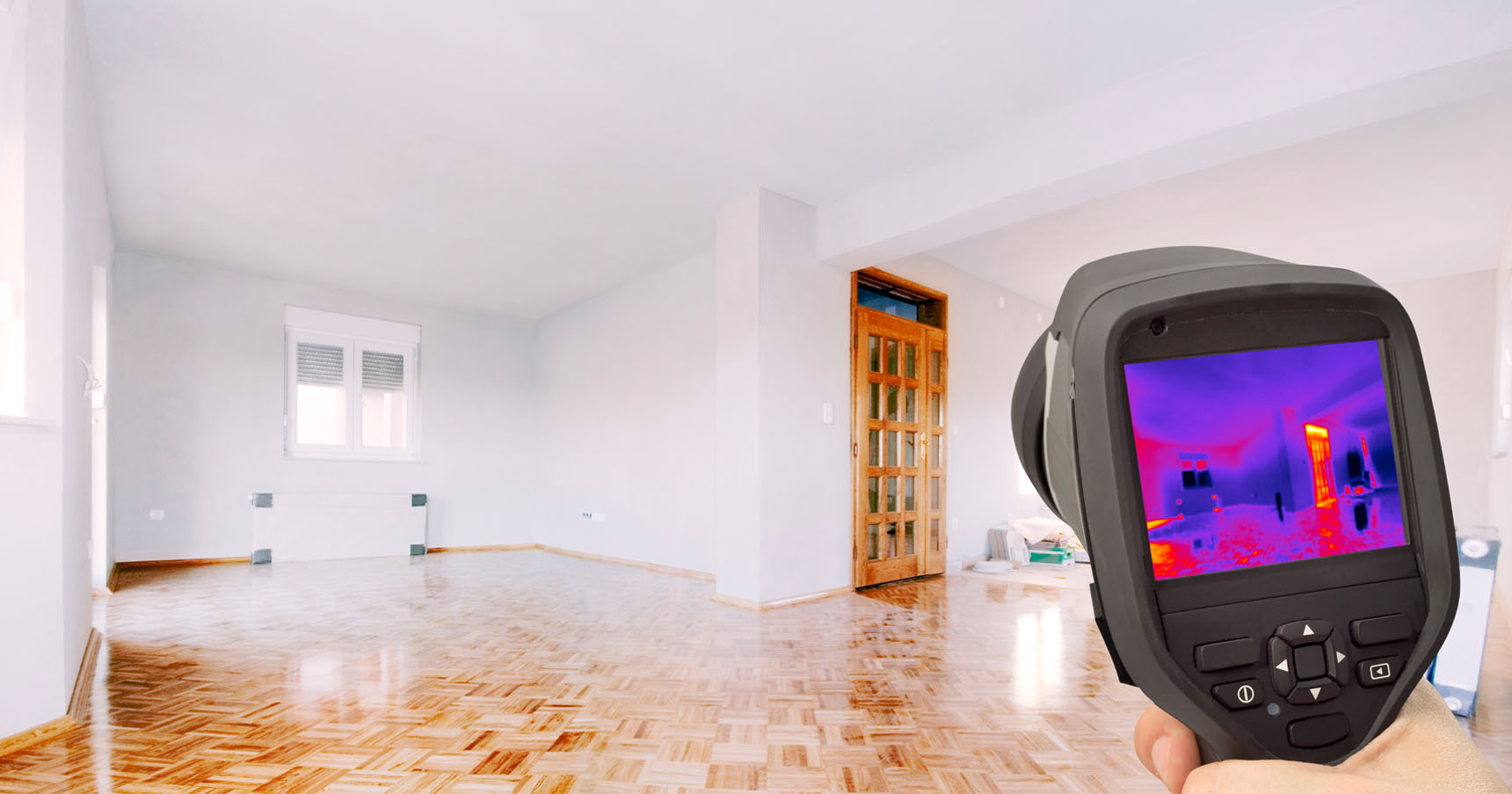
Melbourne Homes Dealing with Thermal Imaging Inspections in Waterfront Homes — How to Avoid Structural Damage
Waterfront living in Melbourne offers incredible views, coastal breezes, and direct access to the Indian River Lagoon or nearby canals. But alongside those benefits comes constant exposure to humidity, salt air, wind-driven rain, and fluctuating groundwater levels. Over time, these environmental pressures can quietly affect structural components of a home.
In waterfront properties, moisture doesn’t always appear as standing water or visible leaks. Instead, it may show up as subtle temperature differences behind walls, damp insulation in attic spaces, or elevated moisture levels along slab edges. This is where thermal imaging inspections become especially valuable.
Thermal imaging provides a non-invasive way to detect hidden moisture patterns before structural damage develops. When used correctly in Melbourne waterfront homes, it becomes a preventative tool—helping homeowners avoid rot, mold growth, insulation breakdown, and long-term deterioration.
Understanding how thermal imaging works and when to schedule an inspection can make a significant difference in protecting your investment.
Why Waterfront Homes in Melbourne Face Higher Moisture Risk
Waterfront homes are exposed to conditions that inland homes simply don’t experience to the same degree.
Constant Humidity Exposure
Being near open water means higher baseline humidity. Even on clear days, air moisture levels remain elevated.
Salt Air Corrosion
Salt-laden air gradually weakens metal fasteners, flashing, and connectors—creating small entry points for water intrusion.
Wind-Driven Rain
Storms push rain horizontally against exterior walls and windows, forcing water into minor cracks.
Elevated Groundwater Levels
Homes near canals or lagoons may experience slab moisture migration after heavy rainfall.
Dock and Seawall Proximity
Water vapor rises continuously from surrounding surfaces, increasing localized humidity.
Over time, these factors create the potential for hidden moisture accumulation.
What Thermal Imaging Actually Detects
Thermal imaging cameras detect infrared radiation, which translates into temperature differences on surfaces.
They do not “see water.” Instead, they reveal patterns that may indicate:
-
Moisture presence
-
Insulation voids
-
Air leakage
-
Condensation zones
-
HVAC imbalances
Moist materials often appear cooler than surrounding dry materials because evaporation absorbs heat.
In waterfront homes, subtle patterns matter. Early detection prevents long-term structural damage.
Common Moisture Problems in Melbourne Waterfront Homes
Thermal imaging inspections often identify issues such as:
Exterior Wall Intrusion
Wind-driven rain can enter around:
-
Sliding glass doors
-
Window frames
-
Stucco cracks
-
Balcony penetrations
-
Exterior light fixtures
Thermal imaging may show vertical cooler streaks following water paths.
Attic Condensation
In humid waterfront environments:
-
Cold AC ducts can sweat
-
Roof decking may show condensation
-
Insulation may become damp
Thermal scanning highlights irregular cooling patterns in ceiling areas.
Slab Edge Moisture
Concrete slabs absorb moisture through capillary action.
Thermal imaging may reveal cooler floor edges near exterior walls.
Hidden Plumbing Leaks
Slow leaks inside walls often produce localized temperature anomalies before visible staining occurs.
Step-by-Step: How Thermal Imaging Inspections Are Conducted
Step 1: Establish Temperature Contrast
For thermal imaging to work effectively, there must be a temperature difference between surfaces.
In Melbourne homes, professionals often:
-
Run air conditioning to cool interiors
-
Schedule inspections during certain times of day
-
Close windows and doors to stabilize conditions
This improves visibility of anomalies.
Step 2: Scan Exterior Walls
Waterfront walls receive the most environmental exposure.
Professionals scan:
-
Window perimeters
-
Door frames
-
Wall transitions
-
Areas facing prevailing winds
Thermal anomalies are marked for further evaluation.
Step 3: Inspect Attic and Ceiling Areas
Attics are high-risk zones in Florida.
Inspectors examine:
-
Roof decking
-
Rafters
-
Insulation layers
-
Ductwork insulation
Temperature irregularities often indicate moisture retention or insulation gaps.
Step 4: Evaluate Flooring and Slab Edges
Floor perimeters near exterior walls are scanned for cooler zones that may suggest slab moisture migration.
Step 5: Confirm With Moisture Meters
Thermal imaging alone is not conclusive.
After identifying anomalies, inspectors use:
-
Pin-type moisture meters
-
Pinless moisture scanners
to confirm whether moisture is present.
This prevents misinterpretation caused by simple temperature differences.
How Thermal Imaging Prevents Structural Damage
Early moisture detection prevents:
Wood Rot
Framing and roof decking can weaken when moisture persists.
Insulation Breakdown
Wet insulation loses effectiveness and traps humidity.
Mold Growth
Mold develops when materials remain damp for extended periods.
Fastener Corrosion
Salt air combined with moisture accelerates metal deterioration.
Subfloor Warping
Flooring systems may swell or separate if moisture remains unaddressed.
By identifying issues early, repairs can be localized and less invasive.
Why Waterfront Homes Require More Frequent Evaluations
Melbourne waterfront properties experience year-round environmental stress.
Inspections are especially important:
-
After hurricane season
-
Following prolonged rain events
-
When replacing roofing systems
-
If musty odors appear
-
Before major renovations
-
When purchasing or selling the property
Proactive evaluations often prevent large-scale remediation later.
Common Misinterpretations of Thermal Images
In humid climates, temperature differences do not always mean water intrusion.
Thermal anomalies can also result from:
-
Air conditioning airflow patterns
-
Missing insulation
-
Sun exposure differences
-
Reflective surfaces
This is why experience matters. Professionals familiar with Melbourne’s coastal conditions interpret findings carefully and confirm with additional tools.
Preventative Strategies for Waterfront Homeowners
Thermal imaging is part of a larger moisture control plan.
Homeowners can reduce structural risk by:
-
Maintaining roof flashing and sealants
-
Inspecting windows annually
-
Monitoring indoor humidity (45–55% is often ideal)
-
Servicing HVAC systems regularly
-
Ensuring attic ventilation is unobstructed
-
Checking for condensation around vents
-
Maintaining seawalls and drainage systems
Waterfront homes benefit from ongoing observation rather than reactive repairs.
The Role of Professional Experience in Melbourne
Coastal Florida homes behave differently than inland properties.
Professionals familiar with Melbourne understand:
-
Lagoon-driven humidity patterns
-
Prevailing wind directions during storms
-
Salt corrosion effects
-
Slab moisture dynamics in waterfront lots
-
AC performance challenges in humid climates
Experience across Melbourne, Palm Bay, Cocoa, Merritt Island, and Sanford improves diagnostic accuracy.
Companies such as Inspections and More FL emphasize moisture source identification before recommending any major repair.
Long-Term Value of Thermal Imaging
Thermal imaging inspections provide:
-
Early detection of hidden moisture
-
Reduced demolition during investigations
-
Targeted repair planning
-
Better maintenance scheduling
-
Increased property value confidence
-
Peace of mind for waterfront homeowners
In Melbourne’s waterfront communities, proactive moisture detection often saves significant repair costs over time.
A Practical Takeaway for Waterfront Property Owners
Living on the water in Melbourne offers lifestyle benefits—but also environmental responsibility. Moisture control must be ongoing, not occasional.
Thermal imaging inspections offer a calm, measured way to detect hidden moisture before it becomes structural damage.
When combined with:
-
Moisture meter confirmation
-
Proper maintenance
-
Roof and window care
-
Humidity monitoring
thermal imaging becomes a preventative safeguard.
For waterfront homes exposed daily to coastal humidity and storm conditions, early detection is not just helpful—it’s protective.
Taking a proactive approach ensures that your Melbourne waterfront property remains structurally stable, dry, and resilient for years to come.