
Melbourne Homes Dealing With Anti-Microbial Fogging in Rental Properties — When to Schedule an Evaluation
Rental properties in Melbourne operate a little differently than owner-occupied homes.
There’s turnover. Different ventilation habits. Varying AC settings. And sometimes, small maintenance issues that don’t get reported right away.
Add coastal humidity, frequent summer storms, and salt-laden air, and it’s easy to see how moisture problems can quietly build inside rental units. When microbial growth is suspected, anti-microbial fogging is sometimes part of the remediation plan.
But knowing when to schedule an evaluation makes all the difference.
Fogging at the wrong time solves nothing. Fogging at the right time supports long-term stability.
What Anti-Microbial Fogging Actually Does
Anti-microbial fogging disperses a fine mist of treatment solution throughout an enclosed space. The fog settles on exposed surfaces, helping reduce microbial presence and odor-causing contaminants.
In rental properties, it’s often used in:
• Living spaces after mold remediation
• Crawl spaces with prior humidity issues
• Attics affected by minor roof leaks
• Units with persistent musty odors
• HVAC-impacted areas after moisture exposure
Fogging is a finishing or supplemental step.
It does not remove heavy contamination.
It does not replace structural drying.
It works best after the root cause has been addressed.
Why Rental Properties in Melbourne Are More Prone to Moisture Issues
Melbourne’s coastal location brings year-round humidity. Even in cooler months, moisture levels remain elevated compared to inland cities like Sanford.
Rental properties add additional risk factors:
• Tenants leaving windows open during humid weather
• Bathroom exhaust fans not used consistently
• AC systems running at inconsistent settings
• Delayed reporting of minor plumbing leaks
• Furniture blocking airflow against walls
Over time, these small behaviors allow humidity to accumulate.
In enclosed spaces, that’s enough to encourage microbial growth.
Fogging may be appropriate — but only after proper inspection.
Signs It’s Time to Schedule an Evaluation
For landlords and property managers in Melbourne, certain situations should prompt a professional assessment before considering fogging.
These include:
• Persistent musty odors between tenant turnovers
• Visible staining on drywall or baseboards
• A plumbing leak beneath sinks or behind walls
• AC condensation overflow incidents
• Elevated humidity readings inside the unit
• Storm-driven rain intrusion
Even if visible mold is not obvious, odors and humidity shifts are warning signs.
Scheduling an evaluation early prevents larger remediation later.
After Tenant Move-Out
One of the most common times to schedule an evaluation is between tenants.
Vacant units often reveal hidden issues:
• Discoloration behind furniture
• Mold growth in closets
• Damp areas beneath rugs
• Crawl space odor transfer
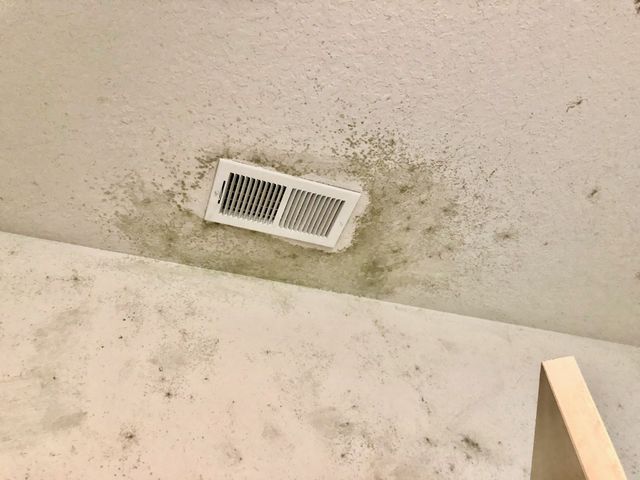
• Stains near vents
Before preparing a unit for the next tenant, it’s wise to assess moisture conditions.
If minor microbial presence is identified and properly cleaned, fogging may be used as an added protective step.
Skipping evaluation risks recurring complaints from new tenants.
After Storm Season or Heavy Rain
Melbourne homes experience intense summer rain and occasional tropical systems.
Even without flooding, wind-driven rain can affect:
• Attic insulation
• Crawl spaces
• Window framing
• Exterior wall cavities
Rental properties may not be inspected immediately after storms unless obvious damage occurs.
Scheduling a moisture evaluation after significant storms helps identify hidden damp areas early.
Fogging may become appropriate if minor surface growth is discovered after drying.
Crawl Spaces in Rental Homes
Older rental properties in Melbourne often include vented crawl spaces.
When soil moisture rises after rain, humidity beneath the home increases. Over time, that moisture may lead to:
• Surface mold on joists
• Damp insulation
• Musty odors entering living spaces
If remediation removes minor growth and drying stabilizes the space, anti-microbial fogging can help treat exposed framing.
But fogging without moisture correction guarantees recurrence.
Inspection must come first.
HVAC and Condensation Issues
AC systems in Melbourne rentals run heavily for much of the year.
Clogged condensate lines, aging duct insulation, and air handler leaks can introduce moisture into walls and ceilings.
If tenants report:
• Odors coming from vents
• Increased dust buildup
• Humidity that feels higher than usual
an evaluation is warranted.
Fogging may support air quality restoration if contamination occurred — but the condensation issue must be repaired first.
Why Timing Matters
Fogging should be scheduled:
• After moisture sources are corrected
• After structural drying is complete
• After contaminated materials are removed
• Before repainting or finishing surfaces
• Before new tenants move in
Applying fogging while materials are still damp reduces effectiveness.
Treating without addressing underlying moisture only delays recurrence.
Companies like Inspections and More FL approach rental property concerns with a full moisture assessment before recommending anti-microbial treatments.
Proper sequencing protects both structure and tenancy stability.
Preventing Recurring Issues in Rentals
Melbourne landlords can reduce the need for repeated fogging by:
• Servicing HVAC systems annually
• Installing humidity monitors in units
• Ensuring bathroom and kitchen exhaust fans function properly
• Inspecting crawl spaces yearly
• Conducting post-storm evaluations
• Addressing minor leaks immediately
Humidity management prevents microbial growth before it starts.
Fogging should be a tool — not a routine maintenance plan.
Why Local Experience Matters in Melbourne
Moisture behaves differently in Melbourne than it does inland.
Coastal wind patterns, salt air exposure, and afternoon thunderstorms create sustained humidity pressure.
Professionals familiar with:
• Common rental property layouts
• Coastal ventilation challenges
• Typical crawl space construction in Brevard County
• AC condensation patterns in Florida homes
can determine when fogging is appropriate — and when additional remediation steps are required.
Local experience reduces unnecessary treatments while ensuring real issues are addressed properly.
A Practical Next Step for Property Owners
If you manage or own rental properties in Melbourne and notice musty odors, humidity concerns, or prior moisture issues, scheduling a professional evaluation is the right move.
Anti-microbial fogging can be an effective protective step — but only after inspection confirms it’s appropriate.
In Florida’s humid climate, moisture problems don’t resolve on their own.
Early assessment protects your property, reduces tenant complaints, and prevents recurring remediation.
Fogging supports recovery.
Inspection ensures it’s done at the right time.
