
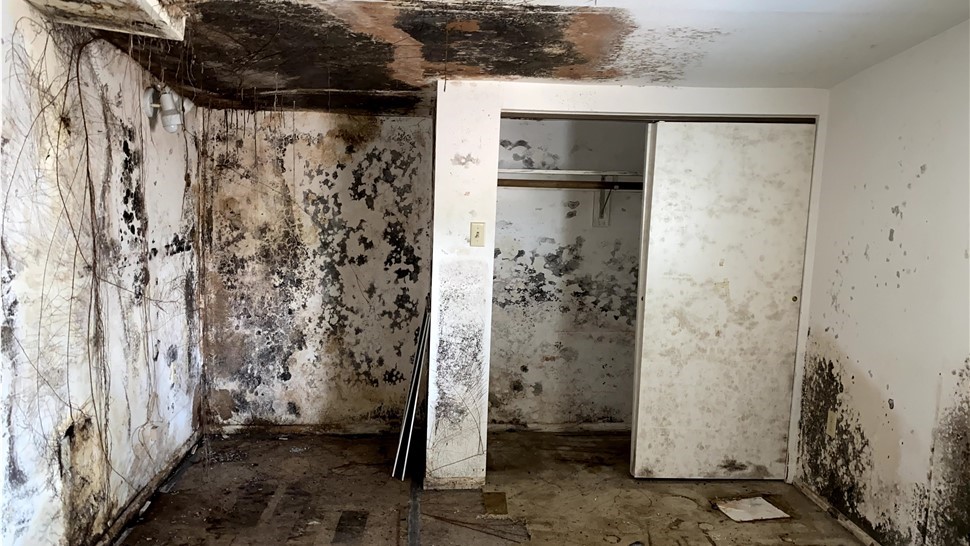
Melbourne Homes Dealing With Mold Remediation After Hidden Water Intrusion — Why Quick Action Matters
In Melbourne, water doesn’t always arrive dramatically. Sometimes it’s not a flooded living room or a collapsed ceiling. Sometimes it’s a slow roof drip during a summer storm. A sliding door that lets wind-driven rain slip past the seal. An AC drain line that backs up for a few days before anyone notices.
That’s how hidden water intrusion starts.
And in coastal Florida, hidden moisture doesn’t stay harmless for long.
Because humidity here is already high, trapped moisture inside walls, ceilings, and flooring systems creates the perfect conditions for mold growth. When that happens, remediation becomes necessary — and timing makes a significant difference in how extensive the process will be.
Let’s break down why quick action matters in Melbourne homes and what actually happens during proper mold remediation after hidden water intrusion.
What Hidden Water Intrusion Really Means
Hidden water intrusion refers to moisture entering structural areas without obvious standing water.
In Melbourne homes, common causes include:
- Roof flashing failures during storms
- Wind-driven rain entering around windows
- Minor plumbing leaks inside walls
- AC condensation and clogged drain lines
- Ductwork sweating in hot attics
- Slab moisture migration in older homes
Because the moisture isn’t visible, it often spreads before being detected.
By the time homeowners notice a musty odor or paint bubbling, water may have been present for weeks.
Why Melbourne’s Climate Accelerates the Problem
Melbourne sits along Florida’s east coast, where environmental conditions amplify moisture issues:
High year-round humidity
Moisture does not evaporate quickly from materials.
Frequent storms and heavy rainfall
Water intrusion often occurs during wind-driven rain events.
Hot attic temperatures
Condensation forms easily around cold ducts.
Salt air exposure
Corrosion weakens metal components and flashing.
Long AC operating seasons
Condensation cycles are constant.
In dry climates, minor leaks may dry naturally. In Melbourne, they rarely do.
That’s why quick detection and remediation are critical.
Early Warning Signs You Shouldn’t Ignore
Hidden water intrusion typically reveals itself through subtle symptoms first.
Homeowners may notice:
- A musty smell that lingers
- Slight bubbling of paint near baseboards
- Ceiling discoloration that fades but returns
- Warped trim or baseboards
- Soft drywall in isolated areas
- Increased indoor humidity
- AC running longer without improving comfort
These are early-stage indicators.
Waiting allows moisture to spread into adjacent areas.
What Happens When Action Is Delayed
When hidden moisture remains active:
- Drywall softens and deteriorates
- Insulation becomes saturated
- Wood framing stays damp
- Mold begins developing inside wall cavities
- Odors intensify
- Repair areas expand
Instead of removing a small drywall section, entire wall runs may need replacement.
Instead of targeted drying, multiple rooms may require containment.
In Florida’s climate, moisture rarely stabilizes on its own.
Step-by-Step: What Proper Mold Remediation Involves
Quick action reduces the footprint of remediation.
Here’s how the process typically works in Melbourne homes.
Step 1: Moisture Detection and Mapping
Professionals identify:
- Elevated moisture levels
- Hidden damp zones
- Affected wall cavities
- Attic insulation saturation
- Slab moisture migration
Thermal imaging and moisture meters help define the impacted area.
Mapping prevents unnecessary demolition and ensures no damp zones are missed.
Step 2: Correct the Water Intrusion Source
Remediation cannot succeed without source correction.
This may involve:
- Roof repairs
- Window resealing
- Plumbing fixes
- AC drain line clearing
- Duct insulation repair
Source correction stops the ongoing moisture cycle.
Step 3: Containment Setup
Affected areas are isolated using plastic barriers.
Negative air pressure may be created to prevent cross-contamination.
This keeps airborne particles from spreading to unaffected rooms.
Step 4: Removal of Compromised Materials
Wet drywall and saturated insulation are carefully removed.
Porous materials that cannot be fully dried are replaced.
Early intervention limits how much material needs removal.
Step 5: HEPA Cleaning
Exposed structural surfaces are cleaned using HEPA filtration.
Physical removal of contamination is essential.
Fogging alone is not a substitute for cleaning.
Step 6: Controlled Structural Drying
Dehumidifiers and air movers are installed.
Drying continues until moisture readings return to acceptable levels.
In Melbourne’s humidity, this step requires careful monitoring.
Step 7: Final Verification
Moisture levels are documented before reconstruction begins.
Skipping verification increases the chance of recurrence.
Companies like Inspections and More FL focus on moisture measurement because Florida conditions demand accuracy.
Why Quick Action Saves Money
When remediation begins early:
- Fewer materials require removal
- Drying times are shorter
- Containment areas are smaller
- Structural framing remains intact
- Reconstruction costs decrease
When delayed:
- Moisture spreads laterally and vertically
- Adjacent rooms become involved
- Mold growth expands
- Project timelines increase
- Costs rise significantly
Time directly affects repair scope.
The Mold Growth Factor
Mold requires moisture to grow.
In Melbourne’s humid climate, mold can begin developing within days when moisture remains trapped.
By addressing hidden intrusion quickly:
- Dampness is reduced before mold establishes
- Odors are minimized
- Structural components are protected
- Full-scale remediation can often be avoided
Early drying is always less invasive than late-stage removal.
Preventing Future Hidden Water Intrusion
Melbourne homeowners can reduce risk by:
- Inspecting roofs after storms
- Maintaining AC systems annually
- Flushing condensate drain lines
- Monitoring indoor humidity levels
- Inspecting attic insulation periodically
- Checking window seals
- Scheduling periodic moisture evaluations
Proactive inspections are far less disruptive than emergency remediation.
Why Local Experience Matters
Mold remediation in Melbourne requires understanding:
- How coastal humidity affects drying
- How wind-driven rain enters structures
- How slab foundations behave during heavy rain
- How long materials realistically take to dry
- How storm cycles impact moisture migration
Local professionals recognize these patterns quickly, allowing faster diagnosis and targeted remediation.
A Practical Next Step
If you suspect hidden water intrusion — whether from storms, plumbing issues, or AC condensation — don’t wait for visible mold.
A professional moisture evaluation provides clarity on what’s wet and what needs correction.
In Melbourne’s climate, quick action protects your home’s structure, reduces remediation costs, and prevents small moisture issues from becoming larger structural repairs.
