Merritt Island Homes Dealing With Mold Encapsulation in Older Florida Homes — When to Schedule an Evaluation
Older homes on Merritt Island have character. Wood framing, raised foundations, vintage layouts — they tell a story. But many of these homes were built long before modern moisture barriers, improved ventilation standards, and advanced HVAC systems became common.
In a coastal environment surrounded by the Indian River Lagoon and Banana River, that age combined with humidity can create long-term moisture exposure inside structural materials.
That’s where mold encapsulation sometimes becomes part of the solution — but timing matters. Scheduling an evaluation at the right moment can prevent small moisture concerns from becoming repeat remediation projects.
Why Older Homes on Merritt Island Are More Vulnerable
Many older Florida homes were built with:
- Minimal vapor barriers
- Limited attic ventilation
- Crawl spaces with basic venting
- Original wood framing exposed to decades of humidity
- Roofing systems that may have experienced multiple storm cycles
Add to that:
- High year-round humidity
- Salt air exposure
- Heavy storm seasons
- Rising groundwater levels
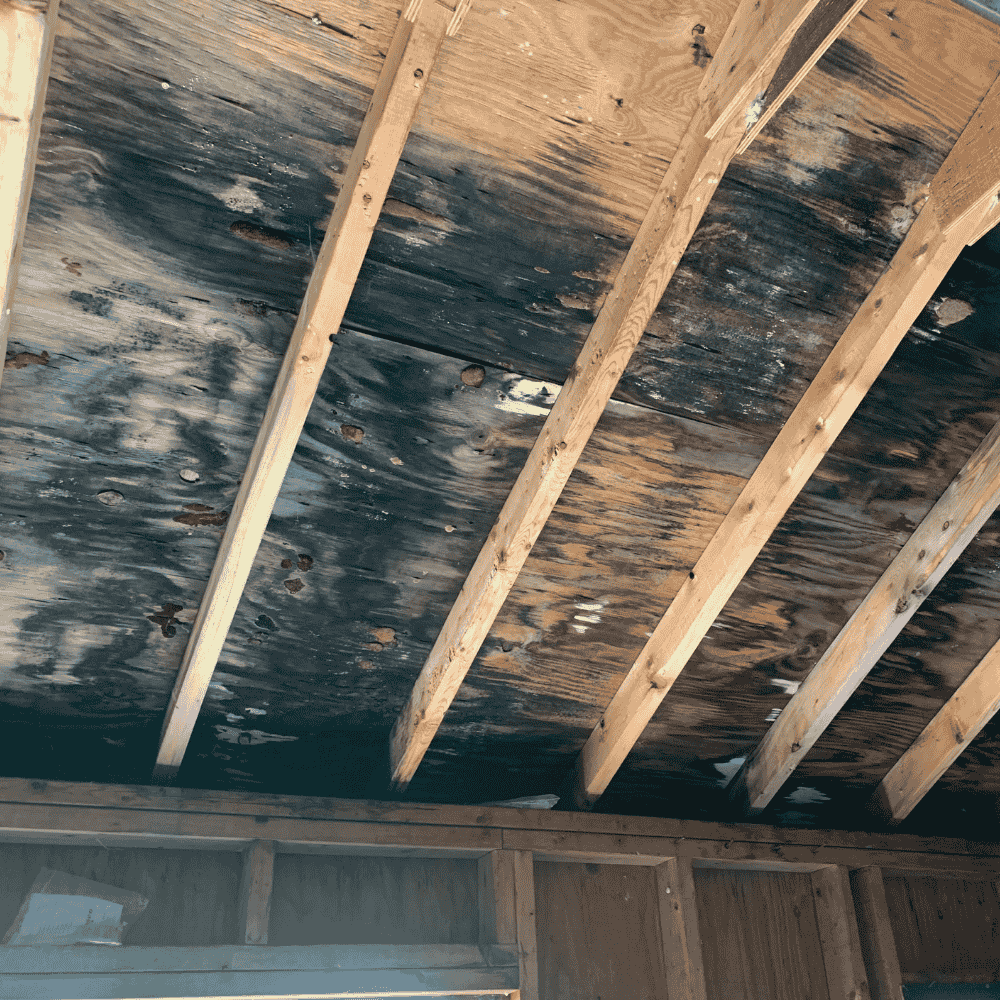
Over time, structural wood in attics and crawl spaces may develop microbial staining or past mold growth from earlier moisture events.
Even if a leak was repaired years ago, framing may still show signs of previous exposure.
What Mold Encapsulation Actually Is (And Isn’t)
Mold encapsulation is a protective coating applied to cleaned and dried structural surfaces.
It is typically used after:
- Proper mold remediation
- Moisture source correction
- Structural drying
Encapsulation helps:
- Seal treated wood surfaces
- Reduce future moisture absorption
- Stabilize framing
- Improve long-term durability
It is not applied over active mold.
It is not a shortcut for leak repair.
It is not a substitute for moisture correction.
In older Merritt Island homes, encapsulation is often used in attics and crawl spaces after past moisture damage has been addressed.
Signs It’s Time to Schedule an Evaluation
Homeowners in older Merritt Island properties should consider a professional evaluation when they notice:
Persistent Musty Odors
Especially if the smell worsens after heavy rain or high humidity days.
Visible Staining on Attic Wood
Darkened roof decking or trusses may indicate previous mold growth.
Crawl Space Dampness
Ground moisture combined with aging framing can create recurring issues.
High Indoor Humidity Despite AC Use
This may suggest moisture release from structural materials.
Past Roof Leaks or Hurricane Damage
Even if repairs were made, structural wood may still carry residual contamination.
Encapsulation decisions should be based on inspection findings — not assumptions.
What Happens During a Mold Encapsulation Evaluation
A structured evaluation in Merritt Island homes typically includes:
1. Moisture Detection
Professionals measure:
- Wood moisture content
- Crawl space humidity
- Attic conditions
- Slab-edge readings (if applicable)
If materials are still damp, drying must happen before encapsulation is considered.
2. Visual Assessment of Structural Wood
Technicians examine:
- Roof decking
- Rafters and trusses
- Crawl space joists
- Subfloor framing
They determine whether discoloration is:
- Surface staining
- Active growth
- Past growth already dried
3. Ventilation Review
Older homes often have outdated ventilation systems.
Attic airflow, crawl space venting, and HVAC performance are evaluated to ensure encapsulated surfaces will not remain exposed to ongoing moisture.
4. Source Identification
Encapsulation only works if moisture sources are resolved.
Professionals check for:
- Roof flashing weaknesses
- Plumbing leaks
- Drainage issues
- Groundwater influence
- Condensation from ductwork
In Merritt Island’s lagoon environment, ground moisture and humidity often contribute together.
Teams experienced locally, such as Inspections and More FL, understand how tidal influence and coastal exposure affect older homes differently than inland properties.
When Encapsulation Is Usually Recommended
Encapsulation in older Merritt Island homes often becomes necessary when:
- Structural wood has been properly remediated
- Moisture levels are stable
- Staining remains after cleaning
- Framing remains vulnerable to humidity cycles
- Long-term moisture resistance is needed
It is especially common in:
- Attics after roof failures
- Crawl spaces with past mold issues
- Raised coastal homes with recurring dampness
Encapsulation provides an added layer of protection for aging materials.
When to Schedule the Evaluation
Timing matters.
The best times to schedule an evaluation include:
After Hurricane Season
Even if no major damage is visible.
After Roof Repairs
Before cosmetic work is completed.
When Buying or Selling an Older Home
Encapsulation recommendations can affect property stability.
When Humidity Feels Persistent
Even without visible mold.
If Previous Mold Was Treated Years Ago
Especially if documentation is limited.
Proactive evaluation is almost always less expensive than reactive remediation.
Long-Term Protection Strategies for Older Merritt Island Homes
Encapsulation works best when paired with preventive steps:
- Monitor indoor humidity (45–55% ideal range)
- Improve attic ventilation if outdated
- Install or repair crawl space vapor barriers
- Service HVAC systems regularly
- Inspect roofing annually
- Address drainage near foundation
Homes in nearby Cocoa and Melbourne face similar humidity, but Merritt Island’s island geography increases soil moisture retention and airborne humidity exposure.
Prevention is especially important here.
Why Local Experience Matters in Older Florida Homes
Encapsulation decisions in older homes require understanding:
- Historical building methods
- Aging framing behavior
- Coastal humidity patterns
- Salt air effects on ventilation systems
- Hydrostatic pressure influence beneath raised homes
Without local knowledge, encapsulation may be applied too early — or skipped when it’s actually needed.
Experience ensures the solution matches the structure.
A Practical Takeaway for Merritt Island Homeowners
Older Florida homes on Merritt Island face constant moisture pressure.
Mold encapsulation becomes necessary when structural wood has been properly remediated and dried but remains vulnerable to recurring humidity exposure.
The key is scheduling an evaluation at the right time — before small moisture issues become long-term structural concerns.
With proper inspection, moisture correction, and strategic encapsulation, older Merritt Island homes can maintain their character while staying stable and protected in Florida’s humid coastal environment.