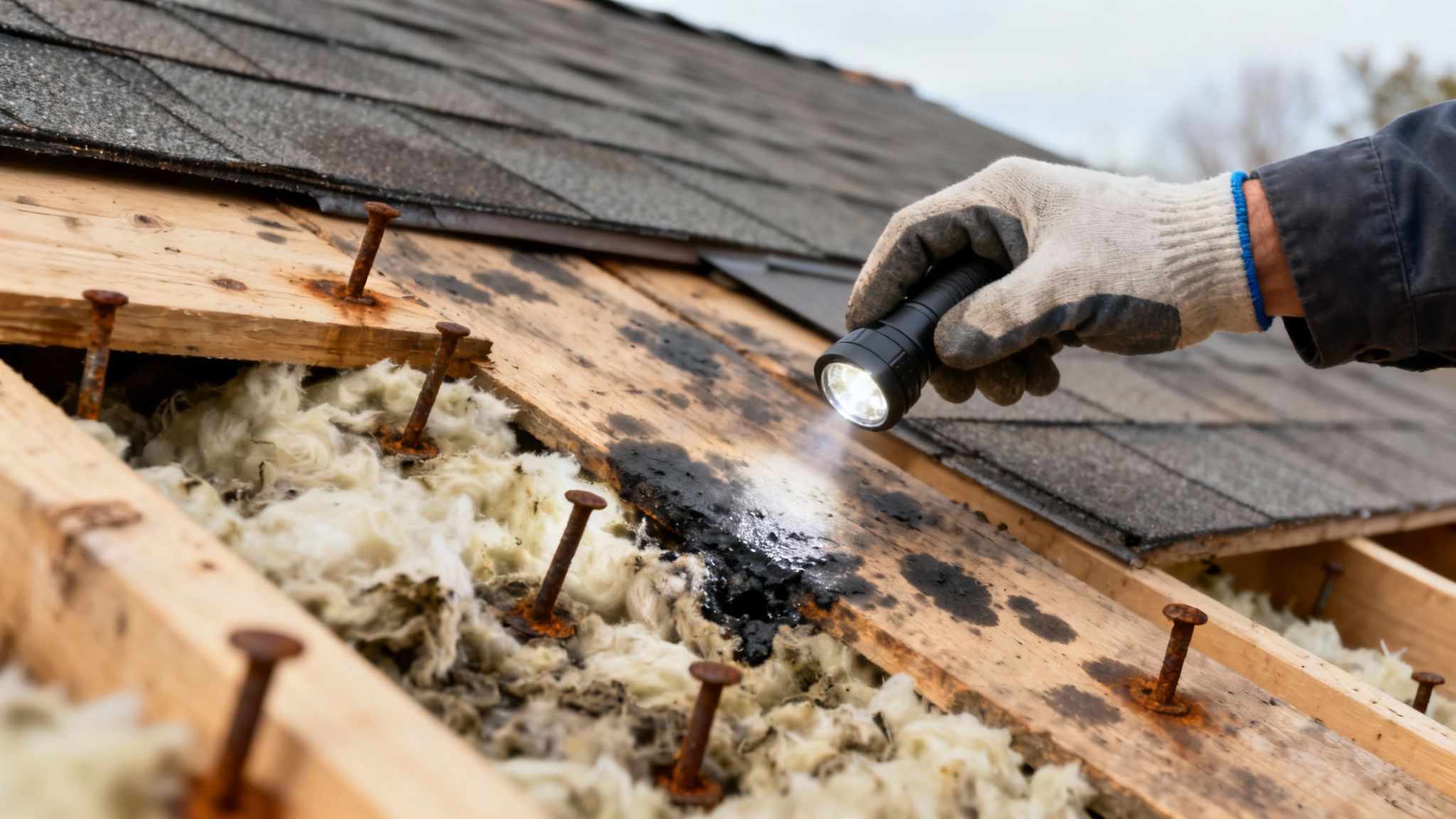
Why Air Blower Installation Becomes Necessary in Melbourne Inside Attic Spaces
In Melbourne, attic spaces take a beating.
Between intense summer heat, hurricane-season rain, coastal humidity, and year-round AC usage, attics often become the most moisture-sensitive part of the home. And the problem isn’t always obvious. You may not see water dripping from the ceiling — but you might notice a musty smell, higher indoor humidity, or insulation that just doesn’t look right anymore.
Why Attics in Melbourne Are So Vulnerable
Melbourne’s coastal environment creates constant stress on attic spaces.
Several local factors contribute:
- High ambient humidity year-round
- Wind-driven rain during storms
- Salt air affecting roof components
- AC systems running heavily (temperature swings cause condensation)
- Limited attic ventilation in older homes
Even minor roof leaks or condensation buildup can leave roof decking damp for extended periods.
And in Florida heat, moisture plus warmth equals rapid microbial development.
What Happens When Attic Moisture Isn’t Properly Dried
When attic wood framing or insulation remains damp:
- Roof decking can weaken over time
- Insulation loses effectiveness
- Musty odors enter living areas
- Mold can develop on trusses and sheathing
- HVAC ducts may sweat and drip
Because warm air rises, attic conditions directly affect indoor comfort below.
If the attic is humid, the home feels humid.
Why Natural Drying Doesn’t Work in Coastal Florida
Homeowners sometimes assume attic moisture will dry out naturally once a leak is fixed.
In Melbourne, that’s rarely true.
High outdoor humidity slows evaporation. Without controlled airflow, moisture can remain trapped in:
- Roof decking
- Truss connections
- Insulation layers
- Framing joints
The attic may feel hot — but heat alone does not remove moisture efficiently.
Evaporation requires airflow.
What Air Blower Installation Actually Does
Air blowers (air movers) create high-velocity, directed airflow across damp surfaces.
In attic applications, they are positioned to:
- Push air across roof decking
- Circulate airflow along trusses
- Target damp insulation areas
- Improve air movement in stagnant zones
The science is simple: moving air accelerates evaporation by removing the saturated air layer sitting on damp materials.
When combined with dehumidification, this dramatically speeds up drying.
Situations Where Attic Air Blowers Become Necessary
In Melbourne homes, air blower installation is commonly required after:
Roof Leaks
Even small flashing failures can soak roof decking.
Hurricane Intrusion
Wind-driven rain can saturate attic insulation without visible ceiling damage.
AC Condensation Issues
Poorly insulated ducts or blocked drain lines can raise attic humidity.
Poor Ventilation
Inadequate airflow traps warm, moist air inside the attic.
Mold Remediation
Airflow supports structural drying before encapsulation or repairs.
In each case, the goal is to dry structural materials before long-term damage develops.
The Professional Process Inside Melbourne Attics
Air blower installation is not random.
Here’s how professionals approach it:
Step 1: Moisture Detection
Technicians measure:
- Wood moisture content
- Insulation dampness
- Humidity levels inside the attic
Thermal imaging may identify hidden damp zones along decking.
Step 2: Source Correction
Roof leaks, ventilation issues, or HVAC condensation problems must be resolved first.
Drying without correcting the cause leads to recurrence.
Step 3: Strategic Airflow Placement
Air blowers are positioned to maximize cross-ventilation and evaporation.
They are angled along:
- Roof decking seams
- Truss intersections
- Perimeter framing
In Melbourne’s humid climate, airflow must be continuous and controlled.
Step 4: Pair With Dehumidification
Air movers push moisture into the air.
Dehumidifiers remove that moisture from the environment.
Together, they stabilize attic humidity and prevent reabsorption.
Step 5: Monitor Drying Progress
Moisture readings are checked daily.
Equipment placement is adjusted if drying stalls.
Professionals experienced in Brevard County, such as Inspections and More FL, understand how Melbourne’s coastal humidity affects drying timelines.
Drying continues until structural moisture levels return to safe ranges.
How Air Blowers Protect the Home Long-Term
Proper attic drying prevents:
- Structural wood deterioration
- Mold growth on roof decking
- Insulation damage
- Persistent musty odors
- Indoor humidity imbalance
- HVAC contamination
Attics influence the entire home’s air balance.
When they are dry and stable, indoor comfort improves significantly.
Why DIY Fans Aren’t Enough
Portable fans do not create the controlled airflow needed for structural drying.
They typically:
- Lack sufficient velocity
- Circulate humid air without removing moisture
- Fail to reach hidden damp pockets
Professional air blowers are designed for restoration environments and are paired with humidity control.
Without dehumidification, airflow alone is incomplete.
Preventing Recurring Attic Moisture in Melbourne
After drying is complete, homeowners can reduce risk by:
- Inspecting roofs annually
- Checking flashing after storms
- Monitoring attic ventilation
- Ensuring ducts are insulated properly
- Maintaining AC drain lines
- Monitoring indoor humidity (45–55% ideal range)
Homes in nearby Palm Bay and Cocoa experience similar storm exposure, but Melbourne’s mix of coastal and inland humidity makes attic airflow especially important.
Proactive inspections prevent repeat drying events.
Why Local Coastal Experience Matters
Attic moisture behaves differently in humid coastal Florida compared to drier regions.
Professionals familiar with Melbourne understand:
- Wind-driven rain intrusion patterns
- Salt air corrosion effects
- Dew point fluctuations in attic spaces
- How humidity interacts with insulation
- Seasonal ventilation challenges
Proper airflow placement depends on understanding these local environmental factors.
Experience ensures drying is effective — not just temporary.
A Practical Perspective for Melbourne Homeowners
Air blower installation inside attic spaces becomes necessary when moisture has entered structural materials and natural drying is insufficient.
In Melbourne’s humid coastal climate, attic moisture rarely resolves on its own.
With accurate moisture detection, controlled airflow, industrial dehumidification, and proper monitoring, attic spaces can be stabilized before long-term structural damage occurs.
In Florida, drying isn’t just about comfort. It’s about protecting the structure above your head — literally.