
Why Anti-Microbial Fogging Becomes Necessary in Merritt Island When AC Condensation Becomes a Problem
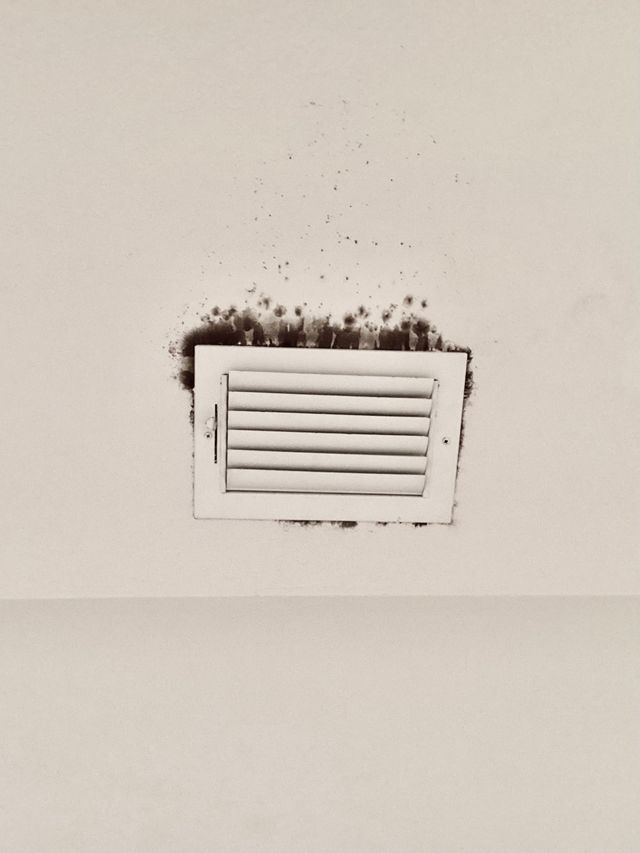
In Merritt Island, air conditioning systems work almost year-round. Between coastal humidity, high summer temperatures, and heavy afternoon storms, AC systems rarely get a break.
But when AC condensation becomes excessive or uncontrolled, it creates more than just a maintenance issue. It creates moisture pockets inside walls, attics, and duct systems — and in Florida’s climate, moisture quickly leads to microbial growth.
That’s when anti-microbial fogging becomes necessary.
Not as a shortcut. Not as a cosmetic fix. But as part of a controlled remediation process designed to address airborne contaminants and hard-to-reach areas affected by condensation-related moisture.
Let’s look at why this issue happens so often in Merritt Island and how fogging fits into the solution.
What the Issue Really Is
Air conditioning systems remove heat and humidity from indoor air. As warm air passes over cold evaporator coils, condensation forms. That water typically drains through a condensate line.
When everything works properly, you never notice it.
But when something goes wrong — clogged drain lines, dirty coils, poor insulation, damaged ductwork — condensation can accumulate where it shouldn’t.
Common AC-related moisture problems include:
- Overflowing condensate pans
- Sweating ductwork in attics or crawl spaces
- Dripping air handler units
- Wet insulation around vents
- Moisture buildup in return air cavities
Once building materials remain damp for more than 24–48 hours, mold spores already present in the air can activate.
And because AC systems circulate air throughout the home, they can also distribute airborne particles.
Why This Happens So Often in Merritt Island
Merritt Island presents unique environmental challenges that increase condensation risk.
Persistent Coastal Humidity
Humidity levels remain elevated for much of the year. When warm, moisture-heavy air meets cold duct surfaces, condensation forms rapidly.
Salt Air Exposure
Salt air accelerates corrosion on HVAC components, increasing the likelihood of drainage issues or system inefficiencies.
High Water Table and Moisture Migration
Ground moisture and crawl space humidity can compound indoor humidity levels, making AC systems work harder.
Long Cooling Cycles
AC units in Merritt Island homes often run for extended periods during summer, producing continuous condensation.
Older HVAC Installations
Older homes may have undersized drain lines, insufficient insulation around ducts, or outdated equipment.
These conditions combine to create repeated moisture exposure inside hidden building cavities.
Warning Signs You Should Never Ignore
AC condensation problems often develop quietly before visible mold appears.
Pay attention to:
- Musty odors when the AC runs
- Water stains near vents or air handler closets
- Dripping sounds in ceilings
- Visible rust or corrosion on HVAC components
- Increased indoor humidity
- Dark staining around supply vents
- Damp insulation in attic spaces
Many homeowners assume a small drip is harmless. But in Florida’s climate, small leaks quickly escalate.
If condensation continues unchecked, microbial growth can develop inside ducts, wall cavities, or ceiling plenums.
Hidden or Overlooked Sources
When we inspect Merritt Island homes dealing with AC condensation issues, we often find hidden moisture in unexpected places.
Common hidden contributors include:
- Insufficient duct insulation in attic spaces
- Cracked or disconnected drain lines
- Improperly sloped condensate drains
- Clogged secondary drain pans
- Leaking return air chases
- Gaps around ceiling penetrations
Moisture inside these spaces may not show visible mold immediately, but airborne spores often increase.
That’s where anti-microbial fogging becomes part of the remediation process.
Why DIY Solutions Usually Fail
Homeowners frequently try to:
- Pour bleach into condensate lines
- Wipe visible mold around vents
- Run portable dehumidifiers
- Spray surface cleaners inside vents
These approaches rarely solve the root issue.
Bleach does not correct airflow problems or duct insulation failures.
Surface cleaning does not reach inside wall cavities or air handling components.
Running a dehumidifier may reduce room humidity but won’t eliminate microbial growth already present in hidden areas.
Without correcting the condensation source and addressing airborne contamination, the problem returns.
Professional Inspection & Detection Explained
When condensation-related moisture becomes persistent, a thorough evaluation identifies both mechanical and structural factors.
A professional assessment typically includes:
HVAC System Inspection
Evaluating drain lines, coils, duct insulation, and airflow balance.
Moisture Mapping
Measuring moisture levels in surrounding drywall, ceilings, and insulation.
Thermal Imaging
Identifying hidden cold spots and moisture pockets behind surfaces.
Air Quality Evaluation
Testing for elevated airborne microbial particles.
Attic or Crawl Space Review
Checking for duct sweating and humidity buildup.
At Inspections and More FL, we focus on determining whether condensation has led to active microbial growth or airborne contamination before recommending fogging.
When Anti-Microbial Fogging Becomes Necessary
Fogging is not a first step. It follows proper moisture correction and remediation.
Anti-microbial fogging becomes necessary when:
- Airborne contamination is confirmed
- Mold growth occurred in inaccessible cavities
- Duct systems were exposed to microbial activity
- Structural cleaning disturbs contaminated materials
The fogging process disperses a fine mist of anti-microbial solution throughout contained areas, reaching surfaces that manual cleaning cannot easily access.
This includes:
- Wall cavities
- Ceiling plenums
- Duct interiors
- Insulation surfaces
Fogging supports remediation by reducing microbial presence in the air and on treated surfaces.
Proper Remediation & Moisture Control Process
Addressing AC condensation issues in Merritt Island typically involves:
Drain Line Clearing and Repair
Ensuring proper condensate flow.
Duct Insulation Correction
Preventing surface sweating in attic spaces.
Structural Drying
Using dehumidifiers and air movers to remove trapped moisture.
Mold Remediation
Cleaning affected materials with professional methods.
Containment Procedures
Preventing spore spread during removal.
HEPA Air Scrubbing
Capturing airborne particles.
Anti-Microbial Fogging
Treating hard-to-reach areas after cleaning.
Humidity Control Adjustments
Balancing HVAC systems to maintain proper indoor moisture levels.
Fogging works best as part of a comprehensive plan — not as a standalone solution.
How to Prevent AC Condensation Problems in Merritt Island Homes
Prevention focuses on routine maintenance and humidity management.
Helpful steps include:
- Annual HVAC servicing
- Regular drain line inspections
- Proper duct insulation in attic spaces
- Installing secondary drain pan sensors
- Monitoring indoor humidity levels
- Inspecting attic spaces during summer months
- Sealing air leaks around vents and duct penetrations
Merritt Island homes benefit from seasonal evaluations, especially before peak summer humidity.
Early intervention prevents microbial growth and reduces long-term repair costs.
Why Local Florida Experience Matters
AC condensation behaves differently in coastal Florida compared to drier climates.
Understanding:
- Merritt Island’s humidity patterns
- Salt air impact on HVAC components
- Typical attic construction in local homes
- Coastal moisture retention
allows accurate diagnosis and long-term solutions.
Local experience ensures that fogging is used appropriately — only when necessary and only after moisture correction.
A Practical Step Forward
When AC condensation becomes persistent in a Merritt Island home, ignoring it rarely leads to improvement.
If you notice musty odors, water staining, or humidity changes, addressing the moisture source first is essential. When microbial growth or airborne contamination develops, anti-microbial fogging becomes a necessary step within a larger remediation plan.
Proper evaluation ensures the solution addresses both mechanical issues and environmental conditions.
In Florida’s climate, moisture control is ongoing — but with the right approach, recurring microbial problems don’t have to be.
