
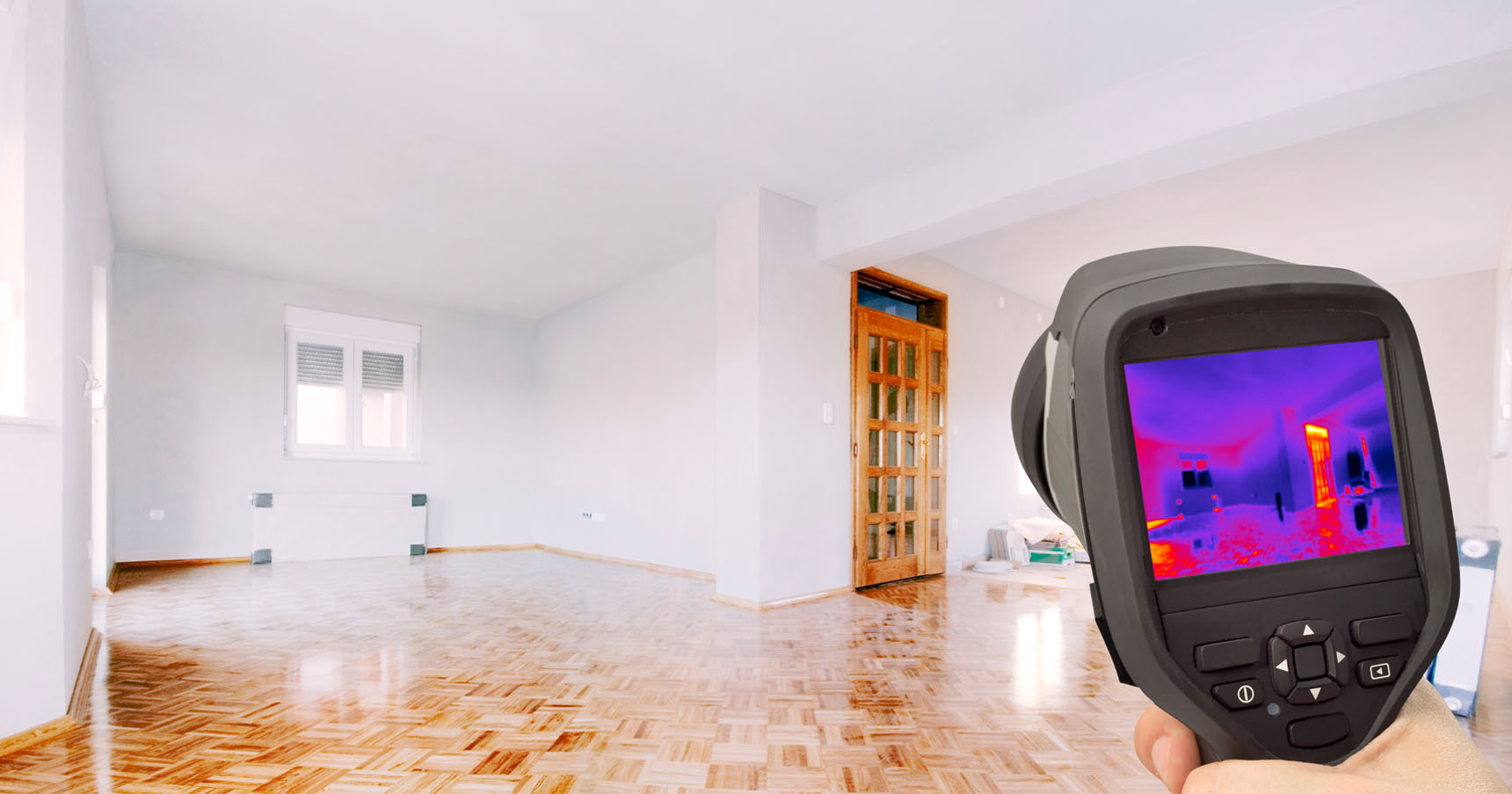
Understanding Thermal Imaging Inspection Challenges in Melbourne Waterfront Homes
Waterfront living in Melbourne offers river views, steady coastal breezes, and the kind of scenery that makes Florida living feel worth it. But homes along the Indian River Lagoon, canal systems, and waterfront neighborhoods deal with a constant hidden pressure: moisture.
Humidity never really takes a season off here. Add salt air, heavy summer storms, hurricane season, and high water tables, and you have a building environment that behaves very differently from inland properties.
Thermal imaging inspections can be extremely helpful in these homes. But in waterfront properties, they also come with specific challenges that homeowners should understand before jumping to conclusions.
Let’s break down how thermal imaging works, why Melbourne waterfront homes complicate readings, and what proper interpretation actually requires.
What Thermal Imaging Inspections Really Detect
A thermal imaging camera reads surface temperature differences. It does not see water directly. It does not detect mold spores. It identifies heat variations.
Moist materials tend to retain temperature differently than dry materials. That variation appears on the camera as color changes — often cooler or darker areas depending on environmental conditions.
In controlled environments, this can strongly suggest hidden moisture behind drywall, under flooring, or in ceilings.
In coastal Florida, however, temperature variation does not always equal moisture intrusion.
Understanding that distinction is critical.
Why Melbourne Waterfront Homes Create Inspection Challenges
Waterfront homes in Melbourne, Palm Bay, Merritt Island, and nearby areas operate under constant environmental stress.
Several factors influence thermal imaging accuracy:
- Persistent high humidity
- Salt-laden air exposure
- Wind-driven rain
- Direct afternoon solar gain
- Elevated groundwater levels
- Concrete block construction
- AC systems running nearly year-round
For example, a west-facing exterior wall exposed to intense sun may show strong temperature contrast compared to shaded areas. That contrast may appear significant on thermal imaging but have nothing to do with a leak.
Similarly, slab-on-grade homes near canals often display cooler flooring zones due to subsurface moisture movement from high water tables. That does not automatically indicate plumbing failure.
Without understanding coastal building behavior, thermal images can easily be misinterpreted.
What Homeowners Typically Notice Before an Inspection
Most waterfront homeowners request inspections because something feels off.
Common observations include:
- A musty odor near sliding glass doors
- Minor ceiling staining after storms
- One room feeling humid despite AC use
- Condensation forming on windows
- Uneven cooling patterns
These symptoms can stem from multiple causes:
- Active water intrusion
- Trapped moisture from previous storms
- Condensation from ductwork
- Poor ventilation
- Elevated indoor humidity
Thermal imaging helps narrow down suspicious areas, but it must be confirmed with additional tools.
Environmental Pressures Unique to Coastal Properties
Melbourne waterfront homes experience moisture exposure from multiple directions.
Salt air gradually weakens exterior sealants and window assemblies. Small breaches allow wind-driven rain to migrate into wall cavities during heavy storms.
High water tables influence slab foundations. Concrete absorbs moisture and releases it slowly over time. That absorption can create subtle temperature differences visible on infrared scans.
Hurricane season adds further complexity. Even homes without flooding can experience:
- Saturated attic insulation
- Roof penetration leaks
- Moisture accumulation behind siding
- Extended periods of high indoor humidity
Thermal imaging may show cooler ceiling or wall sections. Determining whether that indicates active intrusion or simple environmental variation requires experience and verification.
Hidden Moisture Sources in Waterfront Homes
Over years of inspections in Brevard County coastal areas, certain problem zones appear repeatedly:
Sliding glass door assemblies
Salt exposure degrades seals, allowing water intrusion behind drywall.
Window perimeters
Improper flashing or deteriorated caulking creates hidden leaks.
Flat roof transitions
Water can travel laterally before becoming visible inside.
Attic duct systems
High humidity causes condensation on insufficiently insulated ducts.
Block walls
Concrete masonry absorbs moisture gradually and influences temperature readings.
Previous storm repairs
Cosmetic fixes sometimes fail to address underlying waterproofing weaknesses.
Thermal imaging highlights areas of concern, but moisture meters must confirm whether materials are actually wet.
Why DIY Thermal Imaging Often Leads to Confusion
Consumer infrared cameras are more accessible than ever. However, interpreting readings in Florida’s coastal climate requires context.
Common DIY errors include:
- Scanning during peak afternoon heat
- Not stabilizing indoor temperatures
- Misreading framing patterns as leaks
- Ignoring ambient humidity
- Failing to verify with moisture detection tools
Normal airflow patterns and solar heating can create dramatic thermal variations that resemble moisture intrusion.
Without verification, homeowners may either assume serious damage unnecessarily or overlook subtle but legitimate issues.
How Professional Inspections Use Thermal Imaging Correctly
A structured inspection approach reduces false positives and unnecessary repairs.
Professional inspections in Melbourne and surrounding waterfront communities typically include:
Visual exterior assessment
Rooflines, flashing, siding transitions, and seal integrity are evaluated first.
Interior environmental control
AC systems create stable temperature contrast before scanning.
Systematic infrared evaluation
Walls, ceilings, floors, and ducts are examined methodically.
Moisture meter verification
Pin or pinless meters confirm whether materials contain elevated moisture.
Humidity readings
Indoor relative humidity levels are measured.
Attic and crawl space inspection
Condensation and insulation issues are common in waterfront homes.
At Inspections and More FL, thermal imaging serves as a guide — not a standalone conclusion. Verification ensures accurate diagnosis.
If Active Moisture Is Confirmed
When inspection confirms elevated moisture or mold presence, the solution focuses on source correction and proper drying.
Typical corrective steps include:
Identifying the moisture source
Roof leaks, seal failures, plumbing issues, or condensation.
Containment if mold is present
Preventing cross-contamination.
Removal of affected materials
Drywall or insulation replacement when necessary.
Air scrubbing
Maintaining indoor air quality.
Structural drying and dehumidification
Ensuring framing components are fully dry.
Sealing and waterproofing improvements
Addressing vulnerabilities common in coastal homes.
Ventilation adjustments
Improving airflow in attics or enclosed spaces.
In waterfront environments, correcting the root cause is essential for long-term prevention.
Why Moisture Issues Persist Near the Water
Waterfront homes face environmental exposure year-round.
Humidity levels remain elevated. Salt air accelerates material wear. Storm cycles repeatedly test building envelopes.
Even well-maintained homes benefit from periodic inspections, particularly after hurricane season.
Proactive evaluation reduces the risk of hidden structural damage.
Preventative Steps for Melbourne Waterfront Homes
Homeowners can reduce moisture risks by:
- Inspecting window and door seals annually
- Servicing AC systems before peak summer
- Maintaining indoor humidity between 45–55 percent
- Using dehumidifiers in high-moisture areas
- Inspecting roof and flashing after major storms
- Checking attic ventilation and insulation
- Monitoring dock-facing walls and sliding doors
Small maintenance efforts significantly reduce long-term repair needs.
Why Local Coastal Experience Matters
Thermal imaging interpretation depends heavily on environmental understanding.
Knowledge of:
- Brevard County block construction
- Slab-on-grade moisture behavior
- Coastal wind and rain patterns
- Salt corrosion effects
- Florida AC performance in humid climates
…makes the difference between accurate assessment and unnecessary demolition.
Experience in Melbourne, Palm Bay, Merritt Island, Cocoa, and Sanford provides insight that generic inspection approaches often miss.
At Inspections and More FL, inspections reflect firsthand familiarity with Florida’s coastal construction realities.
A Practical Next Step for Waterfront Homeowners
If your Melbourne waterfront home shows signs of musty odors, humidity imbalance, staining, or unusual temperature shifts, a structured inspection can provide clarity.
Thermal imaging is a valuable tool when used properly and confirmed with moisture verification.
Sometimes findings reflect normal coastal environmental variation. Other times they reveal early-stage moisture intrusion that can be corrected before more extensive repairs become necessary.
Waterfront living offers tremendous benefits — but it demands attentive maintenance and informed decision-making.
