
Why Mold Remediation Becomes Necessary in Melbourne in Rental Properties
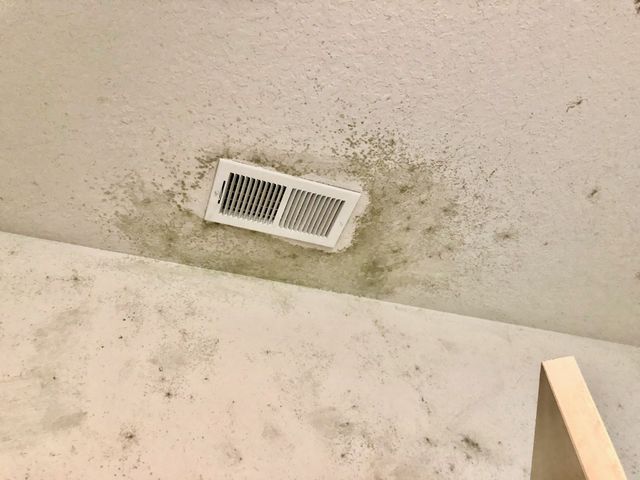
Rental properties in Melbourne face a unique set of challenges. Between Florida’s year-round humidity, heavy rain cycles, coastal air exposure, and constant occupancy turnover, moisture issues tend to surface more often in rental homes than in owner-occupied properties.
In many cases, mold remediation becomes necessary not because anyone neglected the home, but because environmental conditions in Brevard County create ongoing moisture pressure. When humidity stays high and ventilation falls short, mold can develop quietly and spread before anyone notices.
For landlords and property managers in Melbourne, understanding why mold remediation becomes necessary — and how to prevent recurring problems — protects both the property and long-term rental value.
What Mold Remediation Actually Means in a Rental Setting
Mold remediation is not simply cleaning a visible stain on drywall.
In rental properties, remediation involves:
- Identifying the source of moisture
- Containing affected areas
- Removing contaminated porous materials
- Cleaning structural components properly
- Addressing air circulation and humidity levels
- Preventing cross-contamination between units or rooms
In Melbourne’s humid environment, mold problems often extend beyond what tenants can see. Surface cleaning rarely resolves the full issue.
Why Rental Properties in Melbourne Are More Vulnerable
Melbourne’s coastal climate creates consistent moisture exposure. Add multiple tenants, varied living habits, and limited routine inspections, and the risk increases.
Several local factors contribute.
Persistent Coastal Humidity
Melbourne experiences high humidity year-round. During storm season, relative humidity frequently rises above 80%. Even inland parts of the city remain damp for extended periods after rainfall.
When indoor humidity exceeds 60%, mold spores can activate and grow on organic surfaces like drywall, wood, insulation, and carpeting.
Rental properties often lack constant humidity monitoring, so elevated levels go unnoticed.
AC Systems Under Strain
In Florida rentals, air conditioning systems run nearly nonstop. When AC units:
- Develop clogged condensate drains
- Have poorly insulated ductwork
- Lack regular maintenance
Moisture accumulates inside air handlers and duct systems. That condensation creates hidden mold growth inside HVAC components, which then circulates spores throughout the property.
Tenant Lifestyle Differences
Rental units experience different moisture patterns depending on occupants.
Common moisture contributors include:
- Running showers without exhaust fans
- Drying clothes indoors
- Blocking air vents with furniture
- Keeping windows open during humid weather
- Delaying reporting of small leaks
Even responsible tenants may not recognize early warning signs.
Delayed Leak Detection
In owner-occupied homes, small roof leaks or plumbing drips are often addressed quickly. In rental settings, minor leaks sometimes go unreported until visible damage appears.
In Melbourne’s climate, even a small, slow leak can cause significant mold growth within weeks.
Common Signs That Remediation Is Necessary
In Melbourne rental properties, mold problems often surface between tenants or during maintenance inspections.
Property owners frequently notice:
- Musty odors when entering vacant units
- Dark staining along baseboards
- Peeling paint near windows
- Warped laminate flooring
- Discoloration under sinks
- Visible spotting inside closets
- Increased indoor humidity readings
Sometimes tenants report allergy-like symptoms or persistent damp air. By the time odors become noticeable, mold may already exist behind walls or beneath flooring.
When mold spreads beyond a small isolated surface, remediation becomes necessary rather than simple cleaning.
Hidden Areas Where Mold Commonly Develops in Rentals
Rental properties often hide moisture issues in overlooked spaces.
Behind Bathroom Walls
Repeated shower steam without proper ventilation saturates drywall behind tile and paint.
Under Kitchen and Bathroom Cabinets
Small plumbing drips under sinks go unnoticed for months. Cabinet bases absorb moisture, allowing mold to spread beneath flooring.
Inside HVAC Systems
Air handlers located in closets or utility rooms in Melbourne rentals often accumulate condensation.
Under Flooring
Laminate and vinyl flooring can trap moisture beneath the surface. Subfloors absorb humidity, creating hidden mold growth.
Attics
Roof leaks during heavy rainstorms may dampen insulation in attic spaces. Without routine inspections, mold develops unnoticed above living areas.
Why DIY Cleaning Rarely Solves the Issue
Landlords sometimes attempt to wipe visible areas with bleach or surface cleaners before re-renting a unit.
However:
- Bleach does not penetrate porous materials effectively.
- Surface cleaning does not remove embedded spores.
- Moisture sources remain active.
- Disturbing mold without containment spreads spores.
In rental properties with shared ventilation systems, improper cleaning can circulate contamination throughout the unit.
Once mold extends into drywall, insulation, or HVAC systems, remediation becomes the responsible solution.
When Mold Remediation Is Clearly Required
In Melbourne rental properties, remediation is typically necessary when:
- Mold covers more than a small isolated area
- Growth appears inside walls or ceilings
- Mold returns after cleaning
- Odors persist despite ventilation
- HVAC contamination is confirmed
- Water damage remained untreated for days or weeks
At that stage, professional containment and removal protect both future tenants and the structure itself.
What Professional Mold Remediation Involves
A structured remediation process ensures safe and thorough correction.
1. Comprehensive Inspection
Technicians assess:
- Indoor humidity levels
- Moisture readings in walls and floors
- Plumbing and roof integrity
- HVAC system condition
- Attic and crawl space humidity
Thermal imaging often reveals hidden damp zones inside walls.
2. Containment
Affected areas are isolated with containment barriers to prevent spores from spreading to unaffected rooms.
Negative air pressure and air scrubbers filter airborne particles during removal.
3. Removal of Contaminated Materials
Porous materials that cannot be salvaged — such as drywall or insulation — are carefully removed.
4. Cleaning and Surface Treatment
Remaining structural components are:
- HEPA vacuumed
- Professionally cleaned
- Treated with appropriate antimicrobial solutions
- Dried to safe moisture levels
5. Dehumidification and Airflow Stabilization
Industrial dehumidifiers and air movers stabilize indoor humidity.
6. Source Correction
Addressing the moisture source is critical in rental properties. That may include:
- Repairing plumbing leaks
- Improving bathroom ventilation
- Servicing AC systems
- Sealing window frames
- Enhancing attic airflow
Companies like Inspections and More FL emphasize source correction because remediation without prevention leads to recurring problems.
Why Local Melbourne Experience Matters
Florida’s coastal humidity behaves differently than moisture in other climates.
Melbourne rental properties face:
- Storm-driven rain intrusion
- Salt air material degradation
- High groundwater levels
- Long humid seasons
- Rapid mold growth in warm conditions
Local experience means understanding how slab foundations retain moisture, how older construction handles ventilation, and how AC systems perform during peak humidity.
Professionals familiar with Melbourne conditions diagnose faster and implement more effective long-term solutions.
Preventing Mold in Rental Properties Moving Forward
While remediation becomes necessary in some cases, prevention reduces risk dramatically.
Property owners and managers in Melbourne should:
- Schedule annual HVAC maintenance
- Clean condensate drain lines regularly
- Inspect roofs before storm season
- Improve bathroom exhaust ventilation
- Monitor indoor humidity levels
- Inspect vacant units promptly between tenants
- Address leaks immediately
Routine moisture evaluations help catch early signs before mold spreads.
A Practical Approach for Melbourne Property Owners
Mold remediation becomes necessary in rental properties when Florida’s humidity, tenant turnover, and hidden moisture combine over time. It’s rarely caused by one dramatic event. More often, it’s the result of ongoing environmental exposure.
Addressing mold properly protects the structure, preserves rental value, and creates a safer indoor environment for future occupants.
If a Melbourne rental property shows signs of recurring humidity or hidden moisture, a professional evaluation provides clarity and direction. With proper containment, removal, and moisture control, rental properties can remain stable and resilient — even in Florida’s demanding coastal climate.
