Palm Bay Homes Dealing With Structural Dryouts Following Hurricane Damage — How Professionals Approach the Issue
When a hurricane moves through Palm Bay, the visible cleanup usually starts immediately — tarps go on roofs, water is mopped up, debris gets cleared. But what happens inside the structure after the storm is just as important as what happens outside.
Structural dryouts are one of the most critical steps following hurricane damage in Palm Bay homes. This isn’t about surface drying. It’s about removing moisture from framing, subfloors, wall cavities, and slab edges before long-term damage sets in.
In a coastal Florida climate where humidity stays high and groundwater levels rise after heavy rain, drying must be controlled, strategic, and monitored.
Here’s how professionals approach structural dryouts in Palm Bay after hurricane events.
Why Hurricane Damage in Palm Bay Requires Structural Drying
Palm Bay sits in a high-moisture coastal zone. After a hurricane, homes often experience:
- Wind-driven rain through roof systems
- Water intrusion around windows and doors
- Saturated exterior walls
- Floodwater pooling near slab foundations
- Elevated groundwater levels
Even if standing water is removed quickly, structural materials absorb moisture.
Drywall, insulation, framing, and subfloors can hold water long after surfaces look dry.
In Florida heat, that trapped moisture becomes a problem quickly.
Step 1: Stop the Source Before Drying Begins
Before installing drying equipment, professionals ensure:
- Roof leaks are temporarily sealed
- Broken windows are secured
- Plumbing lines are intact
- Electrical systems are safe
- Standing water is removed
Structural dryouts cannot succeed if water is still entering the home.
In Palm Bay hurricane scenarios, roof and exterior sealing is often the first emergency step.
Step 2: Full Moisture Assessment and Mapping
Drying begins with measurement — not guesswork.
Professionals use:
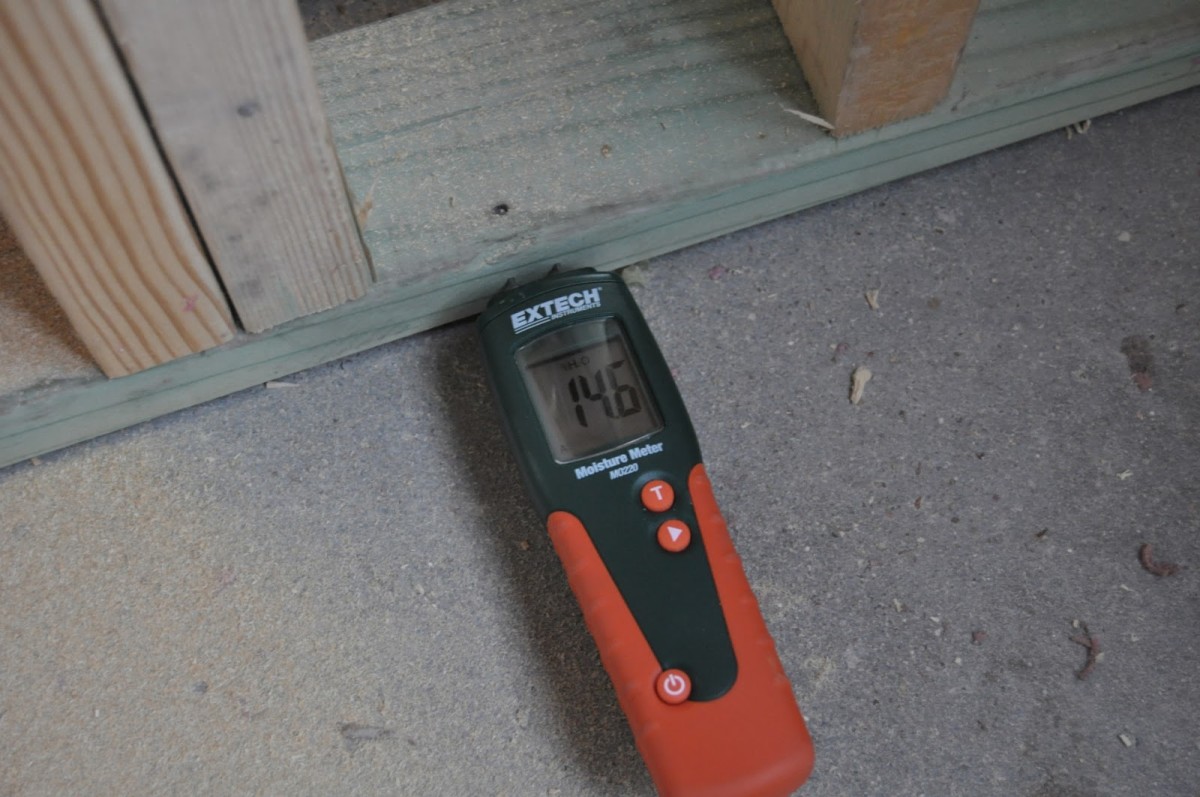
- Moisture meters to measure wood and drywall
- Thermal imaging to locate hidden damp areas
- Hygrometers to check indoor humidity
- Subfloor and slab edge testing
This step identifies:
- How far moisture traveled
- Which materials are saturated
- Whether wall cavities are affected
- If attic insulation is damp
Palm Bay slab homes often show elevated moisture along perimeter walls after heavy storm events.
Step 3: Determine the Drying Strategy
Structural dryouts are customized based on damage patterns.
Drying plans may include:
- Open-air drying
- Targeted wall cavity drying
- Subfloor airflow systems
- Crawl space drying
- Attic drying
Professionals evaluate whether drywall needs partial removal to allow airflow behind walls.
The goal is to dry structural components — not just cosmetic surfaces.
Step 4: Install Air Movers Strategically
High-velocity air movers (air blowers) are placed along:
- Wall bases
- Slab edges
- Flooring seams
- Exterior-facing walls
Airflow increases evaporation by disrupting the layer of humid air sitting on damp materials.
In Palm Bay’s humid environment, air movement must be continuous and directional.
Random fan placement is ineffective. Equipment positioning is deliberate.
Step 5: Pair Airflow With Industrial Dehumidification
Air movers release moisture from materials into the air. Dehumidifiers remove that moisture from the air.
This combination:
- Accelerates evaporation
- Reduces indoor relative humidity
- Prevents moisture from reabsorbing into materials
- Speeds up drying timelines
Because Palm Bay’s outdoor humidity remains high after hurricanes, dehumidifiers are essential.
Without them, humid air would simply circulate.
Step 6: Address Hidden Moisture Zones
Hurricane damage often creates concealed damp pockets.
Professionals may:
- Remove baseboards
- Drill small access holes for wall cavity airflow
- Lift sections of flooring
- Dry beneath cabinets
- Inspect crawl spaces or attic framing
This prevents moisture from becoming trapped behind sealed surfaces.
Homes near Palm Bay’s waterways are especially prone to perimeter wall saturation.
Step 7: Monitor Daily and Adjust Equipment
Structural dryouts are not “set and forget.”
Professionals return daily to:
- Re-check moisture readings
- Measure humidity levels
- Confirm drying progress
- Adjust equipment placement
If readings stall, additional airflow or dehumidification may be required.
Thermal imaging may be used again to confirm hidden damp areas have resolved.
Companies experienced in Brevard County, such as Inspections and More FL, understand how Palm Bay’s coastal humidity affects drying timelines.
Step 8: Verify Dry Standard Before Repairs Begin
One of the most important steps is confirming dryness before reconstruction.
Professionals ensure:
- Wood framing moisture content is within safe range
- Drywall readings are stabilized
- Subfloors are dry
- Humidity levels are controlled
Rebuilding too soon traps moisture inside walls or under flooring.
In Florida’s climate, that often leads to recurring mold issues.
Verification prevents repeat damage.
Cost Factors Palm Bay Homeowners Should Understand
Structural dryout costs depend on:
- Size of the affected area
- Extent of saturation
- Accessibility (attics, crawl spaces)
- Duration of drying
- Equipment required
The most expensive repairs typically occur when drying is delayed.
Early, professional structural drying reduces long-term repair expenses significantly.
Long-Term Protection Strategies After Hurricane Dryouts
Once the structure is dry, prevention becomes the priority.
Palm Bay homeowners can reduce recurrence by:
- Inspecting roofs annually
- Monitoring indoor humidity (45–55% ideal range)
- Servicing HVAC systems regularly
- Improving attic ventilation
- Checking slab edges after heavy storms
- Ensuring proper grading around foundations
Homes in nearby Melbourne and Merritt Island face similar storm exposure, but Palm Bay’s combination of slab construction and lagoon-influenced humidity makes proactive moisture management especially important.
Why Local Coastal Experience Matters
Structural drying in Palm Bay differs from drying in drier climates.
Professionals familiar with the area understand:
- Storm-driven intrusion patterns
- Hydrostatic pressure beneath slabs
- Salt air’s impact on building materials
- Evaporation delays caused by humidity
- How quickly microbial growth begins in warm conditions
Experience ensures drying plans are realistic and effective.
Without local knowledge, moisture may be underestimated or overlooked.
A Practical Perspective for Palm Bay Homeowners
Structural dryouts following hurricane damage in Palm Bay are about protecting what you can’t see.
Proper drying:
- Preserves framing
- Stabilizes flooring
- Reduces mold risk
- Protects indoor air quality
- Prevents long-term structural damage
In Florida’s coastal climate, moisture management after hurricanes is not optional — it’s essential.
With accurate detection, controlled airflow, industrial dehumidification, and professional monitoring, Palm Bay homes can recover safely and remain structurally stable long after the storm has passed.