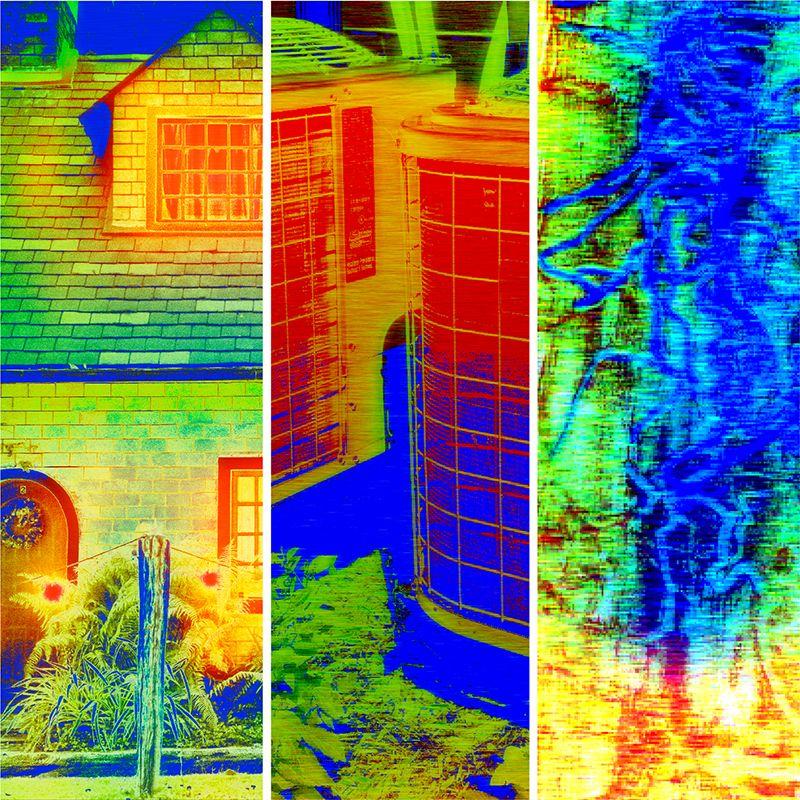
Sanford Homes Dealing With Thermal Imaging Inspections Inside Commercial Buildings — Why Quick Action Matters
Sanford may sit inland compared to Cocoa or Melbourne, but that doesn’t mean moisture problems are less common. Between heavy rain cycles, humid summers, older construction styles, and long HVAC run times, both residential and commercial buildings in Sanford face ongoing moisture pressure.
When moisture is suspected — whether in a large commercial space or a mixed-use residential property — thermal imaging inspections often become one of the first critical steps. The reason quick action matters is simple: moisture spreads quietly, and delays allow structural damage and mold growth to expand beyond the original source.
In Florida’s warm, humid climate, time is not neutral. It works against you.
Why Thermal Imaging Is So Important in Sanford Properties
Moisture rarely stays where it starts.
A roof leak in a commercial building can travel down framing into office walls. A plumbing issue in a multi-use structure can spread laterally beneath flooring. A condensation problem in an HVAC system can dampen ceiling cavities before stains appear.
Thermal imaging helps identify hidden moisture by detecting subtle temperature differences within building materials. Damp materials often appear cooler due to evaporative cooling.
Without opening walls or tearing out ceilings, professionals can map the likely spread of moisture.
That mapping is what makes early intervention possible.
Why Quick Action Matters in Florida’s Climate
Sanford experiences long periods of elevated humidity and warm temperatures — ideal conditions for microbial growth when moisture lingers.
When moisture remains inside structural materials:
- Mold can begin developing within 24–48 hours
- Insulation loses effectiveness
- Drywall softens and weakens
- Wood framing absorbs moisture
- Indoor air quality declines
Waiting for visible damage is one of the most common and costly mistakes.
Thermal imaging allows professionals to act before visible symptoms escalate.
Common Situations That Require Fast Thermal Imaging
In Sanford, quick thermal inspections are often necessary after:
- Heavy rainstorms
- Roof leaks
- Plumbing failures
- HVAC condensation problems
- Flooding or minor water intrusion
- Tenant complaints of musty odors
- Uneven humidity in specific areas
In commercial environments especially, moisture can spread unnoticed behind drop ceilings or inside partition walls.
Early imaging prevents widespread remediation later.
The Challenge of Mixed-Use and Commercial Structures
Sanford has a mix of older downtown commercial buildings, light industrial properties, and residential structures that may share similar moisture risks.
In commercial buildings:
- Large roof surfaces increase leak risk
- Flat or low-slope roofs may hold water
- Extensive ductwork spreads humidity
- Drop ceilings conceal moisture
- Continuous occupancy complicates repairs
Thermal imaging allows evaluation without major disruption to business operations.
Quick action helps avoid shutting down larger sections of a building later.
How Thermal Imaging Works in Real-World Conditions
Thermal imaging cameras detect infrared radiation — essentially heat signatures.
Moisture affects how materials absorb and release heat. Damp areas often display temperature differences compared to surrounding dry materials.
However, thermal imaging is only effective when:
- Interpreted by trained professionals
- Confirmed with moisture meters
- Evaluated alongside environmental conditions
It’s not just about seeing a “cool spot.” It’s about understanding why that pattern exists.
Companies such as Inspections and More FL combine thermal imaging with moisture testing to confirm findings before recommending drying or remediation.
Why Delays Increase Costs
In Sanford’s humid climate, moisture rarely resolves naturally.
If inspections are delayed:
- Damp drywall may require full replacement
- Flooring systems can fail
- Mold remediation may become necessary
- Structural framing may deteriorate
- Tenants or occupants may be displaced
What begins as a localized damp spot can spread through capillary action and vapor movement into adjacent rooms.
Thermal imaging provides clarity early — before demolition becomes extensive.
Lessons Learned From Local Cases
Repeated inspection patterns show:
Small Leaks Spread Wide
Water rarely travels straight down. It often moves laterally behind walls and along framing.
Slab Moisture Is Overlooked
In slab foundation buildings, vapor transmission can compound roof or plumbing moisture.
HVAC Systems Amplify Spread
Air circulation may move humid air into new areas.
Surface Dryness Is Misleading
Ceilings and walls may feel dry while internal materials remain damp.
Quick imaging prevents assumptions from guiding repairs.
The Role of Structural Drying After Imaging
Once moisture is identified, controlled drying becomes the next step.
Professional drying may involve:
- High-capacity dehumidifiers
- Air movers
- Removal of saturated insulation
- Containment if mold is suspected
- Continuous moisture monitoring
Thermal imaging helps confirm when materials have returned to safe moisture levels before reconstruction.
Protecting Sanford Properties Long-Term
To reduce risk after a moisture event:
- Schedule thermal imaging promptly
- Inspect roofs annually
- Maintain HVAC condensate systems
- Monitor indoor humidity
- Address minor leaks immediately
- Conduct post-storm evaluations
Proactive inspections prevent recurring cycles.
Why Local Experience Matters
Moisture behavior in Sanford differs from purely coastal environments, but humidity remains a major factor.
Professionals familiar with Sanford, Cocoa, Melbourne, Palm Bay, and Merritt Island understand:
- Florida humidity patterns
- Slab vapor behavior
- Storm-driven infiltration
- Older construction vulnerabilities
Local expertise ensures imaging results are interpreted accurately within Florida’s environmental conditions.
Inspections and More FL works within these regional dynamics, focusing on early detection before recommending structural interventions.
A Practical Next Step
If your Sanford property — residential or commercial — has experienced heavy rain, roof issues, plumbing leaks, or unexplained humidity changes, don’t wait for visible damage.
Thermal imaging inspections provide fast, non-invasive insight into hidden moisture conditions.
In Florida’s warm, humid climate, quick action protects structural materials, prevents mold growth, and reduces long-term repair costs.
Moisture may spread quietly — but with prompt thermal evaluation, it doesn’t have to spread far.