Understanding Air Blower Installation Challenges in Melbourne in Coastal Properties
Living in Melbourne has its advantages — ocean breezes, coastal views, and year-round warmth. But those same coastal conditions create ongoing moisture challenges inside homes.
In many Melbourne properties, especially near the coast or along the Indian River Lagoon, excess humidity builds up in attics, wall cavities, and even inside slab foundations. When passive ventilation isn’t enough, air blower systems become part of the solution.
Air blower installation sounds straightforward — move air, reduce moisture. But in coastal properties, the process is more technical than it appears. Understanding the challenges helps homeowners make informed decisions and avoid unintended moisture problems.
What the Issue Really Is
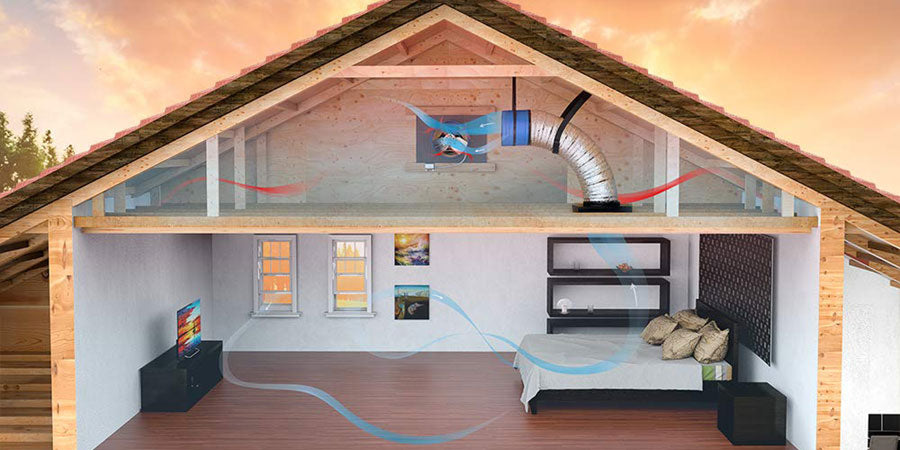
Air blowers are mechanical ventilation devices designed to improve airflow and help control moisture. They may be installed in:
- Attics
- Crawl spaces
- Wall cavities
- Under flooring systems
- HVAC support systems
Their purpose is to promote air circulation, assist drying, and reduce humidity buildup.
In Melbourne coastal homes, however, airflow must be managed carefully. Moving air without controlling humidity can actually increase moisture problems rather than solve them.
That’s where the challenge lies.
Why Coastal Melbourne Homes Face Unique Challenges
Melbourne’s environment is shaped by:
- High humidity levels year-round
- Salt-laden coastal air
- Frequent storm systems
- Warm temperatures
- Elevated groundwater levels
When installing air blowers in coastal properties, several factors complicate the process.
High Outdoor Humidity
Bringing in outside air without proper filtration or humidity control can introduce more moisture than it removes.
Salt Air Corrosion
Metal components, wiring, and blower housings are more susceptible to corrosion in coastal areas.
Attic Heat Accumulation
Attics in Melbourne often reach extreme temperatures. Improper blower installation can draw superheated air into living spaces.
Slab Foundation Behavior
Many Melbourne homes are slab-based. Air movement near slab edges must be managed carefully to avoid drawing moisture upward.
Tight Building Envelopes
Modern energy-efficient homes are tightly sealed. Adding airflow systems without balancing pressure can disrupt HVAC performance.
These environmental factors make blower installation more technical in Melbourne than in inland, dry regions.
Common Signs That Airflow Solutions Are Needed
Homeowners in Melbourne often consider air blowers after noticing:
- Persistent attic humidity
- Mold growth in attic sheathing
- Musty odors after storms
- Slow drying after plumbing leaks
- Hot upstairs rooms
- Condensation around ceiling vents
In many cases, these signs indicate poor ventilation or trapped humidity.
However, simply adding airflow without evaluating moisture levels can create unintended pressure imbalances.
Hidden or Overlooked Installation Challenges
Air blower installation in coastal properties requires attention to several often-overlooked details.
Pressure Imbalance
Improperly installed blowers can create negative pressure inside the home, pulling humid outdoor air through cracks and gaps.
Duct Leakage
If ducts are not sealed properly, blowers may circulate attic air rather than conditioned indoor air.
Improper Placement
Blower units must be strategically positioned to promote directional airflow rather than random circulation.
Electrical Vulnerability
Coastal humidity increases electrical component wear. Installations must account for corrosion resistance.
Inadequate Humidity Monitoring
Without humidity sensors, blower systems may operate at times when outdoor moisture is too high.
In Melbourne’s climate, airflow systems must work with dehumidification — not against it.
Why DIY Air Blower Installations Often Fall Short
Installing attic fans or air movers without professional assessment can lead to:
- Higher indoor humidity
- Increased energy bills
- AC system strain
- Moisture intrusion from soffits
- Reduced insulation efficiency
Many homeowners assume that “more airflow” automatically equals “less moisture.” In Florida’s coastal environment, the opposite can occur if the incoming air is already saturated.
Effective installation requires data — including humidity readings, airflow calculations, and pressure balance analysis.
Professional Inspection & Detection Explained
Before installing air blowers in a Melbourne coastal property, a structured evaluation is critical.
A thorough assessment typically includes:
Visual Inspection
Checking attic ventilation pathways, soffits, ridge vents, and insulation condition.
Moisture Meter Testing
Measuring dampness in wood framing or sheathing.
Thermal Imaging
Detecting hidden hot spots or moisture pockets.
Hygrometer Readings
Monitoring indoor and attic humidity levels.
HVAC System Review
Ensuring the blower will not interfere with return air balance.
Inspections and More FL often evaluates airflow patterns before recommending installation, especially in coastal properties where pressure balance is delicate.
Proper planning prevents unintended consequences.
The Science Behind Effective Air Blower Installation
Air movement influences evaporation and temperature regulation.
The science revolves around three main factors:
Air Exchange Rate
Measured in cubic feet per minute (CFM), this determines how quickly air is replaced or circulated.
Pressure Balance
Maintaining neutral pressure prevents outside humid air from infiltrating the home.
Dew Point Awareness
Understanding dew point helps prevent condensation when moving air between spaces.
In Melbourne, dew point levels often remain high during summer months. If air blowers pull in humid air when dew points are elevated, condensation can occur inside cooler surfaces.
This is why timed operation and humidity-controlled systems are often recommended.
Proper Air Blower Installation Process
When air blower systems are installed correctly in coastal homes, the process typically includes:
Moisture Assessment
Confirming that ventilation — not dehumidification — is the appropriate solution.
Placement Planning
Selecting optimal locations to promote directional airflow.
Corrosion-Resistant Components
Using coastal-grade materials where possible.
Sealed Duct Connections
Preventing humid attic air infiltration.
Humidity-Controlled Activation
Installing controls that prevent operation during high outdoor moisture periods.
Post-Installation Testing
Measuring airflow and pressure balance to ensure proper function.
In some cases, air blowers are combined with dehumidification systems to stabilize humidity levels.
Airflow alone is rarely the full solution in Melbourne’s coastal climate.
Cost Factors in Coastal Air Blower Installation
Installation costs vary depending on:
- Size of attic or space
- Type of blower system
- Electrical upgrades required
- Ventilation modifications
- Humidity control integration
- Corrosion-resistant component use
Coastal installations may cost more than inland setups due to environmental demands and material durability requirements.
However, properly installed systems can reduce long-term moisture damage and extend roofing and insulation lifespan.
Preventing Moisture Problems in Coastal Homes
Beyond blower installation, Melbourne homeowners can reduce humidity-related risks by:
- Monitoring attic humidity regularly
- Inspecting soffit and ridge vents
- Sealing duct leaks
- Using whole-home dehumidifiers
- Cleaning HVAC condensate lines
- Scheduling annual attic inspections
Homes in Cocoa, Merritt Island, Palm Bay, and Sanford face similar humidity dynamics, though coastal properties often experience higher salt exposure and wind-driven moisture.
Routine evaluation helps determine whether ventilation improvements are necessary.
Why Local Florida Experience Matters
Air movement strategies that work in dry climates do not always work in coastal Florida.
Melbourne’s:
- Salt air exposure
- High dew points
- Frequent storms
- Elevated humidity
- Coastal wind patterns
… create airflow conditions that must be managed carefully.
Professionals familiar with Central Florida construction and environmental patterns understand how ventilation interacts with insulation, slab foundations, and HVAC systems.
Inspections and More FL approaches air blower installation in coastal homes with this localized awareness, ensuring airflow improves moisture control rather than complicating it.
A Calm, Practical Next Step
If your Melbourne coastal property struggles with attic humidity, musty odors, or heat buildup, evaluating airflow systems may be appropriate.
However, installation should follow inspection — not assumption.
Air blowers can be highly effective when integrated properly with humidity monitoring and pressure balance controls.
In Florida’s coastal environment, the goal isn’t simply to move air.
It’s to move it intelligently.