Structural Dryouts in Cocoa After Plumbing Leaks: The Science Behind the Solution
Plumbing leaks in Cocoa homes rarely announce themselves loudly. Sometimes it’s a slow drip behind a wall. Other times it’s a supply line failure under a sink or a pipe crack inside a slab. The water may be cleaned up quickly, but what many homeowners don’t realize is this:
Surface drying is not structural drying.
In Cocoa — and nearby areas like Merritt Island, Melbourne, Palm Bay, and even Sanford — high humidity and warm temperatures accelerate hidden moisture damage. When plumbing leaks saturate building materials, structural dryouts become necessary to prevent long-term issues like warping, material breakdown, and mold growth.
Understanding the science behind structural dryouts helps explain why this process is far more technical than simply running a few fans.
What the Issue Really Is
When a plumbing leak occurs, water doesn’t just pool on the floor. It spreads. It wicks into drywall. It soaks insulation. It seeps into subflooring. In slab foundation homes, it can migrate laterally along concrete and rise into wall cavities.
Water follows the path of least resistance.
In Cocoa’s humid climate, that trapped moisture doesn’t evaporate quickly. Instead, it remains inside materials — sometimes for weeks — unless actively removed.
This is where structural drying becomes critical.
Structural dryouts focus on removing moisture from:
- Framing lumber
- Subflooring
- Drywall cavities
- Insulation
- Concrete slabs
- Wall plates
Without proper drying, materials weaken, adhesives fail, and mold can begin forming within 24–48 hours in Florida conditions.
Why This Happens So Often in Cocoa
Cocoa’s environment makes post-leak drying more complicated than in drier regions.
High Humidity
Outdoor humidity levels often exceed 70–90%. That slows evaporation inside the home.
Warm Temperatures
Heat accelerates microbial growth when moisture is present.
Coastal Air Exposure
Salt-laden air contributes to corrosion of plumbing components and can worsen moisture-related material breakdown.
Slab Foundations
Many Cocoa homes are built on slabs. Water that seeps beneath flooring can spread across the slab before rising into walls.
Storm and Rain Overlap
Plumbing leaks during rainy periods compound existing humidity challenges.
In these conditions, passive drying simply isn’t enough.
Common Signs Property Owners Notice
After a plumbing leak, Cocoa homeowners may notice:
- Soft or spongy drywall
- Warped baseboards
- Buckled flooring
- Peeling paint
- Persistent damp smell
- AC running more frequently
- Slight humidity increase indoors
Even when surfaces appear dry, internal moisture may remain.
This is one of the biggest misconceptions — visible dryness does not equal structural dryness.
Hidden or Overlooked Moisture Zones
Plumbing leaks often affect areas that are not immediately visible.
Common hidden zones include:
- Behind kitchen and bathroom cabinets
- Inside wall insulation
- Beneath tile or laminate flooring
- Under bathroom vanities
- Within ceiling cavities (for upstairs leaks)
- Around slab edges
In Cocoa homes near the coast or lagoon areas, groundwater saturation can compound slab moisture levels after leaks.
If these areas are not thoroughly dried, they become long-term problem zones.
Why DIY Drying Usually Falls Short
It’s common for homeowners to place box fans near wet areas or run household dehumidifiers.
While these steps may help slightly, they rarely solve the deeper problem.
Here’s why:
Limited Airflow Direction
Fans move surface air but don’t force air into wall cavities.
Low Moisture Extraction Capacity
Residential dehumidifiers are not designed for structural saturation.
No Moisture Measurement
Without meters, there’s no way to confirm materials have reached safe moisture levels.
Insufficient Negative Pressure
Without controlled airflow, moisture lingers in enclosed spaces.
Structural drying requires monitoring, measurement, and calibrated equipment.
Professional Inspection & Detection Explained
Before a structural dryout begins, a detailed assessment is performed.
In Cocoa properties, this typically includes:
Visual Inspection
Identifying visible damage and leak origin.
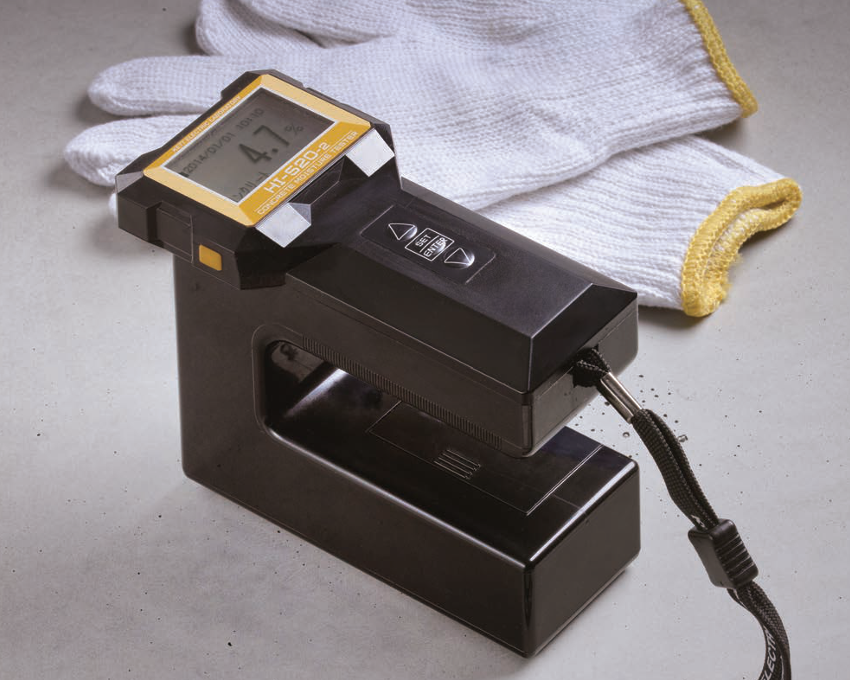
Moisture Meter Testing
Measuring moisture content in drywall, framing, and flooring.
Thermal Imaging
Detecting hidden damp areas behind walls and ceilings.
Hygrometer Readings
Monitoring indoor humidity levels.
Slab Testing
Assessing concrete moisture levels if needed.
Inspections and More FL often identifies secondary moisture zones that homeowners were unaware of — especially along slab edges or inside cabinetry.
Drying plans are built based on these readings, not assumptions.
The Science Behind Structural Dryouts
Structural drying is based on psychrometry — the science of air, moisture, and temperature relationships.
The process involves manipulating three key factors:
1. Air Movement
High-powered air movers create directional airflow across wet surfaces, increasing evaporation rates.
2. Dehumidification
Industrial dehumidifiers remove moisture from the air, preventing it from reabsorbing into materials.
3. Temperature Control
Warm air holds more moisture, so controlled heat can accelerate drying when balanced correctly.
When air moves across a damp surface, moisture evaporates into the air. Dehumidifiers then extract that moisture, lowering ambient humidity and allowing more evaporation to occur.
This cycle continues until materials reach safe moisture equilibrium.
In Cocoa’s humid climate, this controlled process is essential. Without dehumidification, evaporation simply increases indoor humidity without solving the issue.
Proper Structural Dryout Process
A typical structural dryout in Cocoa includes:
Source Correction
The plumbing leak must be repaired first.
Water Extraction
Standing water is removed immediately.
Containment
If necessary, affected areas are isolated.
Strategic Air Mover Placement
Airflow is directed across wet materials and into cavities.
Industrial Dehumidifier Setup
Units operate continuously to reduce humidity.
Cavity Drying Systems
In some cases, small holes are drilled to allow targeted airflow inside walls.
Daily Monitoring
Moisture readings are taken regularly to track progress.
Equipment Adjustment
Airflow and dehumidifier placement are adjusted based on data.
Final Verification
Materials are tested to confirm dryness.
This is not guesswork. It’s data-driven drying.
Cost Factors in Structural Dryouts
Several variables affect drying costs in Cocoa homes:
- Size of affected area
- Type of materials saturated
- Duration of leak before discovery
- Accessibility of moisture zones
- Number of equipment units required
- Length of drying time
- Need for material removal
The longer moisture remains, the more extensive the dryout process becomes.
Early detection reduces overall cost significantly.
Preventing Future Plumbing-Related Moisture Issues
Prevention focuses on both plumbing maintenance and moisture monitoring.
Cocoa homeowners can:
- Inspect supply lines annually
- Replace aging shut-off valves
- Monitor water pressure levels
- Install leak detection systems
- Check cabinets and slab edges periodically
- Maintain proper indoor humidity levels
- Schedule post-leak moisture evaluations
Homes in Merritt Island, Melbourne, Palm Bay, and Sanford face similar drying challenges after plumbing failures, especially during humid seasons.
Routine inspection prevents hidden saturation from turning into mold remediation projects later.
Why Local Florida Experience Matters
Drying structures in Cocoa requires understanding:
- Coastal humidity patterns
- Slab foundation behavior
- HVAC moisture interaction
- Seasonal rainfall cycles
Professionals familiar with Central Florida conditions recognize how quickly materials absorb moisture and how slowly they dry without intervention.
Inspections and More FL approaches structural dryouts with this local expertise, focusing on precise measurement, proper airflow design, and complete moisture removal — not surface-level fixes.
In Florida, effective drying requires both science and experience.
A Calm, Practical Next Step
If your Cocoa home has experienced a plumbing leak, even a small one, it’s worth confirming that structural materials are fully dry.
Drying isn’t about what you can see — it’s about what’s still inside walls, beneath floors, and along slabs.
A professional evaluation ensures moisture has been removed properly, protecting your home’s structure and indoor environment.
Water may leave quickly.
But without a science-based dryout process, moisture often stays behind.