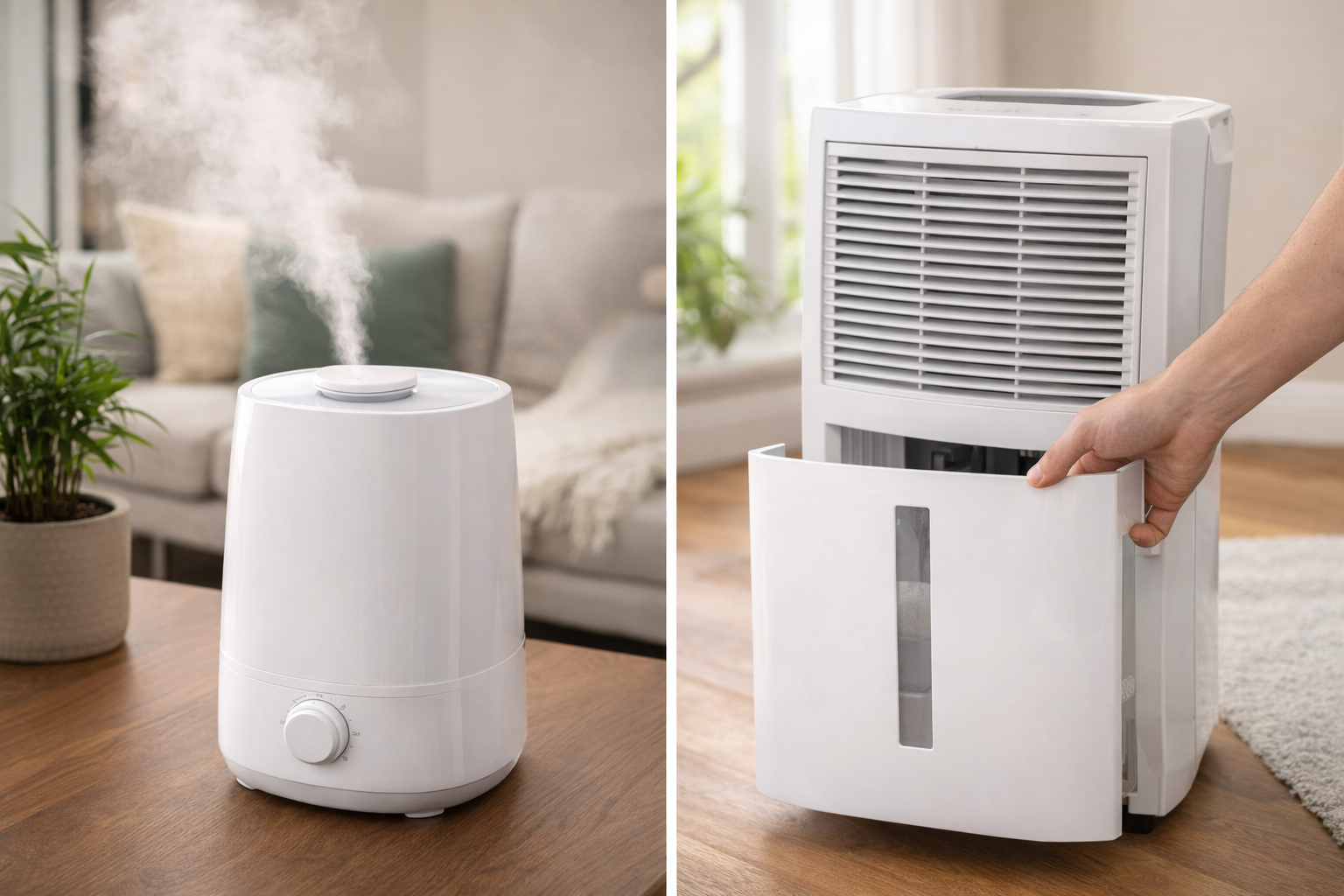
Understanding Air Blower Installation Challenges in Palm Bay When Indoor Air Feels Damp
In Palm Bay, it’s common to hear homeowners say, “The AC is running, but the air still feels damp.” That heavy, sticky indoor feeling is more than just discomfort. It’s often a sign that airflow and humidity control are out of balance.
Air blower installation—whether as part of structural drying, HVAC upgrades, or moisture control strategies—can help improve circulation and reduce dampness. But in Palm Bay’s coastal climate, installing and configuring air blowers correctly comes with specific challenges.
When indoor air feels persistently humid, it’s usually not just about temperature. It’s about moisture management and proper airflow.
What “Damp Indoor Air” Really Means
When homeowners describe air as damp, they’re usually noticing:
- Elevated humidity
- Slow drying of surfaces
- Musty odors
- Condensation on vents or windows
- Uneven cooling between rooms
Air conditioning lowers temperature, but it doesn’t always reduce humidity effectively if airflow is restricted or moisture loads are high.
In Palm Bay, the problem is often compounded by environmental conditions outside the home.
Why Palm Bay Homes Struggle With Humidity
Palm Bay’s climate creates consistent moisture pressure.
Coastal Humidity
Proximity to the Atlantic keeps ambient moisture levels high year-round.
Heavy Rainstorms
Frequent summer storms saturate soil and increase indoor humidity through minor infiltration.
Slab Foundations
Moisture vapor can migrate upward into interior spaces.
Extended Cooling Seasons
AC systems run heavily for months, increasing condensation potential.
Poor Air Circulation
Certain room layouts or older duct systems create stagnant air pockets.
Air blower installation aims to correct airflow issues—but it must be done strategically.
The Role of Air Blowers in Moisture Control
Air blowers are designed to:
- Increase air circulation
- Support structural drying
- Move humid air toward dehumidifiers
- Reduce stagnant zones
- Improve airflow balance
In moisture remediation scenarios, air blowers work alongside dehumidifiers to accelerate drying.
In HVAC-related upgrades, enhanced blower performance improves distribution of conditioned air.
However, simply adding airflow doesn’t automatically fix humidity problems.
Common Installation Challenges in Palm Bay Homes
Air blower installation in humid Florida environments presents several obstacles.
1. Moving Humid Air Without Removing It
Blowers circulate air—but if humidity remains high, they can simply redistribute damp air rather than reduce moisture.
Blowers must work in combination with dehumidification.
2. Inadequate Sizing
If blowers are undersized, they fail to improve circulation in larger or open-concept homes.
Oversized systems may create pressure imbalances.
3. Ductwork Limitations
Older Palm Bay homes may have:
- Leaky ducts
- Poor insulation
- Restricted airflow paths
Installing a blower without addressing duct conditions limits effectiveness.
4. Slab Vapor Issues
If dampness originates from slab vapor intrusion, airflow alone won’t resolve the moisture source.
5. Attic Conditions
In homes with attic air handlers, poor insulation or high attic humidity can reintroduce moisture into living spaces.
Without a complete moisture evaluation, blower installation may treat symptoms rather than causes.
Lessons Learned From Local Cases
Across Palm Bay and nearby communities like Cocoa, Melbourne, Merritt Island, and Sanford, recurring patterns appear.
Lesson 1: Airflow Alone Isn’t Enough
Blowers improve circulation but do not eliminate humidity without dehumidification support.
Lesson 2: Moisture Mapping Is Essential
Before installation, professionals must identify where dampness originates.
Lesson 3: HVAC Balance Matters
Pressure imbalances between rooms can worsen moisture pockets.
Lesson 4: Slab and Crawl Space Moisture Must Be Addressed
If lower structural areas remain damp, indoor air will continue to feel heavy.
Air blowers are effective when part of a broader moisture control strategy.
Professional Approach to Air Blower Installation
A structured installation plan typically includes:
Moisture Assessment
Using moisture meters and thermal imaging to locate damp zones.
Humidity Evaluation
Measuring indoor levels to determine overall moisture load.
HVAC Inspection
Checking duct integrity, insulation, and airflow distribution.
Blower Sizing and Placement
Determining optimal equipment capacity and positioning.
Integration With Dehumidification
Ensuring air movement works with moisture removal.
Companies such as Inspections and More FL evaluate airflow and moisture together—because separating them often leads to incomplete solutions.
When Air Blower Installation Becomes Necessary
Installation may be recommended when:
- Indoor air feels persistently damp
- Structural drying is underway
- Mold remediation requires controlled airflow
- HVAC systems show airflow deficiencies
- Certain rooms remain humid despite AC use
- Post-storm drying is incomplete
In Palm Bay’s humid climate, controlled airflow is often part of long-term moisture stabilization.
Preventing Recurring Damp Air Problems
After blower installation, maintaining stable conditions requires:
- Monitoring indoor humidity (ideally 45–55%)
- Maintaining HVAC systems regularly
- Clearing condensate drain lines
- Improving attic insulation if necessary
- Addressing slab or exterior drainage issues
- Scheduling periodic moisture evaluations
Air movement supports moisture control—but it must be part of a balanced system.
Why Local Experience Matters
Humidity behavior in Palm Bay differs from inland areas.
Professionals familiar with Palm Bay, Cocoa, Melbourne, Merritt Island, and Sanford understand:
- Coastal humidity cycles
- Slab vapor intrusion risks
- Storm-related soil saturation
- HVAC condensation challenges
Local experience ensures blower installation supports long-term moisture control instead of temporary relief.
Inspections and More FL works within these Florida-specific conditions, focusing on stabilizing both airflow and humidity before recommending upgrades.
A Practical Next Step
If your Palm Bay home feels persistently damp—even with the AC running—an evaluation can determine whether airflow, humidity, or structural moisture is contributing.
Air blower installation can be an effective solution, but only when paired with proper moisture assessment and humidity management.
In Florida’s demanding climate, comfort and structural protection both depend on balanced airflow and controlled humidity.
With the right approach, indoor air can feel lighter, drier, and more stable year-round.