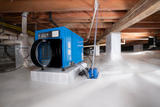
Understanding Air Blower Installation Challenges in Sanford in Coastal Properties
Sanford may sit inland compared to Cocoa or Melbourne, but coastal influence still impacts local properties — especially those near Lake Monroe, riverfront areas, and low-lying neighborhoods.
Humidity doesn’t stop at the shoreline.
During heavy rain cycles, tropical systems, and extended humid periods, coastal-style moisture behavior affects homes and commercial properties throughout Sanford. When water intrusion or elevated humidity impacts structural materials, air blower installation often becomes necessary as part of the drying process.
But in coastal-influenced environments, installing and operating air blowers comes with unique challenges.
Let’s take a closer look at what makes air blower installation more complex in Sanford’s coastal-adjacent properties — and how professionals address those challenges.
Why Coastal Conditions Affect Sanford Properties
Even inland, Sanford experiences:
- Prolonged high humidity
- Saturated soil after heavy storms
- Lake-effect moisture influence
- Extended drying timelines
- Frequent afternoon rain cycles
Properties near Lake Monroe or lower elevations often retain moisture longer than expected.
When humidity remains elevated, drying structural materials requires controlled airflow — not just passive ventilation.
What Air Blower Installation Is Designed to Do
Air blowers (air movers) are professional-grade machines used to increase directional airflow across damp surfaces.
They are installed to:
- Accelerate evaporation
- Break up stagnant moisture pockets
- Support dehumidification
- Dry subfloors and framing
- Reduce mold growth risk
In Sanford coastal-adjacent properties, they are commonly used after:
- Roof leaks
- Storm-driven intrusion
- Slab moisture migration
- Crawl space dampness
- HVAC condensation events
But environmental conditions can complicate the process.
Challenge #1: High Ambient Humidity Slows Drying
One of the biggest challenges in Sanford is humidity itself.
If outdoor air is already moisture-heavy:
- Evaporation slows
- Materials reabsorb humidity
- Drying timelines increase
- Equipment must run longer
Air blowers alone do not remove moisture from the air — they move it.
Without dehumidification, circulating humid air may not effectively dry materials.
Professional setups always combine air movement with humidity control.
Challenge #2: Slab Foundation Moisture
Many Sanford properties are built on slab foundations.
After heavy rain:
- Concrete absorbs ground moisture
- Slab edges remain damp
- Flooring adhesives weaken
- Moisture migrates upward
Air blowers must be positioned carefully along slab perimeters to maximize airflow across affected areas.
Improper placement may result in uneven drying.
Challenge #3: Crawl Space Conditions
In homes with pier-and-beam foundations:
- Ground moisture accumulates after storms
- Vapor barriers may be incomplete
- Ventilation may be limited
Air blower installation in crawl spaces requires careful positioning to avoid recirculating damp air without proper exhaust or dehumidification.
Confined spaces demand strategic airflow design.
Challenge #4: HVAC System Interference
During drying, HVAC systems may:
- Circulate humid air back into affected zones
- Disrupt airflow patterns
- Spread airborne contaminants
Professionals often isolate HVAC zones or adjust airflow temporarily during blower operation.
Without coordination, drying efficiency decreases.
Challenge #5: Salt Air and Material Deterioration
In coastal-influenced areas of Sanford, salt-laden air can accelerate corrosion once materials are damp.
Extended moisture exposure combined with salt can lead to:
- Fastener corrosion
- Metal duct degradation
- Hardware weakening
Air blower installation must occur quickly after intrusion events to limit structural impact.
Proper Professional Approach in Sanford Properties
Effective air blower installation requires a structured method.
1. Moisture Detection First
Using moisture meters and thermal imaging to locate damp zones.
2. Source Correction
Repairing roof, plumbing, or drainage issues before drying.
3. Controlled Containment
Preventing moisture spread to unaffected areas.
4. Strategic Equipment Placement
Positioning air blowers at calculated angles to maximize surface airflow.
5. Dehumidifier Integration
Lowering ambient humidity while air circulates.
6. Continuous Monitoring
Checking moisture levels daily to prevent over-drying or under-drying.
Companies like Inspections and More FL understand how Sanford’s humidity patterns affect drying efficiency and adjust equipment accordingly.
Why DIY Drying Often Fails
Homeowners sometimes attempt to dry areas with:
- Box fans
- Open windows
- Household dehumidifiers
In humid conditions, opening windows can introduce more moisture.
Box fans lack directional power and airflow intensity.
Professional air blowers are calibrated for high-velocity, targeted airflow — designed specifically for structural drying.
Structural Risks of Improper Drying
If drying is incomplete, Sanford properties may experience:
- Mold growth
- Subfloor deterioration
- Ceiling sagging
- Wood rot
- Insulation collapse
- Recurring moisture stains
In Florida’s warm climate, mold can develop within days if moisture remains.
Prompt and controlled drying limits risk.
Preventing Recurring Moisture Issues
Sanford property owners can reduce risk by:
Monitoring Indoor Humidity
Keep levels between 45–55%.
Inspecting Roof Systems After Storms
Even small leaks cause hidden dampness.
Improving Exterior Drainage
Prevent pooling near foundations.
Servicing HVAC Systems Annually
Ensure condensate drains properly.
Scheduling Post-Storm Moisture Checks
Early detection reduces drying scope.
Homes in Palm Bay, Melbourne, Cocoa, and Merritt Island face similar moisture challenges, but Sanford’s lake-adjacent and low-lying areas create unique drying considerations.
Why Local Experience Matters
Air blower installation is not just about turning on equipment.
It requires understanding:
- Local humidity cycles
- Slab and crawl space behavior
- Lake-effect moisture influence
- Seasonal storm patterns
- HVAC interaction
Inspections and More FL approaches drying in Sanford with regional awareness, ensuring airflow and humidity control work together effectively.
Controlled Drying for Long-Term Protection
In Sanford’s coastal-influenced properties, moisture doesn’t always behave predictably.
Air blower installation becomes necessary when:
- Materials remain damp after storms
- Slab moisture migrates upward
- Crawl spaces retain humidity
- Attic insulation absorbs water
When combined with proper moisture detection and dehumidification, controlled airflow restores structural stability.
In Florida’s humid environment, effective drying is one of the most important steps in preventing long-term structural damage and mold growth.