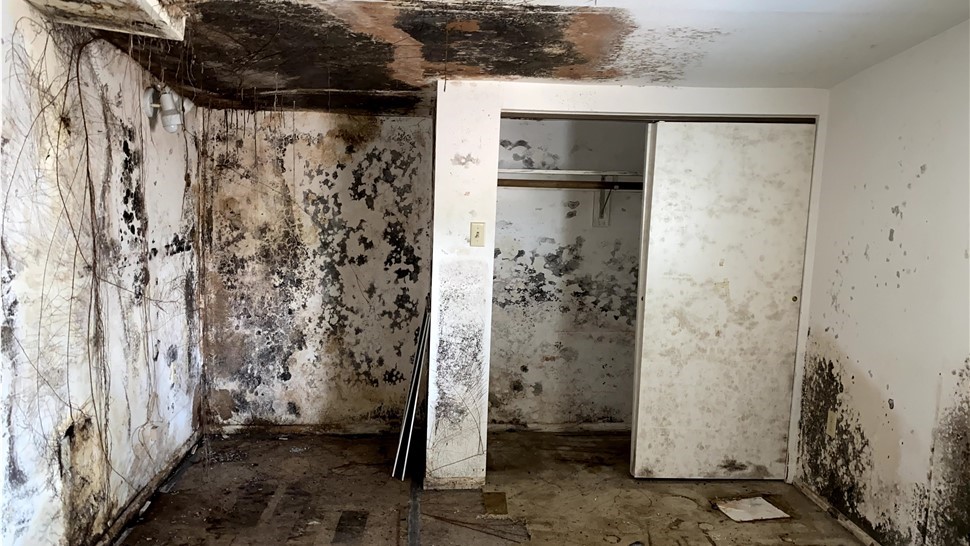
Why Mold Remediation Becomes Necessary in Sanford in Older Florida Homes
Older homes in Sanford have character, history, and solid craftsmanship. But many were built decades ago — long before modern moisture barriers, upgraded ventilation systems, and improved insulation standards became common.
In Central Florida’s humid climate, those older construction methods can create vulnerabilities. Over time, repeated humidity cycles, minor roof issues, plumbing leaks, and HVAC condensation can lead to hidden moisture accumulation.
When that moisture lingers, mold remediation often becomes necessary.
Why Older Homes in Sanford Face Higher Mold Risk
Sanford experiences long humid summers, heavy rain cycles, and periodic tropical systems. Even without direct coastal exposure like Cocoa or Melbourne, moisture pressure remains constant.
Older homes often include:
- Aging roof systems
- Outdated attic ventilation
- Original plumbing lines
- Slab foundations without modern vapor barriers
- Older HVAC units with limited humidity control
- Wood framing exposed to decades of moisture cycles
Over time, these factors increase the likelihood of hidden water intrusion.
When moisture isn’t detected early, mold growth can develop quietly behind walls, beneath flooring, or inside attic spaces.
Common Moisture Sources in Older Sanford Homes
Mold remediation typically becomes necessary after one or more of these issues occur:
Roof Leaks
Aging shingles and flashing allow wind-driven rain intrusion.
Slab Moisture Migration
Concrete absorbs ground moisture and releases it slowly upward.
Plumbing Seepage
Slow leaks inside walls remain unnoticed for months.
HVAC Condensation
Clogged drain lines or duct sweating increase indoor humidity.
Poor Attic Ventilation
Trapped heat and moisture affect roof decking and insulation.
Because these issues may not produce visible flooding, mold growth often develops gradually.
Early Warning Signs Homeowners Should Not Ignore
In older Sanford homes, mold problems may begin with subtle signs.
- Persistent musty odors
- Peeling paint near ceilings
- Warped baseboards
- Ceiling discoloration
- Elevated indoor humidity
- Allergy-like reactions
By the time these signs appear, moisture may have been present for weeks.
Early inspection can limit remediation scope.
Hidden Areas Where Mold Often Develops
In older homes, mold frequently grows in concealed structural spaces.
Attic Roof Decking
Humidity and minor leaks affect plywood sheathing.
Wall Cavities
Water travels downward along framing channels.
Under Hardwood or Carpet
Slab moisture migrates beneath flooring materials.
Crawl Spaces
Ground moisture accumulates beneath older homes.
HVAC Closets
Condensation overflow may dampen drywall.
Without proper moisture detection tools, these areas remain hidden.
Why DIY Cleanup Often Fails
Homeowners sometimes attempt:
- Painting over stains
- Cleaning visible mold with household products
- Running fans
- Using small dehumidifiers
These methods do not address:
- Hidden moisture in framing
- Saturated insulation
- Slab moisture migration
- Airborne spore contamination
Bleach does not penetrate porous drywall or wood.
Surface cleaning without moisture correction leads to recurrence.
The Professional Mold Remediation Process
In older Sanford homes, remediation typically follows a structured approach.
1. Moisture Detection
Using moisture meters and thermal imaging to identify hidden damp areas.
2. Source Correction
Repairing roof gaps, plumbing leaks, or ventilation issues.
3. Containment
Preventing cross-contamination during removal.
4. Air Scrubbing
Filtering airborne spores during remediation.
5. Removal of Saturated Materials
Replacing damaged drywall or insulation when necessary.
6. Structural Drying
Industrial dehumidifiers restore safe moisture levels.
7. Anti-Microbial Treatment
Reducing regrowth risk.
8. Verification
Confirming moisture levels have stabilized.
Companies like Inspections and More FL understand how older Florida construction behaves under humid conditions and focus on both removal and prevention.
Structural Risks of Delaying Remediation
In Sanford’s humid climate, untreated mold and moisture can eventually cause:
- Wood rot in framing
- Subfloor deterioration
- Ceiling sagging
- Insulation collapse
- Fastener corrosion
- Expanded contamination into HVAC systems
Older materials may deteriorate faster once moisture is present.
Early remediation protects structural integrity.
Why Mold Problems Often Return in Older Homes
Recurring mold typically happens because:
- Moisture sources weren’t fully corrected
- HVAC systems remain unbalanced
- Slab vapor barriers are inadequate
- Attic ventilation is insufficient
- Indoor humidity remains high
Without long-term moisture control, remediation may become a repeating expense.
Preventing Mold in Older Sanford Homes
Homeowners can reduce risk by:
Monitoring Indoor Humidity
Maintain 45–55% relative humidity.
Inspecting Roof Systems Annually
Address flashing and shingle wear early.
Servicing HVAC Systems Regularly
Prevent condensate overflow and duct sweating.
Evaluating Slab Edges
Look for damp baseboards or flooring.
Checking Attics Twice Per Year
Inspect insulation and roof decking.
Scheduling Periodic Moisture Inspections
Especially after heavy storms.
Homes in Palm Bay, Melbourne, Cocoa, and Merritt Island face similar climate challenges, but Sanford’s inland humidity still creates year-round moisture pressure.
Why Local Experience Matters
Mold remediation in older Florida homes requires understanding regional building behavior.
Professionals familiar with Sanford understand:
- Central Florida humidity cycles
- Slab foundation moisture patterns
- Attic ventilation limitations
- Aging roofing materials
- HVAC condensation trends
Inspections and More FL approaches older homes with a prevention-focused mindset, ensuring moisture correction supports long-term structural protection.
Protecting Older Homes for the Long Term
Older homes in Sanford deserve proactive care.
When hidden moisture leads to mold growth, remediation becomes necessary not just for appearance — but for structural protection.
Proper remediation includes:
- Accurate moisture detection
- Source correction
- Controlled containment
- Thorough drying
- Ongoing humidity management
In Florida’s climate, moisture management is continuous.
Addressing mold early protects framing, flooring, insulation, and indoor air quality — helping older Sanford homes remain safe and structurally sound for years to come.