
Understanding Dehumidification Challenges in Palm Bay When AC Condensation Becomes a Problem
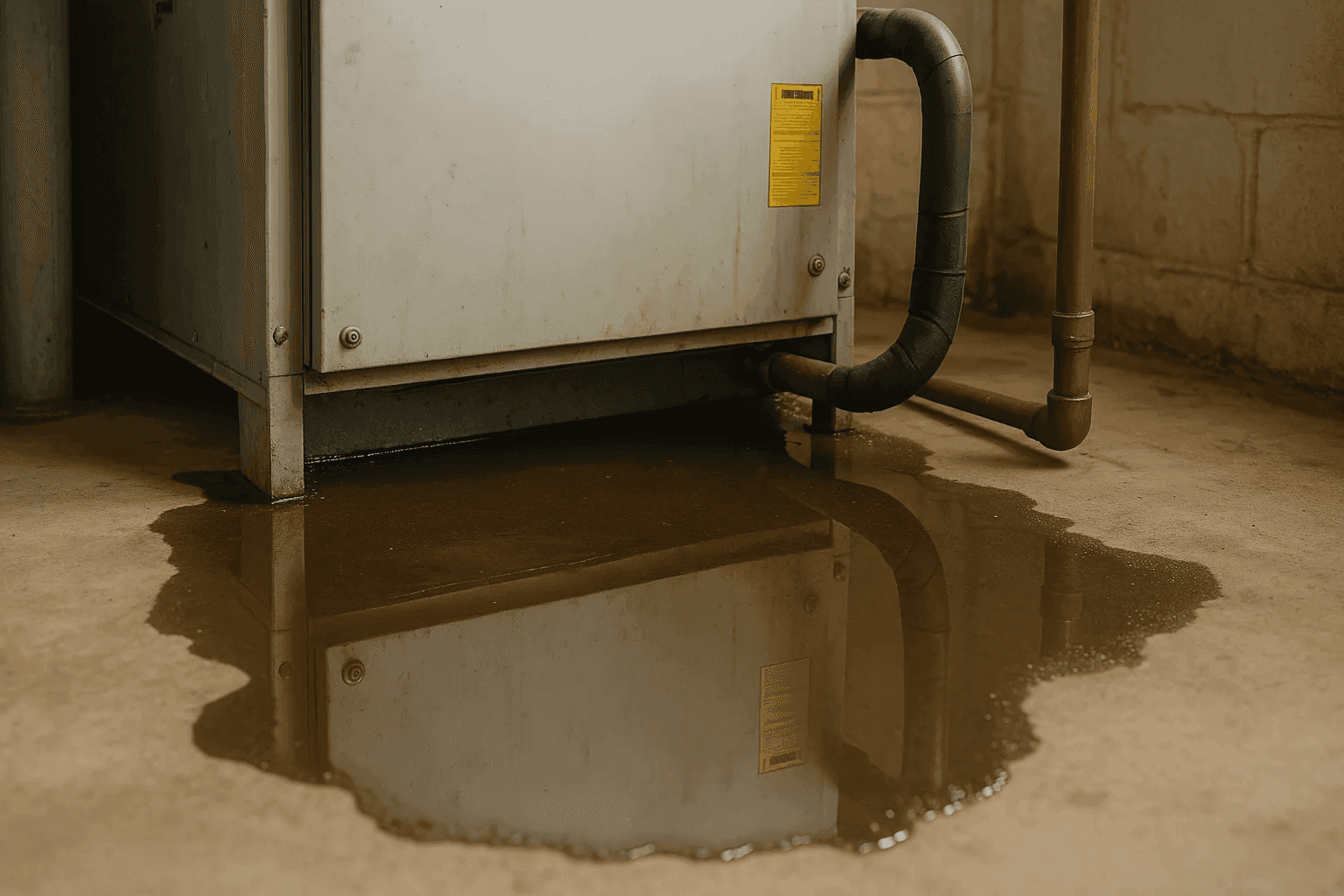 If you live in Palm Bay, you already know your air conditioner works overtime. Between the coastal humidity, long summers, and daily afternoon storms, your AC system runs almost year-round. It cools the air, pulls out moisture, and keeps indoor comfort manageable.
But what happens when the very system designed to remove humidity starts creating moisture problems instead?
AC condensation issues are one of the most common dehumidification challenges we see in Palm Bay homes. What starts as a small drip can quietly turn into elevated indoor humidity, damp drywall, and eventually mold growth.
Let’s break down why this happens, what signs to look for, and how to address it correctly.
What the Issue Actually Is
Air conditioners naturally create condensation. When warm, humid Palm Bay air passes over cold evaporator coils, moisture forms — just like water droplets on a cold glass.
Normally, this condensation:
- Drips into a drain pan
- Flows through a condensate line
- Exits safely outside
When everything works properly, you never notice it.
But when drain lines clog, pans crack, coils freeze, or ductwork sweats, that condensation has nowhere to go. Instead of leaving the home, it accumulates:
- Inside air handler closets
- Behind drywall
- Under flooring
- In duct insulation
That’s when dehumidification becomes a challenge — because your AC is adding moisture faster than it removes it.
Why This Happens So Often in Palm Bay
Palm Bay presents a perfect storm of humidity-related challenges.
Constant High Humidity
Palm Bay’s coastal environment means outdoor humidity often sits above 70–80%. During summer, it regularly exceeds 90%. Your AC runs continuously trying to manage it.
When systems run constantly, condensation production increases significantly.
Clogged Drain Lines
Florida algae growth thrives in moist drain lines. Condensate lines clog frequently due to:
- Algae buildup
- Sludge
- Rust particles
- Debris
Once clogged, water backs up into the unit or leaks into surrounding walls.
Poorly Insulated Ductwork
In many Palm Bay homes, especially older ones, ductwork runs through hot attics. When cold air moves through poorly insulated ducts, condensation forms on the exterior.
That moisture drips onto attic insulation or ceiling drywall.
High Water Table & Slab Foundations
Palm Bay’s soil retains moisture. Elevated groundwater after storms compounds indoor humidity issues, making AC systems work even harder.
Oversized AC Units
Ironically, an oversized AC unit can worsen humidity problems. It cools air quickly but doesn’t run long enough to properly remove moisture.
Short cycling leaves air cool — but still humid.
Common Signs Homeowners Notice
When AC condensation becomes a problem, homeowners often report:
- Musty odors near vents
- Damp carpet near the air handler
- Rust stains under the unit
- Water pooling around indoor AC closets
- Higher-than-normal indoor humidity
- Ceilings showing faint water staining
- AC running constantly but house still feeling humid
Sometimes the first clue is a slightly damp smell that won’t go away — even when the house looks dry.
That’s often trapped condensation inside walls or ductwork.
Hidden or Overlooked Moisture Sources
AC-related moisture often hides where you least expect it.
Behind Air Handler Closets
Small leaks can soak drywall and framing without visible signs.
Inside Duct Insulation
Condensation inside or around ducts creates a damp environment perfect for mold.
Under Flooring
If the air handler sits on a slab, minor leaks may seep underneath flooring materials.
Attics
Sweating ducts in hot Palm Bay attics drip slowly over time, saturating insulation.
Return Air Plenums
Poor sealing allows humid attic air to mix with conditioned air, increasing internal condensation.
These hidden areas make moisture detection critical.
Why DIY Fixes Usually Fail
Homeowners often attempt simple fixes:
- Pouring bleach into the drain line
- Replacing the drain pan
- Running portable dehumidifiers
- Cleaning visible mold
While these steps may help temporarily, they rarely address the entire problem.
Here’s why:
- Bleach doesn’t remove deep algae buildup
- Drain lines may clog again without proper flushing
- Portable units can’t dry wall cavities
- Duct condensation requires insulation correction
- Oversized systems need evaluation, not surface fixes
Without identifying the root cause, condensation problems return.
Professional Inspection and Detection Explained
When AC condensation problems arise in Palm Bay homes, proper inspection involves multiple steps.
At Inspections and More FL, evaluation typically includes:
Visual System Assessment
We inspect drain pans, float switches, drain lines, and air handler compartments.
Moisture Meter Testing
We test drywall, baseboards, and flooring around the system.
Thermal Imaging
Infrared scans reveal hidden moisture behind walls and ceilings.
Humidity Measurement
Indoor humidity should remain between 45–55%. Higher readings signal imbalance.
Duct Inspection
We assess attic duct insulation, sealing, and condensation buildup.
Drain Line Testing
Proper flushing and flow verification ensures condensation exits correctly.
The goal isn’t guessing — it’s locating the exact moisture source.
Proper Remediation and Moisture Control Process
Correcting AC condensation challenges requires both drying and system correction.
Containment (If Mold Is Present)
Affected areas are isolated to prevent spore spread.
Drain Line Clearing and Treatment
Lines are professionally flushed and treated to reduce algae regrowth.
Repair or Replacement of Drain Pans
Cracked or rusted pans are corrected.
Duct Insulation Improvements
Proper insulation prevents sweating in hot attics.
Structural Drying
If leaks caused damage, commercial dehumidifiers and air movers dry affected materials.
Anti-Microbial Treatment
Applied where necessary to prevent regrowth.
System Performance Evaluation
Ensuring the AC unit size matches the home’s square footage prevents short cycling.
Long-Term Humidity Solutions
Whole-home dehumidifiers may be recommended in high-humidity Palm Bay homes.
Each step focuses on both the symptom and the source.
Preventing AC Condensation Issues in Palm Bay
Palm Bay homeowners can reduce risk with consistent maintenance.
- Flush drain lines quarterly
- Schedule annual AC servicing
- Monitor indoor humidity
- Insulate attic ductwork properly
- Ensure drain pans have functioning float switches
- Keep air handler areas dry and ventilated
- Install whole-home dehumidification if needed
Small preventive steps prevent major repairs.
Why Local Experience Matters
Palm Bay’s humidity levels, coastal air, and frequent storms create unique AC challenges.
Professionals familiar with:
- Palm Bay slab foundations
- Attic heat conditions
- Coastal humidity patterns
- Common Florida AC installation issues
can diagnose problems faster and more accurately.
Homes in Palm Bay behave differently than homes in drier climates. Condensation problems aren’t rare here — they’re common.
Understanding local building styles and climate conditions prevents recurring moisture issues.
Inspections and More FL has experience evaluating AC-related moisture issues throughout Palm Bay, Cocoa, Melbourne, Merritt Island, and Sanford, focusing on accurate detection and long-term solutions.
A Calm, Practical Next Step
If your Palm Bay home feels humid despite the AC running, or if you’ve noticed minor water around your system, it’s worth having it checked.
Condensation problems often start small. Addressing them early prevents mold growth and structural damage.
A professional evaluation gives clarity. It identifies whether the issue is minor maintenance or a larger humidity imbalance.
In Florida’s climate, moisture management isn’t optional — it’s essential.
With the right approach, your AC system can do what it’s meant to do: cool your home without creating hidden moisture problems.
