
Why Anti-Microbial Fogging Becomes Necessary in Melbourne During Extreme Humidity
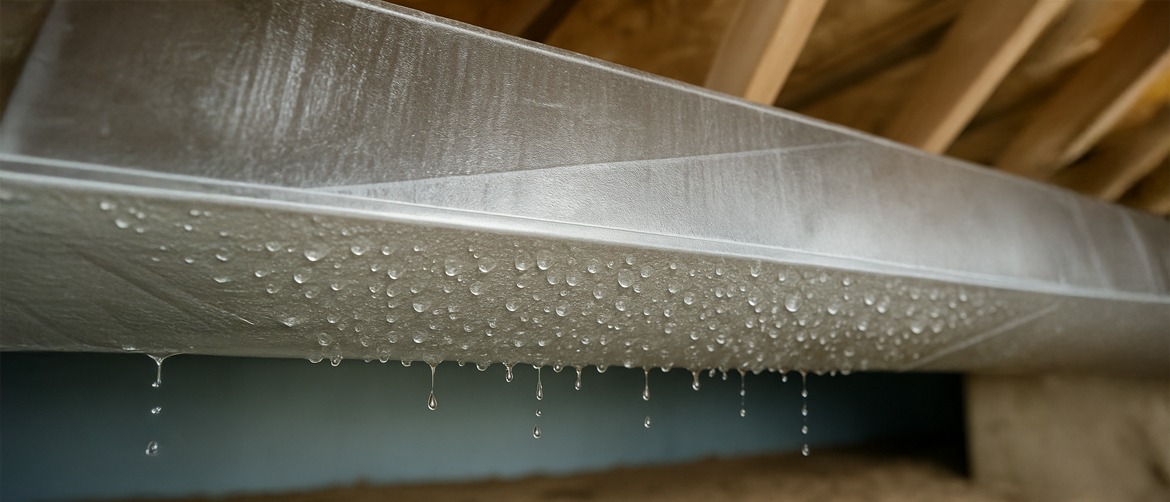 If you’ve lived through a summer in Melbourne, you already know what extreme humidity feels like. You step outside and your glasses fog up instantly. You walk back inside, and somehow it still feels damp. During peak rainy season, especially after back-to-back storms rolling in from the Atlantic, indoor humidity levels can climb fast — and stay there.
In these conditions, moisture doesn’t just make the air uncomfortable. It creates the perfect environment for microbial growth on surfaces you may not even see. That’s when anti-microbial fogging becomes more than just an optional step — it becomes part of a broader moisture control strategy.
In Melbourne and nearby areas like Palm Bay and Merritt Island, we regularly see situations where humidity alone — even without major flooding — triggers mold concerns. Understanding when and why fogging becomes necessary helps homeowners make informed decisions.
What Anti-Microbial Fogging Actually Is
Anti-microbial fogging is a controlled application of a specialized solution dispersed as a fine mist. The fog settles on surfaces throughout a treated space, helping reduce microbial presence on:
- Walls
- Ceilings
- Exposed framing
- HVAC surfaces
- Hard-to-reach corners
It does not replace mold removal when heavy contamination is present. Instead, it complements proper cleaning, drying, and remediation efforts.
During extreme humidity in Melbourne, fogging often becomes necessary after:
- Prolonged indoor humidity above 60%
- Water intrusion events
- HVAC condensation problems
- Storm-related moisture exposure
The goal is to treat microscopic residues and prevent regrowth once moisture levels are brought under control.
Why Extreme Humidity in Melbourne Creates the Need
Melbourne’s coastal location brings consistent moisture exposure year-round. But during certain periods — especially late summer — humidity becomes extreme.
Persistent Coastal Moisture
Proximity to the Atlantic Ocean means constant moisture in the air. Even without rainfall, humidity levels remain elevated.
Back-to-Back Storm Systems
When multiple storms pass through Brevard County, homes never fully dry between events. Materials like drywall and insulation absorb moisture and remain damp longer.
High Indoor Humidity from AC Strain
Air conditioning systems struggle during peak humidity. If the system runs constantly or experiences condensation issues, indoor humidity can rise beyond safe levels.
Elevated Water Table
In low-lying areas of Melbourne, saturated soil increases ground moisture intrusion into slab foundations and crawl spaces.
All of these factors create ideal conditions for microbial growth — even if no visible mold is immediately present.
Common Signs That Fogging May Be Necessary
Homeowners in Melbourne often report:
- Musty odors that persist after cleaning
- Lingering damp smell after storms
- Minor visible spotting on baseboards or ceilings
- Elevated humidity readings inside
- HVAC odor when the system turns on
Sometimes the home looks clean, but the air doesn’t feel fresh. That subtle difference often signals microbial activity on surfaces or within duct systems.
Fogging is typically considered after moisture has been corrected but before regrowth takes hold.
Hidden Areas Where Microbial Growth Lingers
Extreme humidity allows spores to settle and multiply in overlooked spaces.
Behind Drywall
Moisture trapped inside wall cavities creates a hidden environment for growth.
Attics
Melbourne attics become extremely hot and humid. Damp insulation combined with poor ventilation increases microbial activity.
HVAC Systems
Duct interiors, coils, and plenums accumulate condensation during high humidity periods.
Under Flooring
Tile and laminate floors on slabs can trap moisture underneath.
Air Handler Closets
Small condensation leaks in these enclosed spaces can elevate humidity locally.
Anti-microbial fogging helps address surface contamination in areas that are difficult to wipe or manually treat.
Why Surface Cleaning Alone Isn’t Enough
Many homeowners attempt to clean musty areas with household cleaners. While this may remove visible stains, it rarely addresses microscopic spores or residual contamination.
During extreme humidity:
- Spores spread through airflow
- Surfaces re-contaminate quickly
- Hidden areas remain untreated
Cleaning one visible spot doesn’t stop airborne spores from settling elsewhere.
That’s where fogging becomes valuable — it distributes treatment evenly across the treated area.
The Proper Process Before Fogging
Fogging should never be the first step. It follows proper inspection and moisture correction.
At Inspections and More FL, we focus on a sequence:
Step 1: Moisture Detection
Using moisture meters and thermal imaging, we identify damp materials.
Step 2: Source Correction
Drain line clogs, roof leaks, ventilation issues, or slab moisture must be addressed first.
Step 3: Structural Drying
Commercial dehumidifiers and air movers reduce moisture content in affected materials.
Step 4: Cleaning and Removal
If visible mold exists, proper removal and containment procedures are followed.
Step 5: Anti-Microbial Fogging
Once surfaces are dry and contamination levels reduced, fogging provides an added layer of protection.
Skipping moisture correction makes fogging ineffective. Controlling humidity remains the priority.
How Fogging Works in High-Humidity Environments
During fogging:
- A fine mist disperses evenly throughout the space
- Microscopic droplets settle on exposed surfaces
- The solution targets microbial residues
Because extreme humidity allows spores to settle widely, fogging ensures broad coverage.
In Melbourne homes recovering from prolonged humidity, fogging helps stabilize treated areas after remediation.
Preventing the Need for Repeat Fogging
The key to long-term success is moisture control.
Melbourne homeowners can reduce risk by:
- Maintaining indoor humidity between 45–55%
- Installing whole-home dehumidifiers
- Servicing AC systems annually
- Cleaning drain lines quarterly
- Improving attic ventilation
- Inspecting after major storms
- Monitoring humidity with digital sensors
Fogging addresses contamination. Humidity control prevents recurrence.
Why Local Experience Matters in Melbourne
Extreme humidity behaves differently in coastal Florida than in inland climates.
Local experience provides insight into:
- Atlantic-driven moisture patterns
- Brevard County storm cycles
- Slab moisture movement
- Attic heat and ventilation dynamics
- AC condensation challenges
Homes in Melbourne, Palm Bay, and Merritt Island face similar humidity patterns, but building styles vary. Understanding those nuances ensures fogging is applied appropriately — and only when necessary.
Inspections and More FL approaches fogging as part of a complete moisture management strategy, not as a standalone fix.
A Calm, Practical Next Step
If your Melbourne home feels persistently damp or develops musty odors during extreme humidity, it’s worth evaluating both moisture levels and microbial presence.
Fogging isn’t about alarm. It’s about stabilization after moisture exposure.
When applied at the right time — after proper drying and inspection — it helps protect treated areas and restore indoor air quality balance.
Extreme humidity is part of life in Melbourne. Managing it properly keeps your home comfortable and protected through every season.
