Understanding Moisture Detection Challenges in Palm Bay in Slab Foundation Houses
Slab foundation homes are common throughout Palm Bay. They’re stable, practical for Florida’s soil conditions, and cost-effective to build. But when it comes to moisture detection, slab homes present a unique set of challenges—especially in a coastal climate where humidity and groundwater are constant factors.
In Palm Bay, moisture doesn’t always show up as standing water. It often moves invisibly through concrete, along floor transitions, and into lower wall cavities. By the time visible damage appears, moisture may have been present for weeks.
Understanding the specific challenges of detecting moisture in slab foundation houses helps homeowners address problems before they escalate into mold growth or structural damage.
Why Slab Foundations Create Detection Challenges
Unlike crawl space homes, slab houses sit directly on concrete poured over soil. There is no accessible space beneath the flooring to visually inspect.
Concrete may appear dry and solid—but it is porous. Moisture vapor can pass through it over time.
This creates three primary detection challenges:
- Hidden vapor transmission
- Limited visual access
- Lateral moisture spread beneath flooring
Because there’s no crawl space to inspect, moisture issues often go unnoticed until symptoms appear inside the living space.
Why Palm Bay Slab Homes Are Especially Vulnerable
Palm Bay’s environment increases the difficulty of identifying slab-related moisture.
High Water Table
After heavy rainstorms, groundwater levels rise. Saturated soil increases vapor pressure beneath slabs.
Coastal Humidity
Elevated humidity slows evaporation and keeps materials damp longer.
Heavy Storm Cycles
Back-to-back summer storms compound moisture exposure.
Extended AC Operation
Air conditioning runs heavily in Florida, increasing condensation risk near slab edges and duct runs.
Older Construction
Some older Palm Bay homes lack modern vapor barriers beneath slabs.
Moisture pressure comes from below, outside, and inside—all at once.
How Moisture Moves in Slab Homes
Understanding how moisture travels helps explain detection difficulties.
Vapor Intrusion
Water vapor rises through porous concrete and becomes trapped beneath flooring materials.
Capillary Action
Moisture can wick upward into drywall and baseboards.
Lateral Spread
Once beneath flooring, moisture moves sideways, affecting larger areas than the original entry point.
Condensation
Humid indoor air meeting cooler slab surfaces can create additional moisture buildup.
Because these processes are gradual, homeowners rarely see immediate damage.
Common Signs That Suggest Hidden Slab Moisture
Palm Bay homeowners may notice:
- Musty odors near floor level
- Warped or cupped hardwood flooring
- Lifting vinyl planks
- Bubbling paint along baseboards
- Damp carpet edges
- Elevated indoor humidity
However, these signs usually appear late in the moisture cycle.
Early-stage slab moisture often produces no visible symptoms.
Why Surface Inspection Isn’t Enough
One of the biggest challenges in slab homes is that moisture may be present without surface dampness.
Homeowners often rely on:
- Touching the floor
- Looking for stains
- Running small dehumidifiers
But slab-related moisture can remain hidden beneath flooring systems.
Surface dryness does not guarantee structural dryness.
Without proper tools, moisture detection becomes guesswork.
Professional Moisture Detection Methods in Slab Homes
A structured moisture detection process in Palm Bay typically includes:
Visual Assessment
Inspecting floor transitions, baseboards, and exterior drainage patterns.
Thermal Imaging
Infrared cameras detect temperature variations that may indicate hidden dampness beneath flooring or within lower wall sections.
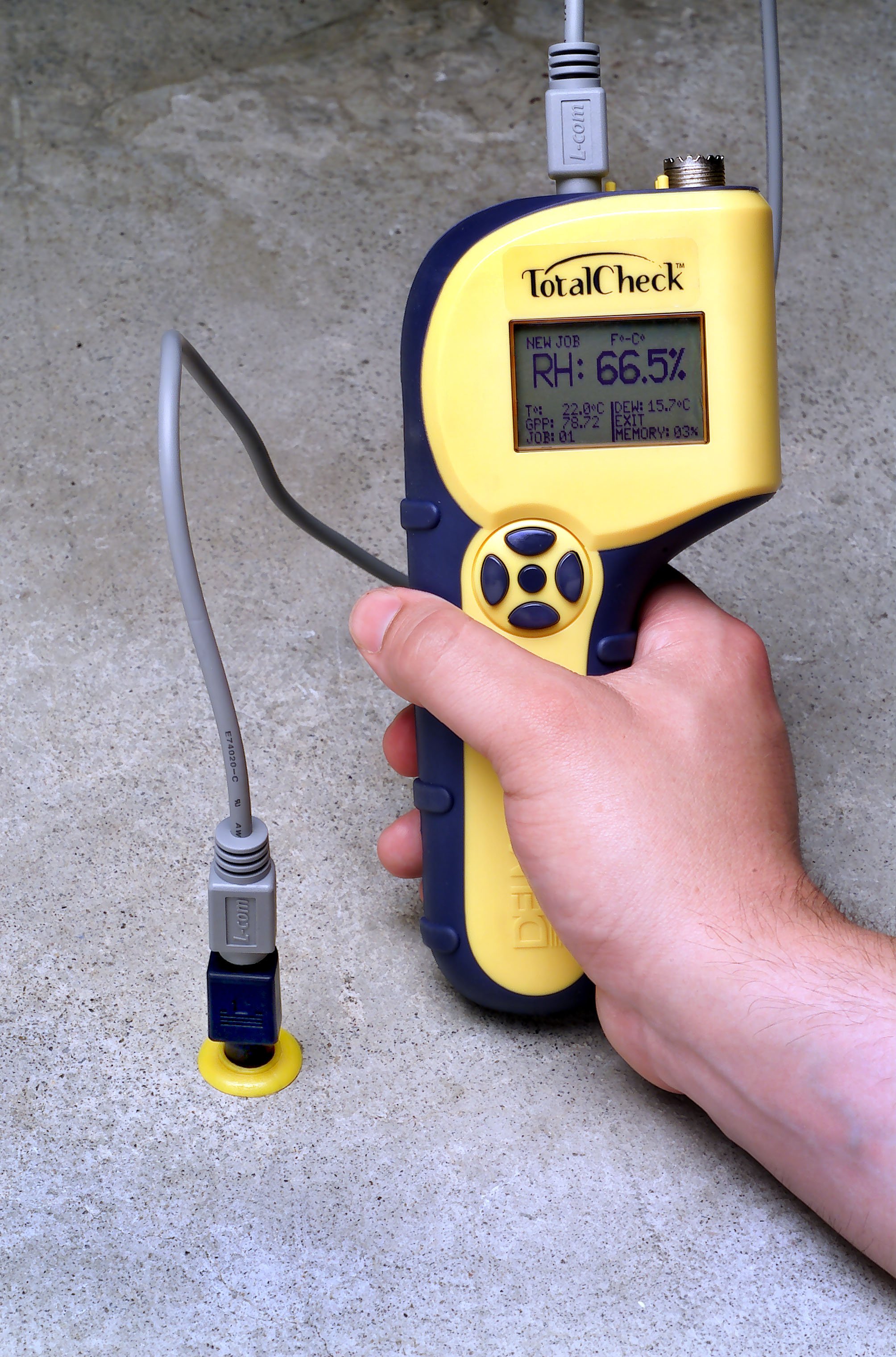
Non-Invasive Moisture Meters
Scanning through flooring to identify elevated moisture below.
Pin Testing (When Necessary)
Confirming moisture content in subfloor materials.
Indoor Humidity Monitoring
Determining whether environmental conditions are contributing to vapor retention.
Companies such as Inspections and More FL combine multiple tools to map moisture patterns rather than relying on one method.
Detection focuses on identifying both presence and source.
Unique Challenges in Slab Foundation Detection
Flooring as a Barrier
Tile, vinyl, and hardwood trap moisture beneath them, masking early signs.
Large Continuous Surfaces
Slabs extend under entire homes, making it difficult to isolate affected zones without mapping.
Seasonal Variations
Moisture levels fluctuate depending on rainfall and humidity cycles.
False Assumptions
Homeowners often assume moisture must come from plumbing leaks, overlooking vapor intrusion.
Accurate detection requires understanding these patterns.
The Risk of Ignoring Slab Moisture
If slab moisture remains undetected, it can lead to:
- Mold growth inside lower wall cavities
- Subfloor deterioration
- Flooring adhesive failure
- Wood rot
- Increased indoor humidity
- Recurring remediation cycles
Florida’s warm climate accelerates these outcomes.
Early detection reduces both repair scope and cost.
How Moisture Detection Protects Palm Bay Homes
Professional detection allows:
- Targeted drying
- Controlled dehumidification
- Identification of vapor intrusion
- Prevention of mold growth
- Stabilization of structural materials
- Accurate repair planning
Rather than removing large flooring sections blindly, detection pinpoints the true moisture footprint.
Preventing Slab Moisture Issues in Palm Bay
Long-term protection includes:
- Maintaining proper exterior drainage
- Monitoring indoor humidity (45–55% range)
- Servicing HVAC condensate systems
- Inspecting after heavy rainstorms
- Considering whole-home dehumidification
- Scheduling periodic moisture evaluations
Because slab moisture often develops gradually, routine evaluation is key.
Why Local Experience Matters
Moisture behavior in Palm Bay slab homes differs from inland properties.
Professionals familiar with Palm Bay, Cocoa, Melbourne, Merritt Island, and Sanford understand:
- Coastal humidity cycles
- Slab vapor transmission patterns
- Storm-related soil saturation
- AC condensation challenges
Local experience allows more accurate identification of moisture pathways and faster stabilization.
Inspections and More FL works within these Florida-specific conditions, focusing on detection before structural damage spreads.
A Practical Next Step
If your Palm Bay slab home feels damp, develops musty odors, or shows subtle flooring changes, don’t assume it’s a minor issue.
Moisture detection in slab foundation houses requires proper tools and local knowledge.
Early evaluation protects your flooring, lower walls, and structural integrity from long-term damage.
In Florida’s coastal climate, hidden moisture is common—but with accurate detection, it doesn’t have to become a major repair project.