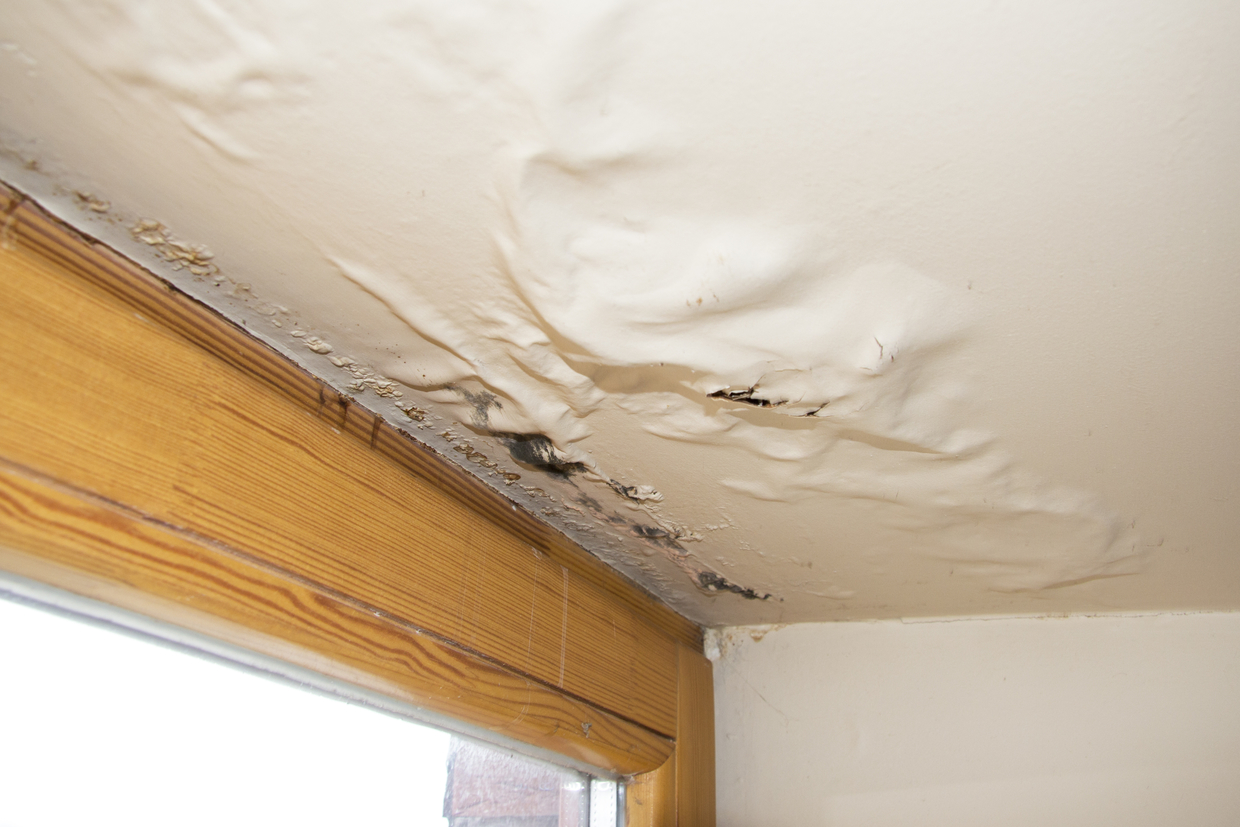
How Moisture Detection Protects Properties in Cocoa After Roof Failures
In Cocoa, roof failures don’t always start with a dramatic collapse. More often, they begin with a small flashing shift during a storm, a lifted shingle after high winds, or gradual deterioration around a roof penetration. Once water enters, the real problem begins.
In Florida’s humid coastal climate, moisture rarely dries on its own. After a roof failure, water can spread far beyond the visible leak. That’s why professional moisture detection becomes one of the most important steps in protecting a property after roof damage.
In Cocoa and surrounding areas like Merritt Island, Melbourne, Palm Bay, and Sanford, early moisture detection prevents minor roof issues from turning into major structural repairs.
What Happens After a Roof Failure
When a roof system fails—whether from storm damage, aging materials, or flashing breakdown—water doesn’t just drip straight down.
It travels.
Water can:
- Move laterally along roof decking
- Soak insulation before reaching ceilings
- Follow framing members into walls
- Travel down wall cavities
- Pool above drop ceilings
- Saturate subfloors
By the time a ceiling stain appears, moisture may have already spread to multiple structural areas.
In Cocoa’s climate, that hidden dampness does not dry quickly.
Why Cocoa Homes Are Especially Vulnerable
Cocoa’s coastal conditions intensify roof-related moisture problems.
Wind-Driven Rain
Storm systems push rain horizontally under shingles and flashing.
Heavy Downpours
Sudden rain events overwhelm weak roofing systems.
High Humidity
Even after the rain stops, drying slows due to elevated air moisture.
Coastal Air Exposure
Salt-laden air accelerates material deterioration over time.
Frequent Storm Cycles
Back-to-back weather systems can compound minor roof damage.
Because moisture pressure remains high for extended periods, roof-related dampness spreads quickly.
The Hidden Risk: Surface Dryness
Homeowners often assume the problem is resolved once:
- The roof is patched
- The visible leak stops
- Ceiling stains dry
- Dripping ends
However, surface dryness does not guarantee structural dryness.
Moisture may remain trapped inside:
- Insulation
- Roof decking
- Attic framing
- Interior wall cavities
- Flooring layers
Without detection, these damp materials can support mold growth and long-term structural deterioration.
Common Signs of Hidden Moisture After Roof Damage
Cocoa property owners may notice:
- Musty odors in certain rooms
- Discoloration spreading on ceilings
- Bubbling paint
- Soft drywall spots
- Elevated indoor humidity
- Warped flooring near affected areas
Often, these signs appear days or weeks after the roof has been repaired.
Moisture detection helps determine whether the structure is truly dry.
How Professional Moisture Detection Works
After roof failures, a structured moisture assessment typically includes:
Visual Inspection
Evaluating roof penetration areas, attic framing, and interior damage patterns.
Thermal Imaging
Infrared cameras detect temperature differences that suggest hidden dampness.
Moist areas often appear cooler due to evaporative cooling.
Moisture Meter Testing
Measuring moisture content in drywall, wood framing, and insulation.
Attic Evaluation
Checking roof decking, trusses, and insulation for retained moisture.
Humidity Monitoring
Ensuring indoor air conditions support drying.
Companies such as Inspections and More FL combine detection tools to create a moisture map of the affected area—identifying how far water traveled beyond the visible leak.
Why Early Detection Prevents Mold Growth
Mold requires moisture, organic material, and warmth. Florida provides warmth year-round.
If roof-related moisture remains trapped for 24–48 hours in humid conditions, mold can begin developing.
Early detection allows:
- Targeted structural drying
- Controlled dehumidification
- Removal of saturated insulation
- Prevention of microbial growth
Stopping moisture early avoids full-scale remediation later.
The Role of Structural Drying After Roof Failures
Once moisture is identified, proper drying is essential.
Professional drying may involve:
- High-capacity dehumidifiers
- Air movers to circulate airflow
- Removal of wet insulation
- Controlled containment if mold is suspected
- Ongoing moisture monitoring
Drying continues until structural materials return to safe moisture levels—not just until surfaces feel dry.
In Cocoa’s climate, drying must be measured, not guessed.
Why Waiting Makes the Problem Worse
Delaying moisture detection after roof failure can lead to:
- Widespread mold growth
- Structural wood rot
- Insulation breakdown
- Ceiling collapse
- Increased repair costs
- Recurring moisture cycles
Florida’s humidity doesn’t provide a natural drying window. Moisture lingers.
Proactive detection protects structural integrity and indoor air quality.
Preventing Recurring Issues After Roof Repairs
After roof damage is repaired, Cocoa homeowners can protect their property by:
- Scheduling a post-repair moisture evaluation
- Monitoring attic humidity levels
- Inspecting ceilings after heavy rain
- Maintaining proper attic ventilation
- Ensuring AC drain lines are clear
- Checking roof flashing annually
Storm season requires vigilance.
Routine moisture detection evaluations reduce the risk of hidden damage going unnoticed.
Why Local Experience Matters
Moisture behavior after roof failures in Cocoa differs from drier regions.
Professionals familiar with Cocoa, Merritt Island, Melbourne, Palm Bay, and Sanford understand:
- Coastal wind-driven rain patterns
- Storm-related roof vulnerabilities
- Slab and attic moisture interaction
- High humidity drying challenges
Local experience allows more accurate identification of moisture pathways and appropriate drying strategies.
Inspections and More FL works specifically within Florida’s coastal conditions, focusing on stabilizing moisture before cosmetic repairs move forward.
A Practical Next Step After Roof Damage
If your Cocoa property has experienced roof failure—even minor—and you’ve noticed staining, odors, or humidity changes, a professional moisture detection evaluation provides clarity.
Roof repairs stop new water from entering. Moisture detection confirms whether existing dampness remains inside.
In Florida’s demanding coastal climate, early detection protects structural framing, insulation, ceilings, and flooring from long-term damage.
Addressing hidden moisture once—thoroughly—ensures your property remains stable, dry, and protected long after the roof is fixed.