
Understanding Mold Removal Challenges in Cocoa Inside Attic Spaces
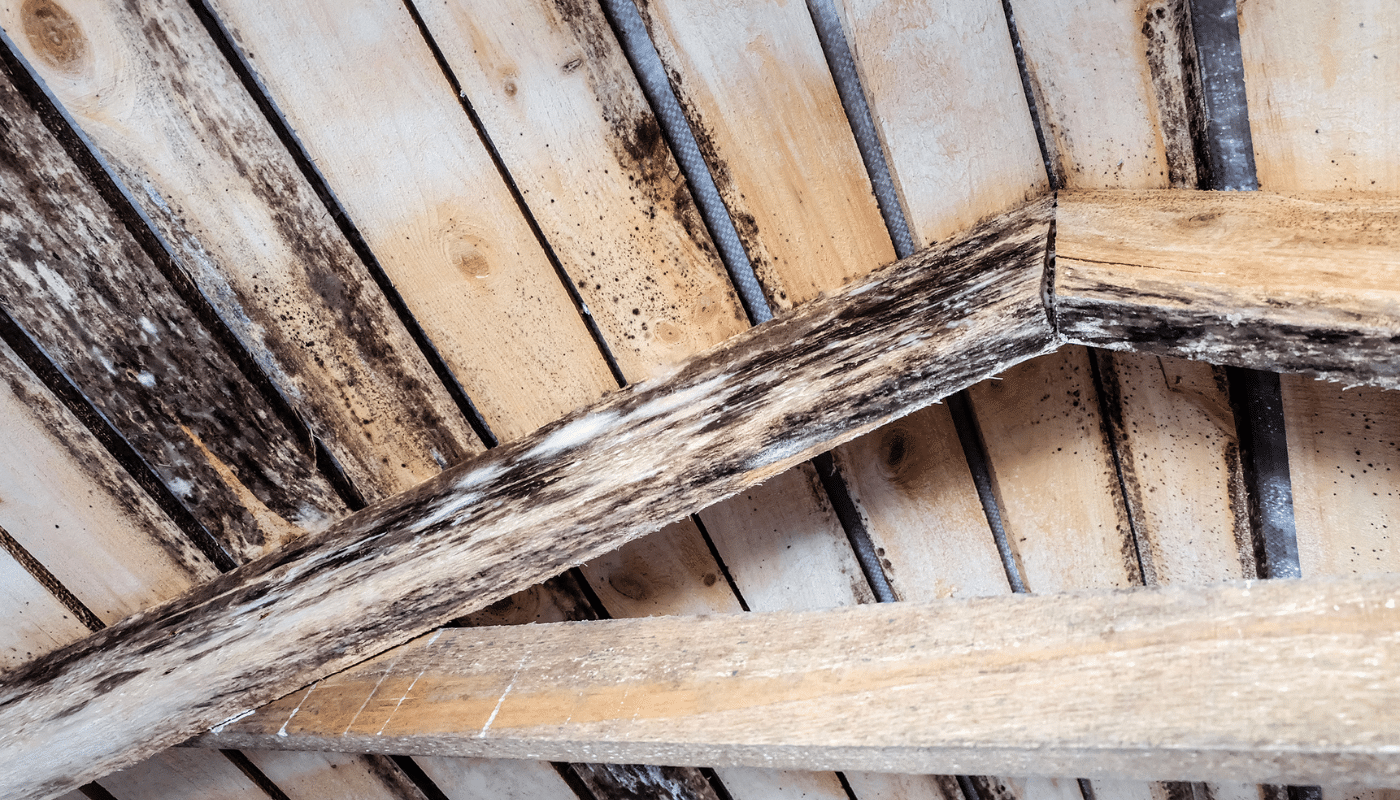 If you’ve lived in Cocoa for any length of time, you already know what Florida humidity can do. Step outside in July and you feel it instantly. Now imagine that same moisture trapped inside your attic — sitting on wood framing, insulation, and roof decking for months at a time.
That’s where mold problems begin.
Attics in Cocoa homes are one of the most common places we find hidden mold growth. And removing it isn’t as simple as spraying a product and calling it done. Attic mold removal presents very specific challenges, especially in coastal Brevard County conditions.
Let’s walk through why attic mold happens here, what makes removal tricky, and how professional remediation properly addresses the issue.
Why Attic Mold Is So Common in Cocoa
Cocoa sits along Florida’s Space Coast, where humidity stays high most of the year. Add heavy summer storms, hurricane season, salt air exposure, and aging roof systems — and attics become vulnerable fast.
Here’s what typically causes attic mold in this area:
1. High Humidity Year-Round
Warm air rises. In Florida homes, that means humid air naturally migrates into attic spaces. Without proper ventilation, moisture lingers on:
- Roof decking
- Rafters
- Trusses
- Insulation
Even without a roof leak, condensation alone can trigger mold growth.
2. Poor Ventilation
Many older homes in Cocoa were built with minimal attic airflow. If soffit vents are blocked or ridge vents are insufficient, moisture has nowhere to escape.
3. Roof Leaks After Storms
Heavy rainstorms in Cocoa, Palm Bay, and Merritt Island frequently cause minor roof leaks. These leaks don’t always drip through ceilings. Instead, they dampen roof sheathing and framing — perfect conditions for mold.
4. AC Duct Condensation
HVAC ductwork running through hot attics sweats constantly during summer months. That moisture builds up and spreads across nearby wood surfaces.
5. Salt Air Exposure
Salt carried inland from coastal air accelerates material breakdown, making roof decking more vulnerable to moisture intrusion.
What Makes Attic Mold Removal Challenging
Removing mold from an attic is very different from cleaning a bathroom wall.
Here’s why.
Limited Access
Attics are tight, hot, and difficult to move around in safely. Technicians must navigate:
- Rafters
- Insulation
- Electrical wiring
- Low clearance areas
Proper containment becomes more complicated in confined spaces.
Extreme Heat
Cocoa attic temperatures can exceed 120°F during summer. Heat accelerates mold growth — and complicates safe remediation procedures.
Porous Materials
Roof decking and wood framing are porous. Mold roots (hyphae) penetrate below the surface. Surface cleaning alone does not fully remove contamination.
Hidden Moisture Sources
Without correcting the underlying moisture issue, mold returns quickly. Simply “killing” visible growth doesn’t stop the problem.
Spore Spread Risk
Disturbing attic mold without containment can spread spores into living areas through:
- Recessed lighting
- HVAC systems
- Ceiling penetrations
That’s why professional containment is critical.
Common Signs Cocoa Homeowners Notice
Many homeowners don’t inspect their attic regularly. Instead, they notice indirect warning signs:
- Musty odors inside the home
- Stains appearing on ceilings
- Increased allergy-like symptoms
- AC system working harder
- Higher indoor humidity
In some cases, homebuyers in Cocoa discover attic mold during inspections before closing. That’s when the full scope becomes clear.
Hidden or Overlooked Causes in Cocoa Attics
Attic mold isn’t always caused by a dramatic leak. Often, it develops slowly from overlooked issues.
Blocked Soffit Vents
Insulation frequently covers soffit vents, restricting airflow.
Bathroom Exhaust Fans Venting Into Attic
Instead of venting outside, some older homes release warm, moist bathroom air directly into the attic.
Improperly Sealed Roof Penetrations
Small gaps around vents, chimneys, or flashing allow storm-driven rain to seep in.
Duct Leaks
Conditioned air leaking into attic space changes temperature balance and increases condensation.
Homes in Melbourne and Sanford face similar conditions, but Cocoa’s coastal exposure adds another layer of moisture stress.
Why DIY Attic Mold Removal Usually Fails
It’s tempting to climb up with a spray bottle and try to clean visible spots. The problem?
- Bleach does not penetrate wood.
- Scrubbing spreads spores.
- Without containment, spores travel.
- Moisture problems remain unresolved.
DIY efforts often make the problem worse.
We’ve evaluated Cocoa homes where attic mold returned within months because the root cause — ventilation or roof leakage — was never corrected.
What a Professional Attic Mold Evaluation Includes
Before removal begins, a structured evaluation determines the scope and cause.
Visual Assessment
Inspecting roof decking, rafters, insulation, and ventilation systems.
Moisture Readings
Using meters to detect elevated moisture content in wood materials.
Thermal Imaging
Identifying hidden moisture pockets beneath roof sheathing.
Humidity Measurement
Confirming attic ventilation performance and indoor moisture levels.
Only after understanding the full picture should removal begin.
The Proper Attic Mold Removal Process
In Cocoa attic spaces, proper remediation follows a careful sequence.
1. Containment
Plastic sheeting and negative air machines prevent spores from entering living areas.
2. Air Scrubbing
HEPA filtration units clean airborne particles during removal.
3. Controlled Mold Removal
Depending on severity, techniques may include:
- HEPA vacuuming
- Surface cleaning with antimicrobial solutions
- Media blasting (for heavy contamination)
4. Structural Drying
If moisture is present, air movers and dehumidifiers stabilize materials.
5. Mold Encapsulation (If Necessary)
In cases of widespread staining or recurring moisture exposure, encapsulation may be applied to seal and protect wood framing.
6. Ventilation Corrections
Improving airflow through:
- Ridge vents
- Soffit vents
- Gable vents
Or correcting bathroom exhaust routing.
7. Roof Repairs
Addressing damaged flashing or compromised shingles.
At Inspections and More FL, we often find that correcting ventilation plays just as important a role as removing the mold itself.
Preventing Future Attic Mold in Cocoa Homes
Prevention focuses on moisture control.
Improve Ventilation
Ensure soffit vents remain clear and ridge vents function properly.
Maintain Roofing Systems
Schedule inspections after storms, especially during hurricane season.
Service HVAC Systems
Seal duct leaks and insulate ductwork properly.
Monitor Indoor Humidity
Keep relative humidity between 45%–55%.
Inspect Annually
Attic checks once a year — and after major storms — catch early warning signs.
Homes in Merritt Island, Palm Bay, and Cocoa Beach follow similar patterns, but Cocoa’s mix of older construction and coastal humidity makes proactive monitoring especially important.
Why Local Experience Matters in Attic Mold Removal
Attic mold in Arizona is one thing.
Attic mold in Cocoa, Florida is another.
Here, professionals must understand:
- Coastal humidity behavior
- Hurricane-driven rain patterns
- Slab foundation air movement
- Local building styles
- AC condensation dynamics
Without that local knowledge, removal efforts often miss key moisture contributors.
A professional familiar with Brevard County conditions can identify not just the mold — but why it developed.
A Practical Next Step for Cocoa Homeowners
If you suspect attic mold, or if your home recently experienced roof damage or humidity spikes, scheduling an evaluation early makes a difference.
Attic mold removal becomes more complicated the longer moisture remains unaddressed.
The goal isn’t panic.
It’s prevention and proper correction.
Cocoa’s climate will always include heat, storms, and humidity. Managing those conditions correctly protects your attic structure and prevents larger issues down the line.
When addressed properly — with containment, moisture control, and ventilation correction — attic mold can be resolved safely and effectively.
