
Why Mold Encapsulation Becomes Necessary in Palm Bay in Waterfront Homes
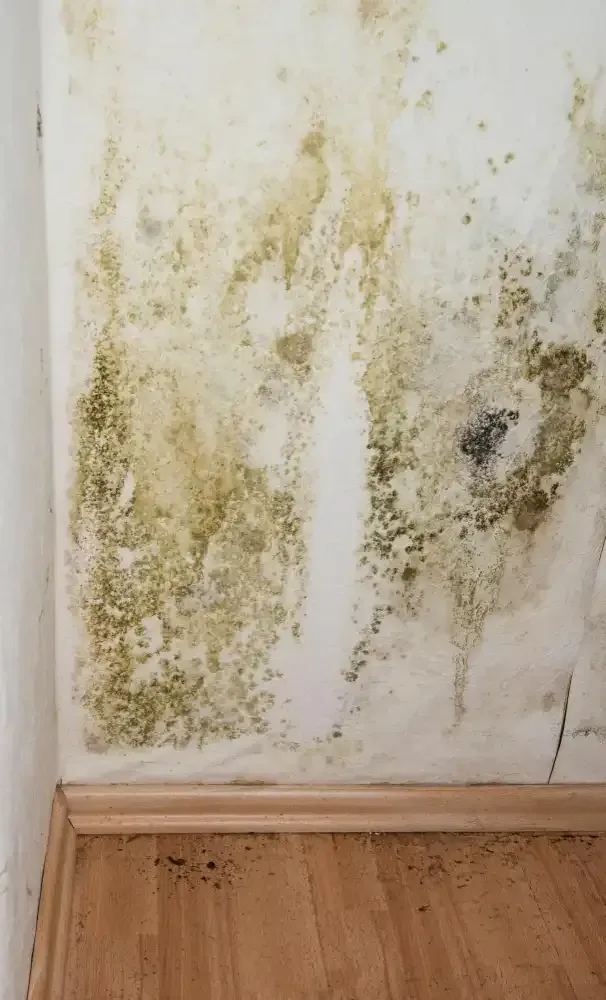 Living in Palm Bay has its perks. Waterfront views, ocean breezes, and access to the Indian River Lagoon make it one of the most desirable areas along Florida’s Space Coast. But if you own a waterfront home here, you already know that beauty comes with a tradeoff — constant moisture exposure.
Heavy humidity. Salt air. Afternoon storms. High water tables.
Over time, all of that moisture creates conditions where mold doesn’t just appear — it settles in deep. And in many waterfront properties, especially older homes or those with crawl spaces, mold encapsulation becomes not just helpful, but necessary.
Let’s talk about why that happens, what encapsulation actually means, and when Palm Bay homeowners should consider scheduling an evaluation.
What Mold Encapsulation Really Is
Mold encapsulation is not the same thing as simply cleaning mold.
It’s a professional remediation technique used after contaminated materials are cleaned or removed. A specialized sealant is applied to structural surfaces — such as wood framing, subflooring, or concrete — to:
- Lock down remaining microscopic spores
- Prevent future mold growth
- Create a moisture-resistant barrier
- Stabilize affected building materials
Encapsulation is often used in areas where removing structural components isn’t practical, such as:
- Crawl spaces
- Attics
- Framing inside wall cavities
- Subfloor systems
In waterfront homes in Palm Bay, these are exactly the areas most vulnerable to chronic moisture exposure.
Why Waterfront Homes in Palm Bay Face Higher Mold Risks
Palm Bay homes near the water deal with a very specific combination of environmental stressors.
Constant Humidity Exposure
Humidity in Palm Bay stays elevated for much of the year. Even when it’s not raining, moisture remains in the air. Waterfront homes experience even higher ambient humidity levels due to proximity to open water.
That moisture penetrates:
- Wood framing
- Insulation
- Subflooring
- Crawl space supports
Over time, those materials absorb moisture and become breeding grounds for mold.
Salt Air Corrosion
Salt carried in coastal air accelerates material breakdown. Corrosion affects metal fasteners, HVAC components, and even protective coatings. When materials degrade, they allow more moisture intrusion.
High Water Table
Palm Bay’s water table rises quickly after heavy rain. Waterfront homes and low-lying properties often experience:
- Damp crawl spaces
- Moisture wicking through slabs
- Persistent ground vapor
Even without flooding, moisture migrates upward into structural materials.
Storm Activity
Heavy rainstorms and hurricane systems regularly impact Brevard County. Wind-driven rain forces water into rooflines, soffits, and wall cavities.
We see similar patterns in Melbourne and Merritt Island, but Palm Bay’s waterfront properties often experience prolonged dampness due to slower drying conditions near the water.
Common Signs Encapsulation May Be Necessary
Encapsulation usually becomes part of the conversation after mold has already been identified.
Here are signs that suggest it may be needed:
- Repeated mold growth in crawl spaces
- Musty odors that return after cleaning
- Dark staining on framing lumber
- Soft or deteriorating subflooring
- Elevated humidity that won’t stabilize
- Mold growth on exposed attic rafters
In many Palm Bay waterfront homes, homeowners clean visible mold only to see it return months later. That’s often because moisture remains in the structure itself.
Encapsulation addresses the structure — not just the surface.
Hidden or Overlooked Problem Areas
Waterfront homes tend to hide moisture in places most homeowners never inspect.
Crawl Spaces
Crawl spaces in Palm Bay absorb ground moisture year-round. Without vapor barriers and proper sealing, wood supports remain damp for extended periods.
Attics
Salt air and humidity infiltrate attic ventilation systems. When combined with occasional roof leaks, mold develops on rafters and decking.
Behind Walls
Minor water intrusion from storms often goes unnoticed. Over time, that trapped moisture leads to mold inside wall cavities.
HVAC Systems
Ductwork running through humid attics sweats constantly. That condensation contributes to recurring mold issues around air handlers and vents.
At Inspections and More FL, we frequently evaluate waterfront properties where mold has returned multiple times because underlying moisture conditions were never fully stabilized.
Why DIY Cleaning Rarely Solves Waterfront Mold Problems
Many homeowners try:
- Bleach spraying
- Surface scrubbing
- Running dehumidifiers
- Installing temporary fans
While those efforts may remove visible mold, they don’t change the environmental conditions causing it.
Bleach does not penetrate porous wood.
Fans don’t lower structural moisture levels.
Dehumidifiers alone can’t dry saturated framing.
Without correcting moisture and sealing vulnerable materials, mold simply comes back.
That’s why encapsulation often becomes necessary in chronic waterfront cases.
What a Professional Evaluation Includes
Before recommending encapsulation, a proper inspection must confirm that conditions justify it.
A professional evaluation includes:
Visual Inspection
Checking structural framing, insulation, and surfaces for contamination patterns.
Moisture Meter Readings
Testing wood and drywall for elevated moisture content.
Thermal Imaging
Identifying hidden moisture pockets behind walls or ceilings.
Humidity Measurement
Confirming indoor relative humidity levels remain within safe ranges (ideally 45%–55%).
Source Identification
Determining whether issues stem from:
- Roof leaks
- Poor drainage
- HVAC condensation
- Crawl space vapor intrusion
Encapsulation should never be used to cover active moisture problems. The source must be corrected first.
The Proper Mold Encapsulation Process
When encapsulation becomes necessary in Palm Bay waterfront homes, the process follows a structured approach.
1. Containment
Work areas are isolated to prevent spore spread.
2. Mold Removal
Contaminated materials are cleaned or removed using safe remediation techniques.
3. Surface Preparation
Wood framing and structural surfaces are dried and treated with antimicrobial solutions.
4. Sealant Application
A professional-grade encapsulant is applied to:
- Crawl space framing
- Subflooring
- Attic rafters
- Structural supports
The coating seals porous surfaces and inhibits future mold growth.
5. Dehumidification & Air Scrubbing
Industrial equipment stabilizes humidity and removes airborne particles.
6. Ongoing Moisture Control
Recommendations may include:
- Vapor barrier installation
- Improved ventilation
- Drainage corrections
- AC system upgrades
Encapsulation becomes part of a long-term prevention strategy — not a temporary fix.
How to Prevent Recurring Mold in Palm Bay Waterfront Homes
Even after encapsulation, prevention remains essential.
Improve Crawl Space Protection
Install vapor barriers and ensure proper sealing.
Maintain Gutters and Drainage
Direct water away from foundations.
Service AC Systems Annually
Clear condensate lines and monitor duct insulation.
Monitor Indoor Humidity
Use hygrometers and keep humidity below 60%.
Inspect After Storms
Check attics, crawl spaces, and exterior walls for early signs of intrusion.
Schedule Periodic Evaluations
Waterfront properties benefit from routine moisture assessments, especially after hurricane season.
Homes in Cocoa, Melbourne, and Merritt Island follow similar patterns, but Palm Bay waterfront homes require especially consistent oversight due to constant moisture exposure.
Why Local Florida Experience Matters
Encapsulation in a dry climate looks very different from encapsulation in a coastal Florida environment.
Palm Bay homes face:
- High humidity year-round
- Salt air corrosion
- Elevated groundwater
- Repeated storm exposure
Understanding how moisture behaves in this region allows for accurate diagnosis and effective solutions.
Inspections and More FL evaluates waterfront homes with a clear understanding of local building styles, slab construction, crawl space challenges, and storm history. That regional knowledge prevents unnecessary work while ensuring structural protection when it’s truly needed.
A Practical Next Step for Waterfront Homeowners
If you own a waterfront home in Palm Bay and you’ve dealt with recurring mold — especially in crawl spaces or attics — it may be time to evaluate whether encapsulation is appropriate.
Encapsulation isn’t about hiding mold.
It’s about stabilizing vulnerable structures in a high-moisture environment and preventing repeated damage.
Florida’s coastal beauty isn’t going anywhere. Neither is the humidity.
Managing it correctly protects your property, your investment, and your peace of mind.
If something feels persistent or keeps returning despite cleaning, a professional evaluation can determine whether mold encapsulation is the right long-term solution for your home.
