
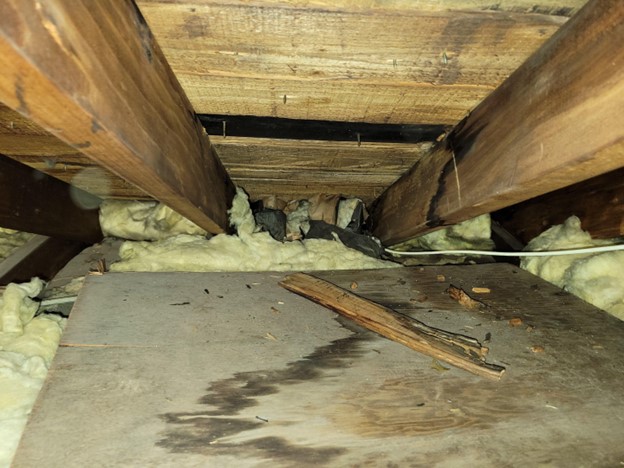
Why Moisture Detection Becomes Necessary in Palm Bay Following Hurricane Damage
When a hurricane passes through Palm Bay, the most obvious damage usually gets immediate attention — roof shingles, fallen fencing, visible water on floors. But what often goes unnoticed is the moisture that quietly seeps behind walls, under flooring, and into attic insulation.
In Florida’s humid coastal climate, that hidden moisture does not simply evaporate on its own. Without proper detection, it can remain inside structural materials for weeks. That’s why moisture detection becomes necessary following hurricane damage. It allows homeowners to identify hidden water before it turns into long-term structural problems.
Understanding why this step matters can save Palm Bay property owners significant time, cost, and disruption.
What Hurricane Damage Really Leaves Behind
Hurricanes bring more than heavy rain. They bring wind-driven moisture that can penetrate even well-built homes.
Water often enters through:
- Roof flashing gaps
- Lifted shingles
- Soffit and fascia openings
- Window seals
- Sliding door tracks
- Garage door seals
- Minor siding separations
Even if water intrusion seems minimal, it may have already migrated into:
- Drywall cavities
- Wood framing
- Insulation
- Subfloors
- Baseboards
Once inside these materials, moisture spreads laterally and downward.
Why Palm Bay Homes Are Particularly Vulnerable
Palm Bay’s environment creates conditions that slow drying and increase hidden moisture risks:
- High year-round humidity
- Coastal air exposure
- Frequent afternoon storms
- Hurricane season intensity
- High water tables
- AC systems running nearly constantly
After a hurricane, outdoor humidity remains elevated. Opening windows often adds moisture rather than helping dry the home.
Additionally, many Palm Bay homes sit on slab foundations. Concrete slabs can retain moisture and transfer it into flooring systems and lower wall sections.
Because of these factors, visible dryness does not mean structural dryness.
What Moisture Detection Actually Does
Moisture detection involves using specialized tools to measure water content inside building materials. It identifies areas where moisture may not be visible to the eye.
Common tools include:
- Moisture meters for drywall and wood
- Thermal imaging cameras to detect temperature differences
- Hygrometers to measure indoor humidity levels
These tools allow professionals to map the full extent of water migration.
Without moisture detection, hidden saturation often goes unnoticed until damage becomes visible.
Why Visual Inspection Alone Isn’t Enough
After hurricane damage, homeowners often rely on surface inspection. If walls look dry and floors feel solid, it’s easy to assume everything is fine.
However:
- Drywall can feel dry while the interior cavity remains wet.
- Insulation can trap moisture for extended periods.
- Framing can hold water internally even without staining.
- Tile flooring can conceal damp subfloors beneath.
Moisture detection verifies what cannot be seen.
Common Hidden Areas Affected After Hurricanes
In Palm Bay homes, we frequently detect hidden moisture in:
- Exterior wall cavities
- Attic insulation near roof penetrations
- Under laminate or hardwood flooring
- Around window frames
- Beneath baseboards
- Inside garage wall systems
- Along slab foundation edges
Water follows gravity and structural pathways. It rarely stays contained in one visible spot.
Why Early Detection Protects Your Property
When moisture remains inside materials, it can lead to:
- Warped wood framing
- Swollen drywall
- Flooring instability
- Insulation deterioration
- Persistent musty odors
Early moisture detection allows drying to begin before materials degrade further.
The sooner hidden moisture is identified, the less invasive and less expensive the recovery process tends to be.
How Moisture Detection Guides Structural Drying
Moisture detection is not just about finding water — it determines the correct drying strategy.
For example:
- If moisture is limited to lower wall sections, targeted drying may be sufficient.
- If insulation is saturated, removal may be necessary.
- If attic moisture is present, ventilation and airflow adjustments may be required.
- If slab seepage is detected, dehumidification must run longer.
Accurate detection prevents over-drying and under-drying.
Both extremes can create problems.
Why Hurricane Damage Requires Extra Caution
Hurricanes introduce water under pressure. Wind-driven rain can force moisture into small openings that wouldn’t normally leak during typical storms.
Additionally:
- Prolonged rainfall saturates exterior surfaces.
- Yard flooding can raise slab moisture levels.
- Power outages reduce AC drying capacity.
- High humidity slows evaporation after the storm passes.
These factors increase the likelihood of hidden moisture inside Palm Bay homes.
Even homes that appear undamaged from the outside may still contain internal dampness.
The Professional Moisture Detection Process
At Inspections and More FL, moisture detection following hurricane damage typically involves:
Step 1: Exterior Evaluation
Identifying potential entry points such as roof edges, flashing, and siding seams.
Step 2: Interior Moisture Scanning
Using thermal imaging to detect irregular temperature patterns that indicate moisture.
Step 3: Material Testing
Confirming moisture levels in drywall, framing, and flooring using calibrated meters.
Step 4: Humidity Assessment
Measuring indoor air conditions to determine if dehumidification is necessary.
Step 5: Mapping and Documentation
Creating a moisture map to guide drying equipment placement if required.
This structured approach ensures no affected areas are overlooked.
Why DIY Moisture Guessing Is Risky
Homeowners sometimes assume that if they can’t see water, the problem is gone. Unfortunately, hidden moisture can linger for weeks.
Common mistakes include:
- Relying on touch instead of measurements
- Running small fans without confirming dryness
- Delaying inspection until odors develop
- Repairing drywall before verifying moisture levels
Moisture trapped behind repairs can cause recurring issues later.
Detection before repair is critical.
Long-Term Prevention After Hurricane Season
Once a property has been evaluated and dried, Palm Bay homeowners can reduce future risk by:
- Inspecting roofing annually
- Sealing window and door frames
- Maintaining proper exterior drainage
- Servicing AC systems before storm season
- Monitoring indoor humidity regularly
Post-hurricane inspections are especially important in Florida’s coastal environment.
Why Local Experience Matters in Palm Bay
Moisture detection in Palm Bay requires understanding how Florida’s climate affects building materials.
Professionals must recognize:
- Slab foundation moisture behavior
- Coastal humidity influence
- Hurricane-driven rain patterns
- AC condensation cycles
- Local building construction methods
Detection strategies that work in dry climates often fail in humid coastal regions.
Inspections and More FL serves Palm Bay and surrounding Brevard County communities with experience specific to Florida hurricane recovery. Local knowledge ensures hidden moisture is identified accurately and addressed promptly.
A Practical Next Step After Hurricane Exposure
If your Palm Bay home experienced hurricane exposure — even without visible flooding — scheduling moisture detection is a practical and protective step.
Hurricanes don’t always leave obvious signs inside. Hidden moisture can quietly compromise structural materials if left unchecked.
Early detection allows for targeted drying, protects structural integrity, and helps maintain long-term property stability in Florida’s challenging climate.
