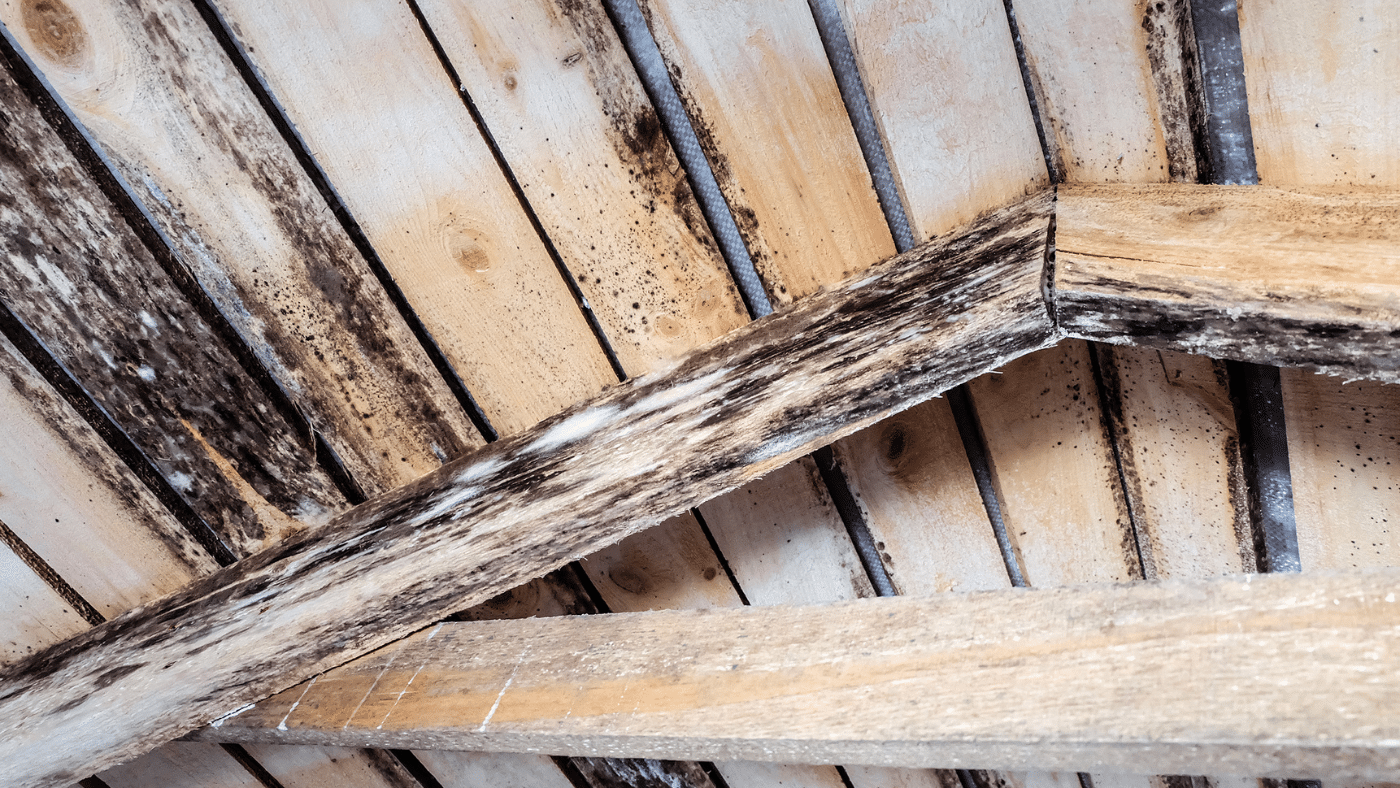
Why Mold Encapsulation Becomes Necessary in Melbourne in Coastal Properties
Living in a coastal property in Melbourne offers direct access to ocean air, waterfront views, and year-round breezes. But that same coastal environment brings constant humidity, salt air exposure, wind-driven rain, and seasonal storm activity. Over time, these environmental pressures affect structural materials—especially in attic spaces, crawl areas, and wall cavities.
When moisture becomes persistent, mold growth can develop on structural framing, roof decking, and subfloor systems. After proper remediation and drying, mold encapsulation may become a necessary step to protect those materials long term.
Encapsulation is not about hiding a problem. It is a protective measure used after contamination has been addressed. In Melbourne’s coastal climate, encapsulation often plays an important role in stabilizing treated structural surfaces and reducing the risk of recurrence.
Understanding why encapsulation becomes necessary in coastal properties helps homeowners protect their investment with a long-term strategy.
Why Coastal Properties in Melbourne Face Higher Mold Risk
Melbourne’s proximity to the Atlantic Ocean and Indian River Lagoon creates a consistently humid environment.
Constant Humidity Exposure
Even on sunny days, coastal air carries elevated moisture levels.
Salt Air Corrosion
Salt exposure weakens metal fasteners, flashing, and structural connectors—creating entry points for water.
Wind-Driven Rain
Storms push rain horizontally into small gaps around windows, vents, and roof penetrations.
High Dew Points
Warm, humid air increases condensation risk on cooler surfaces.
Elevated Groundwater
After heavy rainfall, slab foundations may experience moisture migration.
These environmental factors create ongoing stress on structural materials.
When Mold Encapsulation Becomes Necessary
Encapsulation is considered after proper mold remediation has been completed.
It may become necessary when:
-
Structural wood has been affected by prior mold growth
-
Coastal humidity remains a constant pressure
-
Attic framing shows surface staining after cleaning
-
Crawl spaces experience long-term humidity exposure
-
Subfloor systems require additional moisture resistance
-
The home is in a high-humidity waterfront location
Encapsulation adds a protective barrier to treated surfaces.
Step 1: Correct the Moisture Source
Encapsulation should never be applied before identifying and correcting the moisture source.
Common moisture contributors in Melbourne coastal homes include:
-
Roof flashing failure
-
Damaged vent boots
-
Window seal deterioration
-
Sliding door threshold leaks
-
Poor attic ventilation
-
HVAC condensation issues
Moisture correction is the foundation of long-term success.
Step 2: Mold Remediation and Surface Cleaning
Before encapsulation, professionals perform thorough remediation.
This may include:
-
HEPA vacuuming affected framing
-
Antimicrobial cleaning
-
Removal of contaminated insulation
-
Containment where necessary
-
Safe disposal of damaged materials
Encapsulation is only effective on cleaned and stabilized surfaces.
Companies such as Inspections and More FL emphasize this step before recommending encapsulation.
Step 3: Structural Drying
Florida’s coastal humidity slows natural drying.
Dehumidifiers and air movers are often used to:
-
Reduce wood moisture content
-
Stabilize attic humidity
-
Dry crawl space framing
-
Ensure surfaces are ready for treatment
Encapsulation should not trap moisture beneath coatings.
Step 4: Evaluate Structural Integrity
Encapsulation is appropriate only when:
-
Wood framing remains structurally sound
-
No active mold growth is present
-
Moisture readings confirm dryness
-
Insulation has been replaced if necessary
If wood rot or structural compromise exists, replacement is required instead of encapsulation.
Step 5: Apply Encapsulation Coating
Encapsulation coatings are applied to treated structural components such as:
-
Roof decking
-
Rafters and trusses
-
Crawl space framing
-
Subfloor surfaces
These coatings:
-
Seal porous wood surfaces
-
Reduce future moisture absorption
-
Improve resistance to humidity
-
Provide added protection against mold re-colonization
Proper application ensures full coverage without trapping residual moisture.
Why Coastal Properties Benefit More From Encapsulation
In inland homes, humidity fluctuates more moderately.
In coastal Melbourne properties, humidity remains consistently elevated.
Encapsulation provides:
-
Additional moisture resistance
-
Improved durability of treated surfaces
-
Reduced odor absorption
-
Increased light reflectivity in attics and crawl spaces
-
Enhanced long-term stability
For waterfront homes exposed to constant humidity, encapsulation becomes part of a preventative strategy.
Cost Factors to Consider
Encapsulation costs vary depending on:
-
Size of affected area
-
Accessibility (attic, crawl space, wall cavity)
-
Amount of prior contamination
-
Insulation removal needs
-
Equipment usage during drying
-
Surface preparation requirements
Early intervention generally reduces total project costs.
Delays often lead to more extensive remediation.
Common Mistakes Homeowners Make
Encapsulation can fail if:
-
Applied over active mold
-
Moisture sources are not corrected
-
Surfaces are not fully dry
-
Ventilation deficiencies are ignored
-
Humidity control is not maintained
Professional evaluation ensures proper timing and application.
Preventing Future Mold in Coastal Melbourne Homes
Long-term protection requires multiple strategies.
Homeowners can reduce risk by:
-
Monitoring indoor humidity (45–55% range recommended)
-
Inspecting roof systems annually
-
Maintaining window and door seals
-
Checking attic ventilation
-
Servicing HVAC systems regularly
-
Inspecting crawl spaces after heavy rainfall
-
Scheduling post-storm evaluations
Encapsulation supports—but does not replace—routine maintenance.
Attic and Crawl Space Considerations
Attics and crawl spaces are particularly vulnerable in coastal environments.
Attic benefits of encapsulation include:
-
Protection against condensation cycles
-
Stabilization of roof decking
-
Improved insulation performance
Crawl space benefits include:
-
Reduced moisture absorption
-
Enhanced air quality
-
Lower risk of mold recurrence
These areas often experience the highest humidity exposure.
Why Local Experience Matters
Melbourne’s coastal conditions include:
-
Salt air corrosion
-
High dew points
-
Frequent summer storms
-
Hurricane season
-
Elevated groundwater
Professionals familiar with Melbourne, Palm Bay, Cocoa, Merritt Island, and Sanford understand how coastal humidity impacts structural materials.
Local expertise ensures encapsulation is recommended appropriately and applied correctly.
Long-Term Value of Mold Encapsulation
When performed correctly, encapsulation offers:
-
Structural protection
-
Reduced recurrence risk
-
Improved indoor air stability
-
Enhanced property value
-
Greater durability of treated materials
It is not a cosmetic solution—but a preventative measure in humid environments.
A Practical Takeaway for Coastal Homeowners
In Melbourne’s coastal properties, mold encapsulation becomes necessary when structural wood has been properly remediated but remains exposed to ongoing humidity pressure.
The key steps include:
-
Moisture source correction
-
Thorough remediation
-
Controlled drying
-
Professional evaluation
-
Careful application
-
Ongoing humidity monitoring
Coastal living means constant environmental exposure. Encapsulation provides an additional layer of protection that helps preserve framing, attic spaces, crawl areas, and subfloor systems.
By combining remediation with long-term moisture management, homeowners in Melbourne can protect their coastal properties from recurring mold challenges—ensuring durability and structural stability in Florida’s demanding climate.