
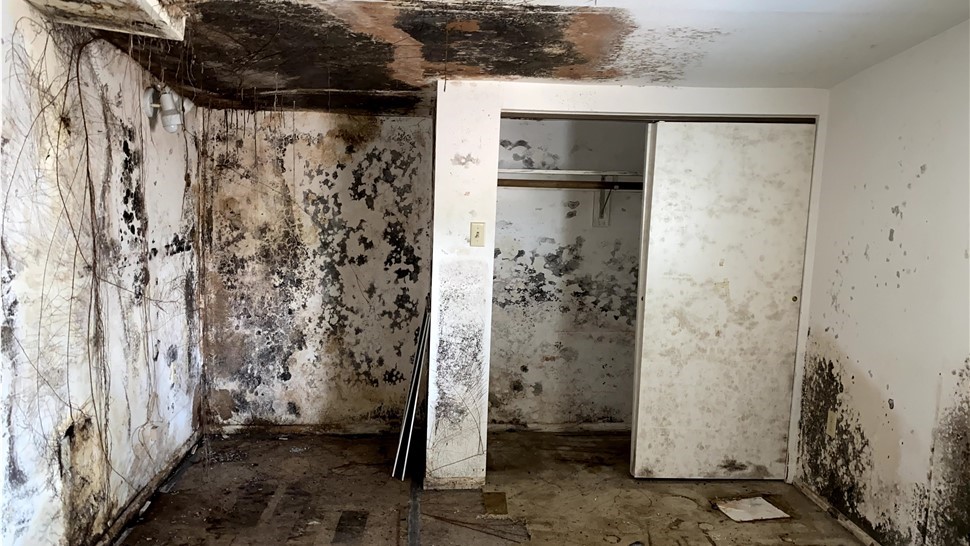
Why Mold Removal Becomes Necessary in Sanford in Coastal Properties
Sanford may not sit directly on the Atlantic shoreline, but its proximity to Lake Monroe, the St. Johns River, and Central Florida’s coastal weather patterns creates conditions very similar to traditional coastal environments. Homes in this area face constant humidity, frequent heavy rain, tropical storm exposure, and warm temperatures nearly year-round. Over time, these factors place steady moisture pressure on residential structures.
In Sanford’s coastal-influenced climate, mold removal becomes necessary not because of one dramatic flooding event, but because of repeated smaller moisture intrusions that go unnoticed. Minor roof vulnerabilities, AC condensation, slow plumbing leaks, and wind-driven rain can introduce moisture that lingers inside walls, ceilings, insulation, and flooring systems. In Florida’s humid conditions, moisture rarely dries on its own. When dampness remains trapped for extended periods, mold growth often follows.
Understanding why mold removal becomes necessary in Sanford coastal properties helps homeowners address moisture early and prevent long-term structural damage.
Coastal Climate Creates Continuous Moisture Exposure
Sanford’s environment produces consistent humidity levels. Even outside of hurricane season, homes experience:
- Elevated ambient moisture
- Frequent afternoon thunderstorms
- Seasonal heavy rainfall
- High dew points
- Warm indoor temperatures
These conditions mean building materials constantly absorb and release moisture. If ventilation is limited or small vulnerabilities exist, moisture begins accumulating in hidden spaces.
Over time, these repeated exposures weaken materials and increase the likelihood of mold growth.
Common Moisture Sources in Sanford Coastal Homes
Roof Vulnerabilities After Storms
Florida storms frequently create subtle roof damage. Wind can lift shingles, shift flashing, or open small gaps around vent penetrations. These openings may not produce immediate dripping inside living areas.
Instead, water may:
- Saturate attic insulation
- Dampen roof decking
- Travel along framing members
- Slowly seep into ceiling drywall
By the time staining becomes visible indoors, hidden moisture may have been present for weeks.
Air Conditioning Condensation
Air conditioning systems operate heavily in Sanford’s climate. Condensate drain lines can clog due to algae growth and debris. Rusted drain pans or improper drainage slopes can allow slow leaks.
Condensation-related moisture often affects:
- HVAC closets
- Ceiling cavities near air handlers
- Return air chases
- Vent boots
Because these leaks are gradual, mold can develop before obvious signs appear.
Plumbing Leaks
Small plumbing leaks under sinks, inside walls, or near water heaters frequently contribute to mold growth.
In humid environments, moisture does not evaporate quickly. Damp drywall and wood framing remain saturated longer, increasing mold risk.
Wind-Driven Rain Around Openings
Coastal storm systems push rain sideways into window frames and door seals. Repeated exposure can saturate wall cavities without immediate surface signs.
Homeowners may notice:
- Paint bubbling
- Slight trim separation
- Persistent musty odors
These subtle symptoms often signal deeper moisture problems.
Why Mold Develops Quickly in Sanford
Mold requires moisture, warmth, and organic material to grow. Sanford consistently provides warmth and humidity. Building materials such as drywall, wood framing, insulation, and dust provide organic surfaces.
If moisture remains present for even 24 to 48 hours, mold can begin developing. In coastal climates, natural drying is slow, allowing growth to expand.
The longer moisture remains unaddressed, the more extensive contamination can become.
What Homeowners Often Overlook
Hidden Wall Cavities
Visible mold on drywall often indicates deeper contamination. Moisture frequently spreads behind walls before appearing on surfaces.
Moisture mapping during professional inspections often reveals elevated readings beyond visible staining.
Attic Insulation Saturation
Wet insulation retains moisture against roof decking and framing. If not removed or thoroughly dried, attic mold growth can persist unnoticed.
Flooring and Slab Moisture
Many Sanford homes are built on slab foundations. Water may migrate beneath tile or laminate flooring.
Signs such as darkened grout or slight swelling may indicate moisture beneath the surface.
Elevated Indoor Humidity
Even without visible leaks, high indoor humidity encourages condensation on cool surfaces such as windows and ducts. Persistent humidity increases mold risk over time.
When Mold Removal Becomes Necessary
Mold removal becomes necessary when:
- Visible growth appears
- Musty odors persist
- Moisture readings remain elevated
- Structural materials are contaminated
- Indoor air quality concerns develop
Removal involves more than surface cleaning. It requires identifying the moisture source, removing contaminated materials when necessary, and stabilizing the environment to prevent recurrence.
The Mold Removal Process in Coastal Properties
Professional mold removal in Sanford typically includes:
Moisture Detection
- Visual inspection
- Moisture meter mapping
- Thermal imaging
- Humidity assessment
This ensures the full scope of contamination is identified.
Containment
Affected areas are isolated to prevent airborne spore spread during remediation.
Controlled airflow and negative pressure systems help protect unaffected rooms.
Removal of Contaminated Materials
Porous materials such as drywall and insulation may require removal if heavily affected.
Structural framing is cleaned and treated appropriately.
HEPA Air Scrubbing
Air scrubbers filter airborne spores and particulates during the remediation process, stabilizing indoor air conditions.
Structural Drying and Dehumidification
Commercial dehumidifiers and air movers reduce moisture levels and accelerate drying.
Drying continues until moisture readings return to safe baseline levels.
Source Correction
Without correcting the intrusion source — roof repairs, plumbing fixes, AC maintenance, or ventilation improvements — mold may return.
Preventing Mold in Sanford Coastal Homes
Long-term prevention strategies include:
- Routine roof inspections
- Regular AC maintenance and drain cleaning
- Monitoring indoor humidity levels
- Sealing windows and doors
- Improving attic ventilation
- Prompt repair of plumbing leaks
Proactive maintenance significantly reduces mold risk.
Why Local Experience Matters
Sanford’s coastal-influenced climate creates specific challenges:
- Persistent humidity
- Frequent storms
- Heavy AC usage
- Slab foundation construction
Professionals familiar with these local conditions understand how moisture behaves in Sanford homes and where hidden vulnerabilities typically exist.
Inspections and More FL approaches mold removal in Sanford with a structured, locally informed process focused on accurate moisture detection, controlled remediation, and long-term prevention.
A Practical Next Step
If your Sanford coastal property shows signs of persistent dampness, musty odors, or visible mold, early evaluation is critical. Hidden moisture rarely resolves without intervention in Florida’s climate.
Mold removal becomes necessary when moisture remains unaddressed. Acting promptly protects your home’s structural integrity, preserves indoor air quality, and reduces the likelihood of recurring damage.
In Sanford’s humid environment, consistent moisture management is essential. Identifying problems early ensures your property remains stable, dry, and protected for years to come.
