
Why Thermal Imaging Inspections Become Necessary in Palm Bay Inside Attic Spaces
In Palm Bay, attic spaces experience some of the harshest environmental conditions in the home. High coastal humidity, intense summer heat, heavy rainstorms, and salt-laden air all impact what happens above the ceiling. While homeowners often focus on visible roof damage or indoor humidity, many moisture issues begin quietly inside the attic.
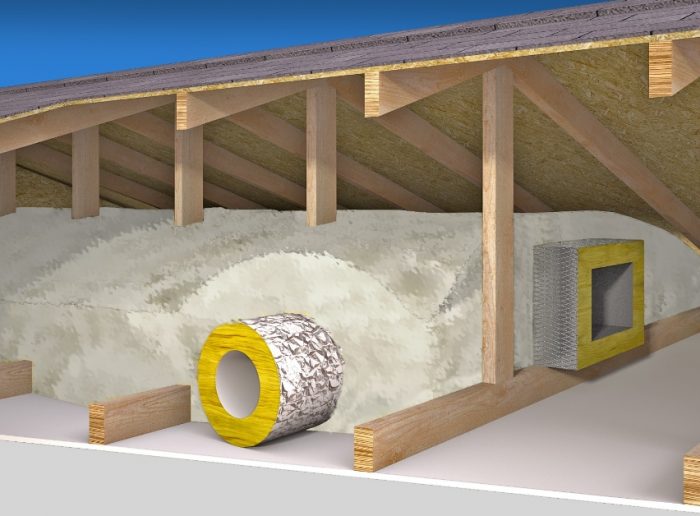
Attics in Palm Bay are not just storage areas. They house roof decking, rafters, insulation, and often HVAC duct systems. When moisture develops in these areas, it rarely stays confined. It spreads into framing, ceiling drywall, and sometimes even wall cavities. Because attic moisture is often hidden from everyday view, thermal imaging inspections have become an essential tool for identifying problems before they escalate.
Understanding why thermal imaging becomes necessary inside Palm Bay attics helps homeowners protect their properties from costly long-term damage.
What Makes Attic Moisture So Hard to Detect
Attic spaces are typically dark, hot, and difficult to access. Minor water intrusion or condensation may not be obvious during a quick visual check. Moisture can develop from:
- Small roof flashing failures
- Wind-driven rain during storms
- Cracked or aging shingles
- Poor attic ventilation
- AC duct condensation
- Blocked soffit or ridge vents
Water may soak into insulation and roof decking without producing visible ceiling stains right away. By the time a stain appears indoors, moisture may have already spread across a large portion of the attic.
Thermal imaging inspections help identify these hidden damp areas before visible signs develop.
Why Palm Bay Attics Are Especially Vulnerable
Palm Bay’s coastal environment increases attic moisture risk.
High Humidity Levels
Outdoor air contains significant moisture year-round. When humid air enters the attic, it raises the moisture content of wood and insulation.
Heavy Rain and Storm Activity
Frequent summer storms and tropical systems increase the likelihood of minor roof vulnerabilities.
Slab Foundation Homes
Many Palm Bay homes are built on slabs, meaning attic spaces carry HVAC ductwork. When ducts sweat in humid conditions, condensation forms overhead.
Heat and Temperature Differences
Attics reach extreme temperatures during summer. When humid air meets cooler surfaces, condensation develops.
Salt Air Exposure
Salt in coastal air accelerates wear on roofing materials and flashing.
Because of these factors, moisture inside attics may persist longer than homeowners expect.
How Thermal Imaging Inspections Work
Thermal imaging does not “see” water directly. Instead, it detects temperature variations in materials. Wet materials often cool at different rates than dry ones, creating patterns visible through infrared cameras.
A structured attic inspection typically includes:
Visual Examination
Checking roof decking, rafters, and insulation for visible signs of moisture.
Infrared Scanning
Using thermal cameras to scan large sections of roof decking and framing quickly.
Moisture Meter Verification
Confirming suspicious areas identified by infrared imaging.
Humidity Assessment
Evaluating attic and indoor humidity levels.
Thermal imaging allows inspectors to cover wide areas efficiently without invasive demolition.
When Thermal Imaging Becomes Necessary
Thermal imaging is particularly important when:
- A roof leak was recently repaired
- Indoor humidity remains elevated
- Musty odors are present
- Ceiling stains appear without clear source
- HVAC ducts run through the attic
- The home experienced recent heavy storms
It is also valuable during routine inspections, especially in older Palm Bay properties where roofing materials may be aging.
Problems Thermal Imaging Commonly Reveals
Infrared inspections inside attics often uncover:
- Wet insulation hidden beneath the surface
- Moist roof decking near flashing
- Condensation around HVAC ducts
- Moisture near vent penetrations
- Trapped humidity pockets in poorly ventilated areas
Identifying these issues early prevents them from spreading into ceiling drywall and wall cavities.
Cost Factors Associated with Attic Thermal Imaging
The cost of thermal imaging inspections in Palm Bay depends on several factors.
Size of the Attic
Larger homes require more scanning time.
Accessibility
Low-clearance or cluttered attics increase labor time.
Complexity of Roof Design
Multiple roof lines and penetrations require more detailed evaluation.
Equipment Use
Advanced infrared cameras and moisture mapping tools add precision.
Follow-Up Testing
Additional moisture verification may be needed if damp areas are discovered.
Early detection typically reduces overall repair costs by limiting the affected area.
Recovery Insights After Moisture Is Found
If thermal imaging reveals moisture, a structured response follows.
Source Identification
Roof flashing, shingle damage, or duct condensation issues are corrected.
Insulation Evaluation
Saturated insulation may require removal.
Structural Drying
Air movers and dehumidifiers stabilize affected framing.
Air Scrubbing
HEPA filtration helps manage airborne particles during drying.
Ongoing Monitoring
Moisture levels are tracked until materials return to acceptable levels.
Addressing moisture promptly prevents mold development and structural weakening.
Why Problems Return Without Thermal Imaging
Some homeowners repair roof damage but skip moisture verification. Without thermal imaging:
- Hidden damp zones may remain
- Insulation may stay wet
- Condensation issues go unnoticed
- Attic ventilation imbalances persist
Over time, these hidden problems lead to recurring humidity indoors.
Thermal imaging confirms whether the attic is truly dry.
Long-Term Prevention Strategies for Palm Bay Attics
Maintaining a dry attic requires ongoing attention.
- Inspect roof flashing annually
- Clear soffit and ridge vents
- Insulate HVAC ducts properly
- Monitor indoor humidity
- Schedule inspections after major storms
- Replace aging roofing materials proactively
Proactive attic maintenance reduces the likelihood of repeated moisture issues.
Why Local Experience Matters
Palm Bay’s coastal humidity behaves differently than in dry inland regions. Attic conditions respond to storm patterns, salt air exposure, and high groundwater levels.
Local professionals understand:
- How wind-driven rain enters roof systems
- How slab homes influence attic humidity
- How to interpret thermal imaging in humid climates
- When moisture is structural versus environmental
Inspections and More FL works within Palm Bay’s environmental conditions regularly, providing practical insight into attic moisture challenges.
A Practical Approach to Protecting Your Attic
Attic spaces are often overlooked until visible damage appears. In Palm Bay’s humid coastal climate, waiting for stains or odors can lead to costly repairs.
Thermal imaging inspections provide clarity. They allow homeowners to identify hidden moisture early, confirm successful drying after repairs, and prevent recurring problems.
In Florida, protecting the attic means protecting the entire structure. Early detection through thermal imaging keeps minor issues from turning into major expenses and ensures long-term stability in a demanding coastal environment.
