
Anti-Microbial Fogging in Melbourne After Hidden Water Intrusion: Cost Factors and Recovery Insights
Hidden water intrusion is one of the most overlooked problems in Melbourne homes. Unlike visible flooding or a dramatic roof leak, hidden moisture can develop quietly behind drywall, beneath flooring, or inside attic spaces. By the time a homeowner notices a musty odor or subtle discoloration on a wall, moisture may have already been present for weeks.
In Melbourne’s coastal climate — where humidity stays elevated most of the year — hidden water intrusion can quickly create the right conditions for microbial growth. When this happens, anti-microbial fogging may become part of the structured remediation process. However, fogging is not a standalone solution. It works only when paired with proper moisture detection, structural drying, and environmental control.
Understanding how anti-microbial fogging fits into recovery — and what influences cost — helps homeowners make informed decisions after hidden moisture is discovered.
What Hidden Water Intrusion Really Means
Hidden water intrusion occurs when moisture enters the structure without immediate visible signs. Common causes in Melbourne include:
- Slow plumbing leaks inside walls
- Roof flashing failures during storms
- Window seal deterioration
- AC condensate line clogs
- Duct sweating in hot attic spaces
- Minor foundation seepage
Because these leaks develop gradually, materials such as drywall, insulation, framing, and subflooring absorb moisture over time. The home may look fine on the surface while structural components remain damp internally.
In Florida’s warm environment, elevated moisture levels inside building materials create ideal conditions for mold development.
Why Melbourne Homes Are Especially Vulnerable
Melbourne’s coastal conditions make hidden water intrusion more challenging than in drier climates.
High Year-Round Humidity
Outdoor air consistently carries moisture, slowing evaporation indoors.
Slab Foundation Construction
Many homes are built on slabs. Moisture can migrate along slab edges and into lower wall sections.
Frequent Storm Activity
Wind-driven rain enters through small vulnerabilities that may not cause immediate staining.
Attic HVAC Systems
Ductwork located in hot attic spaces can sweat, introducing hidden moisture above ceilings.
Warm Temperatures
Heat accelerates microbial growth when materials remain damp.
Because of these environmental factors, hidden moisture can persist longer and spread farther.
When Anti-Microbial Fogging Becomes Necessary
Anti-microbial fogging is typically considered after the following steps have occurred:
- The moisture source has been corrected
- Damp materials have been dried
- Visible contamination has been cleaned
- Indoor humidity levels have been stabilized
Fogging uses a professional ULV (ultra-low volume) machine to disperse a fine anti-microbial mist throughout a contained area. The mist settles evenly on exposed surfaces, helping reduce residual microbial presence and stabilize the environment.
It is important to understand that fogging:
- Does not remove heavily contaminated materials
- Does not fix active leaks
- Is not effective on wet surfaces
It is a finishing step designed to support the overall remediation process.
The Structured Recovery Process in Melbourne Homes
A professional recovery plan after hidden water intrusion typically follows a clear sequence.
1. Moisture Detection
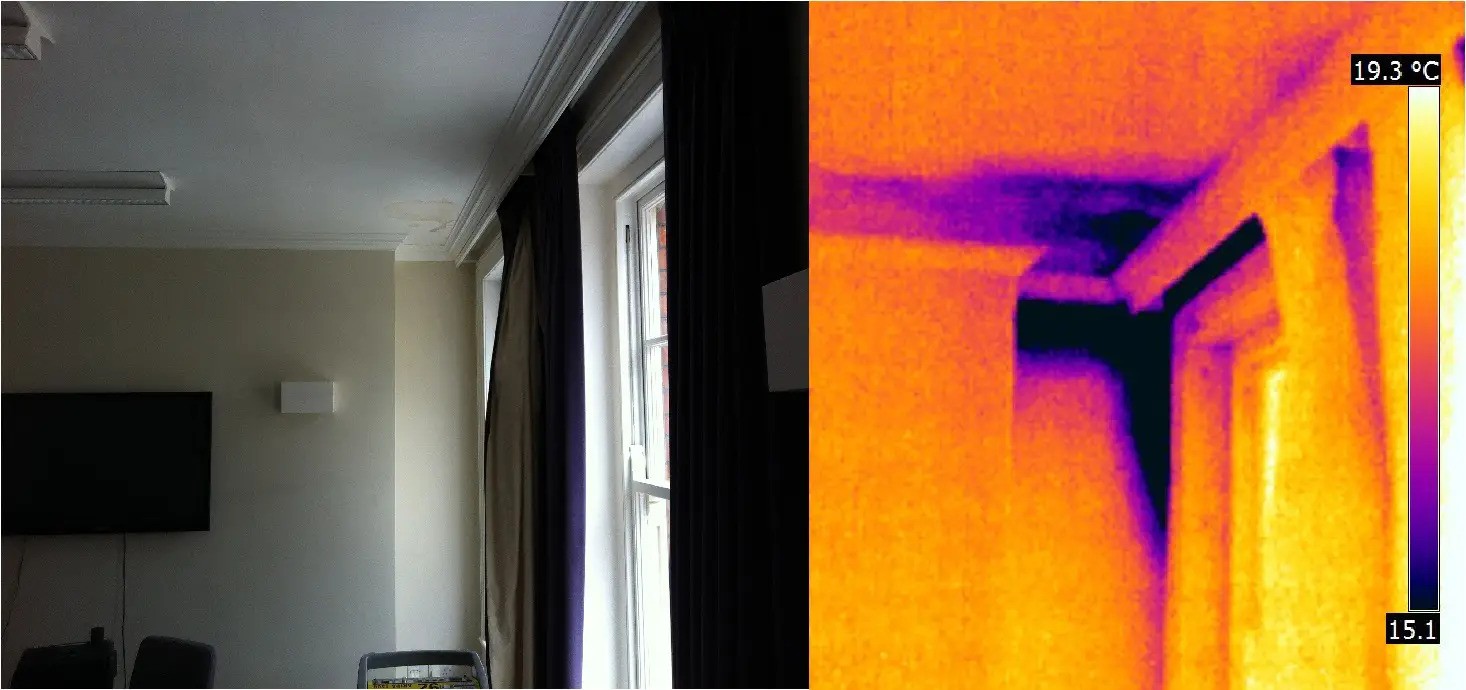
Moisture meters and thermal imaging identify hidden damp areas behind walls, ceilings, and flooring.
2. Source Repair
Leaking plumbing, flashing issues, or condensate problems are corrected.
3. Structural Drying
Commercial-grade dehumidifiers and air movers remove trapped moisture from building materials.
4. Air Scrubbing
HEPA filtration stabilizes airborne particles during cleaning and drying.
5. Surface Cleaning
Visible microbial growth is removed from framing, drywall, or other materials.
6. Anti-Microbial Fogging
Once surfaces are clean and dry, fogging is applied evenly within containment.
7. Post-Treatment Monitoring
Humidity and moisture levels are monitored to prevent recurrence.
Professionals like Inspections and More FL understand how Melbourne’s coastal humidity affects drying timelines and fogging effectiveness.
Cost Factors That Influence Anti-Microbial Fogging
Several variables impact the total cost of fogging and related services.
Size of the Treated Area
Larger rooms, attics, or crawl spaces require more product and labor time.
Severity of Contamination
Heavier microbial presence increases cleaning requirements before fogging.
Extent of Moisture Spread
If water migrated widely before detection, additional drying time is required.
Containment Needs
Isolation barriers and negative air systems may be necessary to prevent cross-contamination.
Equipment Duration
Dehumidifiers and air scrubbers operate for varying lengths depending on moisture levels.
Accessibility Challenges
Tight attic or crawl space conditions increase labor time.
Early detection significantly reduces overall costs by limiting the affected area and drying time.
Recovery Insights: Why Timing Matters
The timing of professional intervention makes a substantial difference.
Early Detection
- Smaller affected zones
- Shorter drying periods
- Limited containment
- Reduced labor
- Lower equipment usage
Delayed Response
- Widespread contamination
- Extended drying timelines
- More demolition
- Increased labor and material costs
In Melbourne’s humid climate, even a few weeks of delayed action can expand the scope of remediation.
Why DIY Fogging Often Fails
Over-the-counter fogging products are frequently misused.
Common issues include:
- Fogging before cleaning
- Applying solution to damp materials
- Ignoring humidity imbalance
- Failing to contain the area
- No moisture verification
Without correcting the underlying moisture source, microbial growth may return.
Professional fogging ensures proper sequencing and environmental control.
Long-Term Prevention Strategies for Melbourne Homes
After remediation and fogging, moisture management becomes the priority.
- Monitor indoor humidity levels regularly
- Maintain HVAC systems and condensate lines
- Improve attic ventilation
- Inspect roof flashing annually
- Address minor leaks immediately
- Consider supplemental dehumidification systems
Consistent humidity control reduces the need for future fogging treatments.
Why Local Experience Matters
Melbourne’s coastal humidity behaves differently than inland environments. Slab construction, salt air exposure, and frequent storms influence how moisture migrates through structures.
Local professionals understand:
- Where hidden moisture commonly develops
- How to interpret thermal imaging in humid climates
- When fogging is appropriate
- How to prevent recurrence
Inspections and More FL works within these environmental conditions regularly, providing practical solutions tailored to Melbourne properties.
A Practical Perspective on Cost and Protection
Anti-microbial fogging in Melbourne after hidden water intrusion is not a quick fix. It is a carefully timed step within a complete remediation plan designed to stabilize indoor environments.
The biggest factor influencing cost is how early the issue is identified. Prompt moisture detection and thorough drying limit the size and complexity of remediation.
In Florida’s humid coastal climate, proactive moisture management protects structural materials, indoor air stability, and long-term property value. Acting early keeps recovery manageable and prevents minor hidden intrusion from turning into major expense.
