
When Indoor Air Feels Damp in Cocoa: A Closer Look at Structural Dryouts
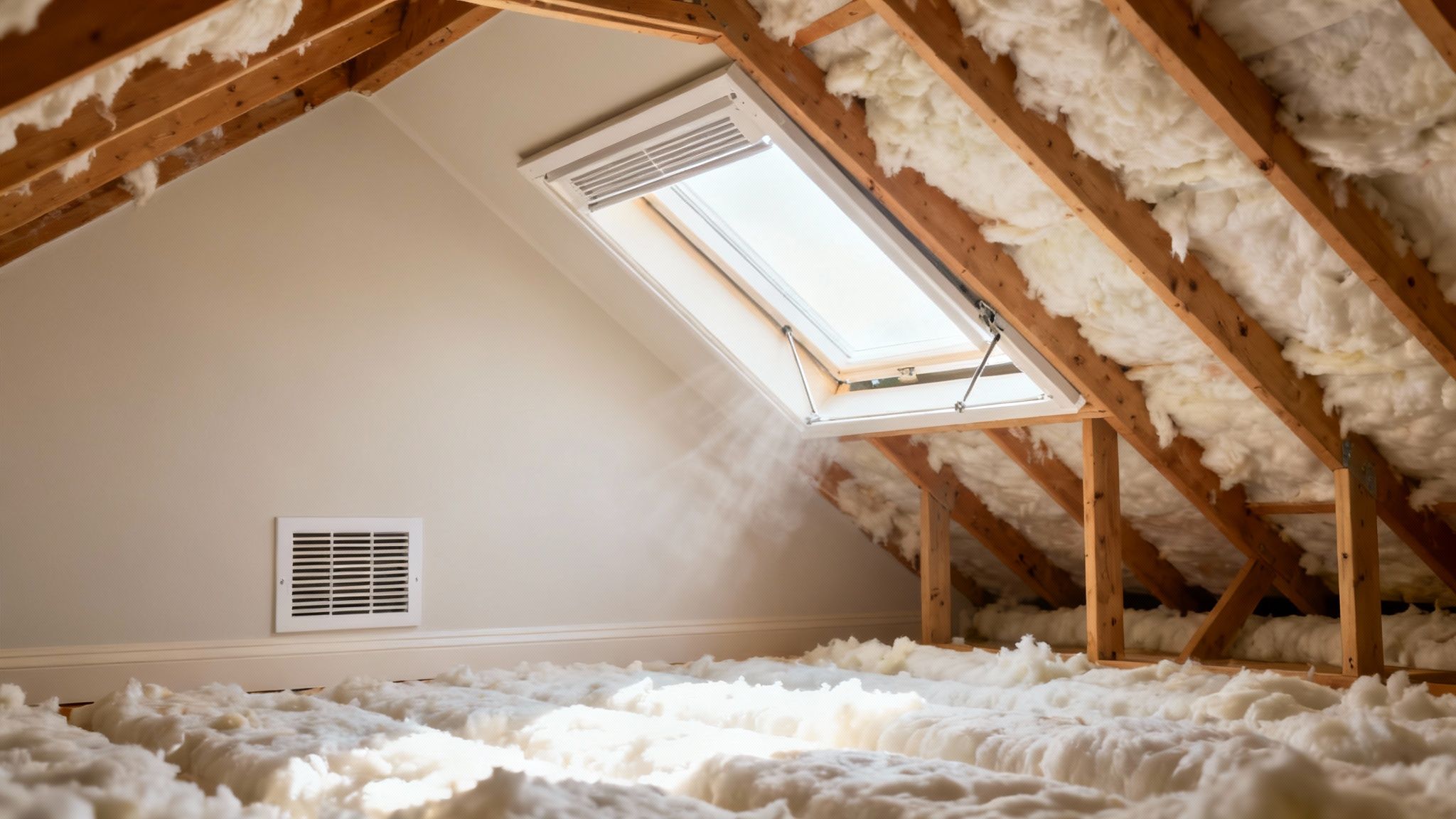
If your indoor air in Cocoa feels damp — even when it hasn’t rained — that heavy, slightly sticky feeling isn’t just uncomfortable. It’s often a sign that moisture is lingering somewhere inside the structure.
In Brevard County, humidity is part of daily life. Between coastal air, afternoon storms, high water tables, and AC systems running almost year-round, homes in Cocoa constantly battle moisture. Sometimes that battle is obvious — like a roof leak or plumbing issue. Other times, the only clue is air that feels heavier than it should.
When that damp feeling doesn’t go away, structural dryouts often become necessary.
Let’s take a closer look at what that means and why it matters in Cocoa homes.
Why Indoor Air Feels Damp in Cocoa
Cocoa’s location near the coast creates consistently high humidity levels. Even on clear days, moisture hangs in the air.
But when indoor air feels unusually damp, it’s usually tied to one of these factors:
- Minor roof leaks after storms
- AC condensation issues
- High crawl space humidity
- Slab foundation moisture transmission
- Poor attic ventilation
- Previous water damage that wasn’t fully dried
Humidity inside your home doesn’t just affect comfort — it affects structural materials.
Drywall, insulation, framing, and even flooring absorb moisture from the air over time.
When that absorption continues unchecked, the structure begins holding moisture long-term.
What a Structural Dryout Actually Is
A structural dryout is the controlled process of removing excess moisture from building materials — not just from the air.
It goes beyond running a household dehumidifier.
A proper structural dryout includes:
- Moisture detection using meters and thermal imaging
- Commercial-grade dehumidification
- High-velocity air movers
- Controlled airflow direction
- Daily moisture monitoring
The goal is to return structural materials to safe moisture levels before long-term damage occurs.
In Cocoa’s climate, natural evaporation is often too slow to rely on.
Hidden Places Moisture Lingers
When indoor air feels damp, moisture is often hiding in areas you can’t see.
Common hidden zones in Cocoa homes include:
Attics
Wind-driven rain or condensation dampens insulation and roof decking.
Wall Cavities
Small leaks travel downward along studs.
Crawl Spaces
High water tables and saturated soil raise humidity levels beneath the home.
Slab Foundations
Concrete absorbs moisture and slowly releases it into flooring.
Around HVAC Systems
Clogged condensate lines or oversized systems increase humidity.
These areas may look dry on the surface, but moisture meters often reveal elevated readings inside materials.
Why Damp Air Is a Warning Sign
Persistent damp indoor air typically indicates one of two things:
- Elevated humidity levels that aren’t being controlled
- Structural materials still holding moisture
In Cocoa, where humidity often exceeds 70%, materials don’t dry quickly on their own.
If moisture stays embedded inside:
- Wood framing swells
- Insulation loses efficiency
- Flooring adhesives weaken
- Odors develop
- Secondary damage risk increases
The longer moisture remains, the greater the structural stress.
When Structural Dryouts Become Necessary
A structural dryout is usually recommended when:
- Moisture readings show elevated levels in framing or drywall
- Damp air persists despite AC operation
- There has been recent roof or plumbing leakage
- Crawl space humidity remains high
- Flooring feels slightly warped or uneven
- Musty odors develop without visible mold
In many Cocoa homes, especially older properties or waterfront homes, repeated small moisture events add up over time.
Structural dryouts reset the moisture balance.
How the Structural Dryout Process Works
Step 1: Moisture Inspection
Thermal imaging identifies suspicious areas. Moisture meters confirm saturation levels.
Step 2: Source Correction
Roof leaks, flashing issues, plumbing leaks, or drainage problems must be addressed first.
Step 3: Equipment Setup
Commercial dehumidifiers remove moisture from the air. Air movers direct airflow across damp surfaces.
Step 4: Controlled Drying
Airflow patterns are adjusted to maximize evaporation without over-drying.
Step 5: Monitoring
Moisture readings are checked daily to confirm progress.
Drying continues until structural materials return to safe moisture ranges.
At Inspections and More FL, drying decisions are based on measured data — not assumptions.
Why Cocoa’s Climate Requires Professional Equipment
Florida’s humidity makes drying more complex than in dry states.
Opening windows often brings in more moisture.
Household fans move air but do not remove humidity.
Commercial dehumidifiers are designed to:
- Extract large volumes of moisture
- Operate efficiently in high humidity
- Support long-term drying
- Stabilize indoor air balance
In Cocoa’s climate, equipment capacity makes a significant difference.
Slab Homes and Damp Indoor Air
Many Cocoa homes are built on concrete slabs.
After heavy rain or plumbing leaks:
- Slabs absorb moisture
- Moisture migrates into flooring systems
- Indoor humidity rises subtly
Even if there’s no visible water damage, slab moisture can cause indoor air to feel damp.
Structural dryouts often include targeted drying of slab-adjacent materials.
Without it, humidity may remain elevated for weeks.
Crawl Spaces and Humidity Transfer
Homes with crawl spaces face a different challenge.
When soil beneath the home becomes saturated:
- Crawl space humidity spikes
- Moisture rises into living areas
- Floor joists absorb damp air
Structural dryouts sometimes include crawl space dehumidification and improved airflow.
Ignoring crawl space moisture can lead to repeated indoor humidity problems.
Preventing Future Damp Air Problems
Cocoa homeowners can reduce moisture risks by:
- Monitoring indoor humidity (keep below 60%)
- Servicing AC systems regularly
- Checking attic spaces after storms
- Ensuring proper roof flashing maintenance
- Inspecting crawl spaces annually
- Scheduling routine property evaluations
Storm cycles and coastal humidity aren’t going away — but moisture imbalance can be managed.
Why Local Experience Matters in Cocoa
Florida homes respond differently to moisture than homes in dry climates.
Local professionals understand:
- How coastal humidity impacts drying time
- How slab foundations transmit moisture
- How wind-driven rain behaves
- How high water tables influence crawl spaces
- How to interpret thermal imaging accurately in humid conditions
Experience across Cocoa, Merritt Island, Palm Bay, and Melbourne leads to more accurate moisture assessments and more effective structural dryouts.
Protecting Your Cocoa Home When Air Feels Damp
When indoor air feels damp in Cocoa, it’s usually a sign that moisture control needs attention.
Structural dryouts protect your property by:
- Removing embedded moisture
- Stabilizing framing and drywall
- Supporting healthy indoor humidity levels
- Reducing secondary damage risk
- Preventing long-term structural stress
Damp air is an early warning — not something to ignore.
If your Cocoa home consistently feels humid despite AC operation, a professional moisture evaluation can determine whether structural drying is necessary.
Addressing hidden moisture today protects your structure tomorrow — long before small problems turn into major repairs.
