
Why Moisture Detection Becomes Necessary in Merritt Island in Coastal Properties
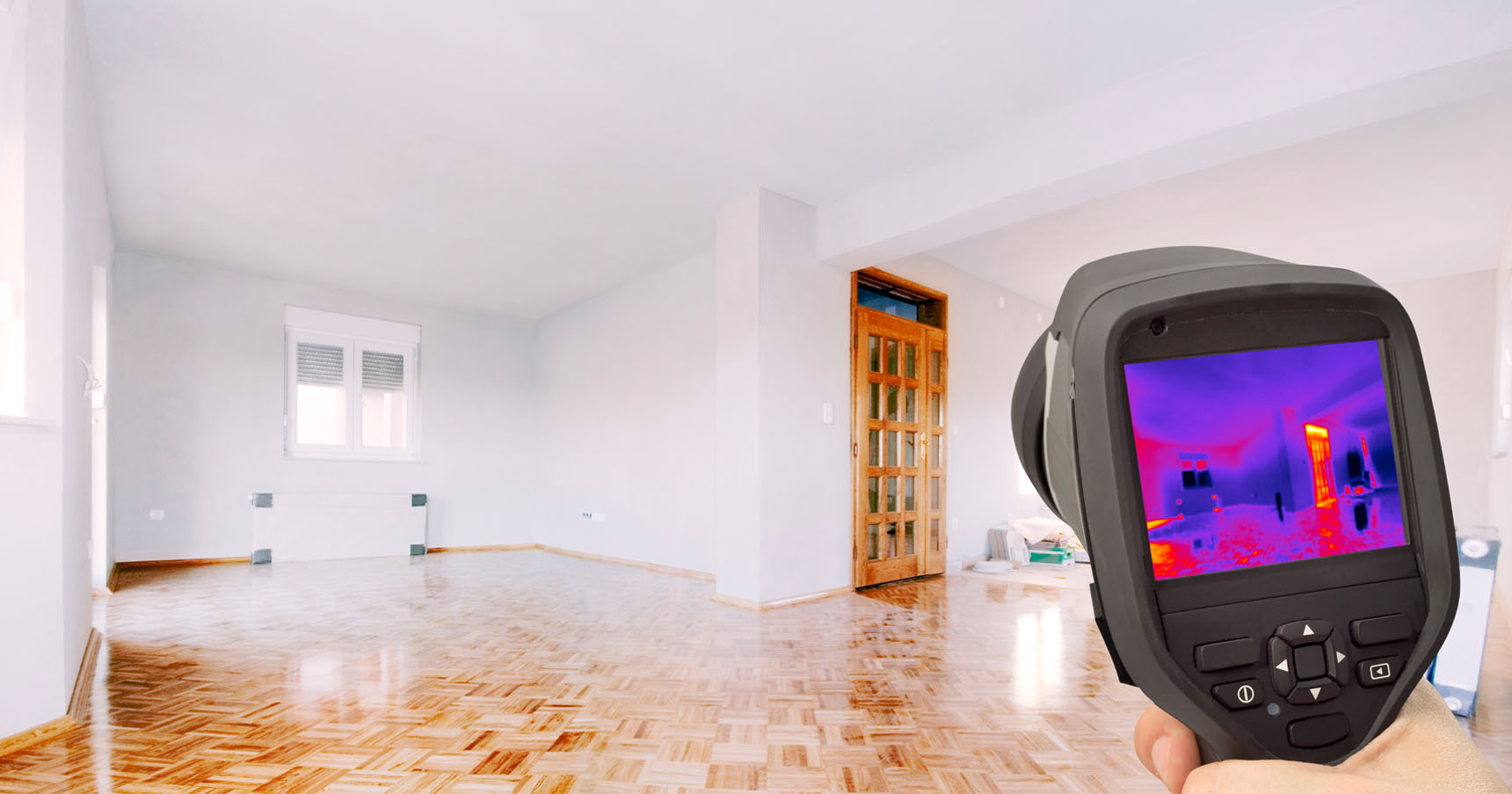
Living in Merritt Island means living with water all around you. Between the Indian River, the Banana River, canal systems, and frequent coastal storms, moisture is a constant part of the environment. Even on sunny days, the air carries humidity that most inland homes never experience.
For coastal properties in Merritt Island, moisture detection isn’t just a reaction to visible damage. It’s a proactive tool used to protect structures before small moisture issues turn into expensive repairs.
When you’re surrounded by water, moisture doesn’t always show up dramatically. It spreads quietly, seeps into structural materials, and lingers longer than you expect.
Let’s take a closer look at why moisture detection becomes necessary in coastal homes — and what inspections typically uncover.
The Coastal Moisture Reality in Merritt Island
Merritt Island properties deal with several unique environmental conditions:
- Elevated year-round humidity
- Salt-heavy air exposure
- Wind-driven rain during storms
- Higher groundwater levels
- Limited natural drying conditions
Even if your home hasn’t flooded or experienced a major leak, the environment itself constantly introduces moisture stress.
Over time, that stress affects:
- Roof systems
- Exterior walls
- Crawl spaces
- Slab foundations
- Window and door seals
- HVAC systems
Moisture detection helps determine whether that exposure has crossed the line from environmental humidity to structural concern.
Why Coastal Homes Hide Moisture So Well
Water intrusion in Merritt Island homes rarely announces itself loudly.
Instead, it often:
- Seeps behind siding
- Moves under shingles
- Travels along framing
- Collects in insulation
- Migrates under flooring
Because many homes in Merritt Island are slab-on-grade or elevated near water, moisture can spread laterally before surfacing visibly.
By the time you see:
- Ceiling stains
- Warped baseboards
- Musty odors
- Bubbling paint
…the moisture has often been present for days or weeks.
Moisture detection identifies problems before they reach that stage.
What Moisture Detection Actually Involves
Professional moisture detection uses specialized tools to measure hidden water content.
These tools typically include:
- Thermal imaging cameras
- Pin and pinless moisture meters
- Hygrometers for humidity readings
- Infrared surface scanning
Together, these tools allow inspectors to:
- Locate moisture behind drywall
- Detect damp insulation in attics
- Measure slab moisture levels
- Identify crawl space humidity problems
- Confirm whether drying is necessary
In coastal conditions, guesswork isn’t reliable.
Measurements provide clarity.
Common Moisture Sources in Merritt Island Coastal Properties
Moisture detection often reveals patterns specific to waterfront homes.
Wind-Driven Rain
Storm winds force water into small roof or siding openings.
Attic Vent Infiltration
Humid air enters through vents and condenses on roof decking.
Window and Sliding Door Seal Failure
Salt air degrades seals faster in coastal environments.
Crawl Space Humidity
High water tables increase moisture beneath homes.
Slab Moisture Transmission
Concrete absorbs groundwater and releases it slowly.
HVAC Condensation
AC systems work harder in humid environments, creating condensation around ducts and air handlers.
These sources don’t always create immediate visible damage — but they create elevated moisture levels that need monitoring.
Why Humidity Alone Can Trigger Structural Concerns
In Merritt Island, high humidity can be just as impactful as a leak.
When indoor relative humidity stays above 60%:
- Wood framing absorbs moisture
- Insulation becomes less effective
- Condensation forms on cooler surfaces
- Materials remain slightly damp
Over time, this creates ideal conditions for microbial growth and material deterioration.
Moisture detection helps determine whether elevated humidity is affecting structural components — not just indoor comfort.
What Inspections Typically Uncover
Across Merritt Island and nearby Cocoa and Palm Bay, moisture detection commonly uncovers:
- Damp attic insulation after storms
- Elevated readings along exterior wall framing
- Moisture around window perimeters
- Crawl space humidity spikes after heavy rain
- Slab moisture affecting flooring systems
In many cases, the homeowner was unaware of any issue.
Early detection keeps minor concerns from escalating.
Why Timing Matters in Coastal Properties
Coastal homes face repeated exposure.
Storm season alone can bring:
- Multiple heavy rain events
- High winds
- Extended humidity cycles
If moisture is introduced but not detected, each subsequent storm adds to the problem.
Regular moisture detection inspections during or after storm season provide reassurance — or early intervention when needed.
Waiting for visible signs often means the issue has expanded.
The Role of Thermal Imaging in Coastal Homes
Thermal imaging plays a key role in Merritt Island inspections.
Because coastal homes experience frequent temperature changes, thermal cameras help identify cooler zones where moisture may be present.
However, thermal imaging must be paired with moisture meters for confirmation.
Coastal humidity can create temperature variations unrelated to moisture, so local experience interpreting results is critical.
Why DIY Moisture Checks Aren’t Enough
Touching drywall or relying on visual inspection alone rarely tells the full story.
Moisture often hides:
- Behind cabinets
- Inside wall cavities
- Under tile flooring
- Beneath attic insulation
- Along slab edges
Professional equipment detects what the eye cannot see.
In coastal Florida, subtle moisture changes can have long-term impact if ignored.
Preventing Structural Damage Through Early Detection
Moisture detection protects Merritt Island properties by:
- Identifying hidden water spread
- Guiding targeted drying
- Preventing repeated humidity cycles
- Reducing mold risk
- Protecting structural framing
- Preserving insulation performance
Early detection limits repair zones and reduces long-term costs.
In waterfront homes, prevention is far less disruptive than remediation.
Why Local Experience Matters in Merritt Island
Coastal Florida properties behave differently than inland homes.
Local professionals understand:
- How tidal patterns influence groundwater
- How salt air accelerates material wear
- How humidity shifts seasonally
- How slab and elevated homes respond differently to moisture
Experience across Merritt Island, Cocoa, Melbourne, and Palm Bay leads to more accurate assessments.
At Inspections and More FL, moisture detection focuses on Florida-specific environmental patterns — not generic guidelines.
Protecting Your Merritt Island Coastal Property
Moisture detection becomes necessary in Merritt Island coastal properties because water exposure isn’t occasional — it’s constant.
Regular inspections help ensure that:
- Storm-related moisture hasn’t spread
- Slab and crawl spaces remain stable
- Attic systems aren’t trapping humidity
- Window seals are intact
- Structural materials stay within safe moisture levels
Living near the water is a privilege — but it requires proactive property care.
If your coastal home in Merritt Island hasn’t been evaluated recently, especially after heavy rain or storm season, moisture detection provides clarity and peace of mind.
Moisture spreads quietly in coastal environments. Detecting it early protects your structure long before visible damage appears.
