
Dehumidification in Melbourne During Storm Season: A Step-by-Step Explanation

Storm season in Melbourne, Florida is no joke. Between sudden downpours, lingering humidity, and the occasional tropical system pushing through Brevard County, homes here absorb moisture fast. Even properties that look perfectly sealed from the outside can trap humidity inside walls, under flooring, and throughout HVAC systems.
In areas like Melbourne, Palm Bay, Cocoa, Merritt Island, and Sanford, we regularly see what happens after several days of heavy rain. The air feels damp. Floors start to cup. A faint musty odor appears. Sometimes there’s no visible damage at all — just that uncomfortable, sticky indoor feeling that won’t go away.
That’s where professional dehumidification becomes essential. It’s not just about drying wet surfaces. It’s about controlling moisture at a structural level before mold and long-term damage take hold.
Let’s walk through the step-by-step process and explain how proper dehumidification protects Melbourne homes during storm season.
What Dehumidification Really Means
Many homeowners assume dehumidification simply means running a small store-bought unit in the hallway. While those can help with mild humidity, storm-season moisture in Florida often requires something far more controlled and strategic.
Professional dehumidification is a structured drying process designed to:
- Remove excess moisture from the air
- Lower indoor relative humidity to safe levels
- Pull moisture from porous materials like drywall and wood
- Stabilize indoor air conditions
- Prevent mold growth
In coastal cities like Melbourne, salt air and high water tables make moisture linger longer than expected. After storms, the outside humidity often remains above 80%, which means homes cannot dry naturally without mechanical assistance.
Why This Happens So Often in Melbourne
Storm season brings repeated rain cycles. One afternoon downpour might not cause visible damage, but back-to-back storms create cumulative moisture buildup.
Several local factors make Melbourne properties vulnerable:
Persistent Humidity: Even without rainfall, Florida air carries moisture year-round. After storms, that humidity spikes and stays elevated.
High Water Tables: In parts of Melbourne and Palm Bay, groundwater levels sit close to the surface. Prolonged rain can increase subfloor moisture and affect slab foundations.
AC System Strain: Air conditioners work overtime during storm season. When systems struggle or condensate lines clog, indoor humidity rises quickly.
Insulation Saturation: Attics and wall cavities can trap moisture from wind-driven rain or roof leaks.
Older Construction: Some homes in Cocoa and Sanford lack modern vapor barriers or updated ventilation, making them slower to dry.
This combination creates ideal conditions for hidden moisture pockets — even when there’s no standing water.
Common Signs Property Owners Notice
Storm-related moisture often shows up subtly. Melbourne homeowners frequently report:
- A persistent musty odor
- Indoor air feeling heavy or damp
- Windows fogging from the inside
- Hardwood floors beginning to warp
- Paint bubbling or peeling
- Rooms that feel warmer than usual
- Increased allergy-like symptoms
Sometimes, humidity meters show indoor levels above 60%, which is the threshold where mold growth becomes more likely.
If moisture remains unaddressed, it spreads into framing materials and insulation, creating long-term structural concerns.
Step-by-Step: The Professional Dehumidification Process
Step 1: Initial Moisture Assessment
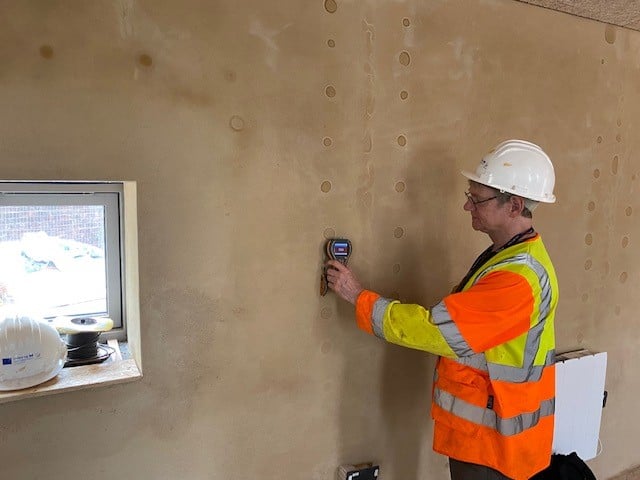
The process starts with a full visual and instrument-based inspection. Professionals evaluate:
- Indoor relative humidity levels
- Surface moisture readings
- Attic and crawl space conditions
- HVAC performance
- Signs of intrusion from roofing or windows
Thermal imaging may reveal cooler areas behind walls that indicate trapped moisture.
This step ensures the drying plan targets the actual source rather than guessing.
Step 2: Identifying the Moisture Source
Dehumidification alone isn’t enough if moisture continues entering the structure.
During storm season, common sources include:
- Minor roof leaks
- Window seal failures
- Clogged AC condensate drains
- Poor attic ventilation
- Ground moisture intrusion
Correcting the source prevents recurring humidity spikes after the drying process is complete.
Step 3: Controlled Equipment Placement
Professional dehumidifiers differ significantly from household models. They are designed to extract large volumes of moisture daily.
Strategic placement matters. Units are positioned to:
- Maximize airflow circulation
- Pull moisture from affected rooms
- Maintain balanced humidity levels
- Avoid over-drying certain areas
Air movers or blowers may be installed to encourage evaporation from damp materials.
Step 4: Monitoring and Adjusting
Storm-season drying isn’t a one-day fix. Conditions are monitored daily or every few days to ensure progress.
Technicians track:
- Relative humidity percentage
- Moisture content in drywall and wood
- Ambient temperature
- Equipment efficiency
If readings plateau, adjustments are made to airflow or equipment positioning.
This precision prevents secondary damage such as cracking drywall or warping trim.
Step 5: Final Stabilization and Verification
Once indoor humidity drops to safe levels — typically between 40% and 55% — final readings confirm structural materials have returned to normal moisture content.
At this stage, the home stabilizes, reducing the risk of mold growth or lingering dampness.
Companies like Inspections and More FL follow this structured approach because Florida homes require more than surface drying during storm season.
Hidden or Overlooked Moisture Zones
Melbourne properties often trap moisture in places homeowners rarely inspect:
- Behind baseboards
- Under laminate or hardwood flooring
- Inside HVAC ducts
- Beneath attic insulation
- Inside wall cavities
- Around window frames
Even small amounts of retained moisture can create long-term issues if ignored.
Why DIY Dehumidification Often Falls Short
Running a portable unit from a hardware store may reduce humidity in one room, but it rarely addresses structural moisture.
Common DIY limitations include:
- Insufficient extraction capacity
- Poor airflow distribution
- No moisture mapping
- Failure to correct intrusion sources
- Incomplete drying behind walls
Surface dryness does not equal structural dryness. Without monitoring tools, homeowners may assume the issue is resolved when moisture still exists inside materials.
Proper Moisture Control Beyond Equipment
Dehumidification works best when combined with broader moisture control practices.
In storm-prone areas like Merritt Island and Cocoa, prevention strategies include:
- Cleaning gutters before heavy rain
- Inspecting roof flashing annually
- Ensuring AC drain lines are clear
- Improving attic ventilation
- Sealing window frames
- Checking crawl spaces after storms
Regular evaluations help catch early moisture buildup before it escalates.
Why Local Experience Matters in Melbourne
Florida storm conditions differ from other regions. What works in a dry inland state doesn’t apply to Brevard County.
Local professionals understand:
- How coastal air impacts indoor humidity
- How slab foundations retain moisture
- The role salt exposure plays in material breakdown
- Storm-driven rain intrusion patterns
- How high humidity affects AC efficiency
This localized knowledge allows faster, more accurate moisture diagnosis.
Inspections and More FL regularly works throughout Melbourne and surrounding areas, applying Florida-specific drying strategies rather than generic methods.
A Calm, Practical Next Step
Storm season doesn’t always leave visible damage, but hidden humidity can slowly compromise a home’s structure and air quality.
If your Melbourne property feels persistently damp after heavy rain, scheduling a professional moisture evaluation can bring clarity and prevent long-term issues.
Early dehumidification stabilizes materials, protects flooring and framing, and helps maintain a healthier indoor environment — even during Florida’s most humid months.
