
Why Mold Remediation Becomes Necessary in Cocoa in Coastal Properties
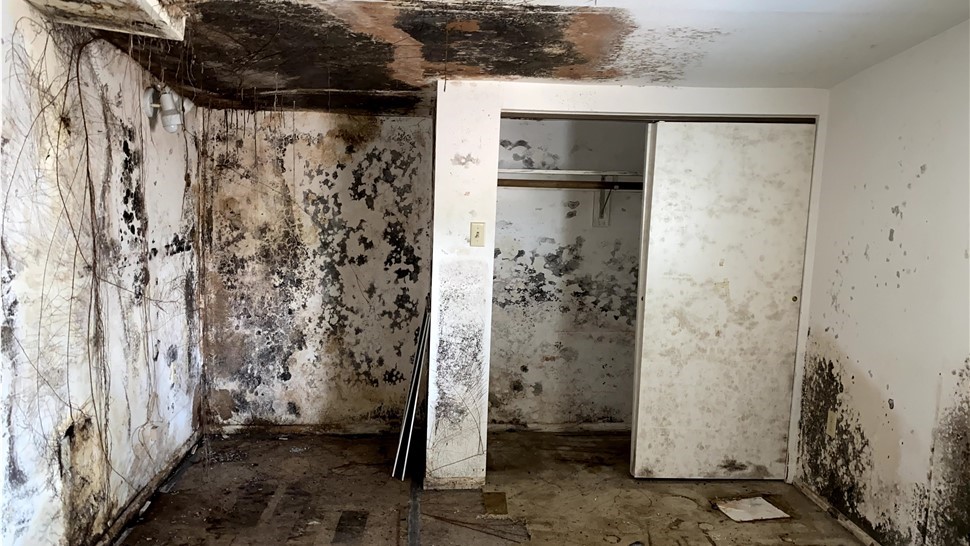
Living in Cocoa has its perks. You’re close to the water, you get ocean breezes, and the coastal lifestyle is hard to beat. But along with that salt air and humidity comes a reality many property owners don’t talk about enough: mold.
In coastal properties throughout Cocoa and nearby areas like Merritt Island, Melbourne, and Palm Bay, mold remediation becomes necessary far more often than most homeowners expect. It’s not always dramatic black patches covering walls. In many cases, it starts quietly — behind baseboards, inside attics, under flooring, or inside ductwork.
If you own a home, rental property, or manage a coastal building in Cocoa, understanding why mold remediation becomes necessary can help you act early and protect your investment.
What Mold Remediation Really Means
Before we go further, let’s clear something up.
Mold remediation is not the same as wiping a surface with bleach.
Remediation means:
- Identifying the moisture source
- Containing the affected area
- Removing contaminated materials safely
- Cleaning and treating structural surfaces
- Preventing cross-contamination
- Controlling humidity moving forward
In coastal Cocoa properties, remediation often becomes necessary because moisture exposure isn’t a one-time event. It’s ongoing.
Why Coastal Properties in Cocoa Are More Vulnerable
Cocoa sits close to the Atlantic and along the Indian River Lagoon. That proximity to water creates conditions that make mold growth more likely than in inland areas.
Persistent Humidity
Humidity in Cocoa stays high year-round. Even when it’s not raining, moisture remains in the air. When indoor humidity rises above 60%, mold spores have the environment they need to activate and grow.
In many coastal homes, indoor humidity quietly hovers in that danger zone.
Salt Air Exposure
Salt in coastal air doesn’t just corrode metal. It also affects building materials. Over time, salt exposure can:
- Break down protective coatings
- Weaken window seals
- Deteriorate HVAC components
- Allow small openings for moisture intrusion
That small amount of intrusion, repeated over months or years, creates hidden damp zones.
Storm-Driven Rain
Cocoa sees heavy rain during storm season. Wind-driven rain can penetrate:
- Roof flashing
- Window frames
- Exterior siding
- Soffits and attic vents
Even minor infiltration that goes unnoticed can saturate insulation or drywall.
High Water Table
In some parts of Cocoa, the water table sits high. Prolonged rainfall can increase ground moisture levels, affecting slab foundations and crawl spaces.
Moisture doesn’t have to flood a home to create a mold issue. It just has to linger.
Common Signs Mold Remediation May Be Necessary
Coastal mold problems rarely start with obvious visible growth. Property owners often notice subtle changes first.
In Cocoa homes, we frequently hear about:
- A persistent musty odor
- Indoor air feeling heavy or damp
- Dark staining along baseboards
- Peeling paint near windows
- Warping wood floors
- Allergy-like symptoms indoors
- HVAC systems running constantly
Sometimes mold grows behind walls for months before it becomes visible.
By the time staining appears, remediation is often necessary because the issue has already spread beyond surface level.
Hidden Moisture Zones in Coastal Homes
In Cocoa coastal properties, mold commonly develops in areas homeowners rarely inspect.
Behind Exterior Walls
Wind-driven rain and compromised seals allow moisture to collect inside wall cavities. Drywall may look fine while insulation behind it stays damp.
Under Flooring
Hardwood, laminate, and even tile installations can trap moisture underneath. Once subfloor materials absorb humidity, mold growth accelerates.
Attics
Attics in Cocoa homes often experience:
- Poor ventilation
- Condensation buildup
- Wind-blown rain intrusion
Insulation holds moisture like a sponge.
Crawl Spaces
In properties with crawl spaces, coastal humidity combined with high groundwater levels creates ideal mold conditions under the home.
HVAC Systems
Air handlers and ductwork in humid coastal environments can accumulate condensation. Mold inside ducts spreads spores throughout the house.
Why DIY Cleaning Doesn’t Solve the Problem
It’s common for homeowners to attempt surface cleaning first. Unfortunately, that rarely resolves coastal mold issues.
Here’s why:
- Bleach does not penetrate porous materials like drywall or wood.
- Surface wiping does not remove embedded spores.
- Moisture sources remain active.
- Disturbing mold without containment spreads spores.
Without correcting humidity levels and removing contaminated materials properly, mold returns — often worse than before.
Remediation becomes necessary when the growth extends beyond a cleanable surface.
When Remediation Is the Only Responsible Option
There are clear situations in Cocoa coastal properties where remediation isn’t optional.
These include:
- Mold covering more than a small, isolated area
- Mold inside wall cavities
- Recurring mold after cleaning attempts
- Mold contamination in HVAC systems
- Structural materials showing sustained moisture damage
- Strong persistent odor despite cleaning
At that stage, a structured remediation process protects both the property and indoor air quality.
What Professional Mold Remediation Involves
When remediation becomes necessary, the process follows a controlled sequence.
1. Inspection and Moisture Mapping
Professionals evaluate:
- Humidity levels
- Moisture readings in walls and floors
- Attic and crawl space conditions
- HVAC performance
- Source of water intrusion
Thermal imaging often reveals hidden damp zones.
2. Containment
Affected areas are isolated using containment barriers. This prevents spores from spreading to unaffected rooms.
Air scrubbers create negative pressure inside the containment zone.
3. Removal of Contaminated Materials
Porous materials that cannot be salvaged — such as heavily contaminated drywall or insulation — are carefully removed.
4. Cleaning and Treatment
Remaining structural surfaces are:
- HEPA vacuumed
- Cleaned using appropriate antimicrobial solutions
- Dried thoroughly
5. Dehumidification and Structural Drying
Industrial dehumidifiers and air movers reduce moisture to safe levels. Cocoa’s humidity requires precise monitoring to ensure stabilization.
6. Prevention and Source Correction
This is critical in coastal homes. Without correcting:
- Ventilation deficiencies
- Roof or window leaks
- Crawl space moisture
- AC condensation issues
The problem will return.
Companies like Inspections and More FL approach remediation with this complete process because coastal mold requires more than surface treatment.
Why Coastal Experience Matters
Mold in inland Florida homes behaves differently than in coastal properties.
In Cocoa, professionals must understand:
- Salt-driven material breakdown
- Storm infiltration patterns
- High groundwater influence
- Year-round humidity cycles
- Local building construction styles
Coastal properties often require long-term moisture management plans, not just one-time cleanup.
Experience in Cocoa and nearby areas like Merritt Island and Melbourne allows for faster diagnosis and more accurate solutions.
Prevention for Cocoa Coastal Properties
While remediation becomes necessary in many cases, prevention remains essential.
Coastal homeowners should:
- Monitor indoor humidity regularly
- Keep humidity between 40–55%
- Service AC systems annually
- Clean gutters before storm season
- Inspect roof flashing
- Improve attic ventilation
- Evaluate crawl spaces after heavy rain
- Schedule periodic moisture inspections
Small adjustments make a significant difference in coastal climates.
A Practical, Calm Next Step
Owning property in Cocoa comes with environmental challenges. Mold remediation becomes necessary not because homeowners neglect their properties, but because coastal conditions naturally increase moisture exposure.
The key is acting early.
If you notice musty odors, recurring staining, or persistent indoor humidity after storms, a professional evaluation can determine whether remediation is required.
Addressing the issue properly protects structural materials, preserves indoor air quality, and maintains property value — especially in Florida’s coastal climate.
