
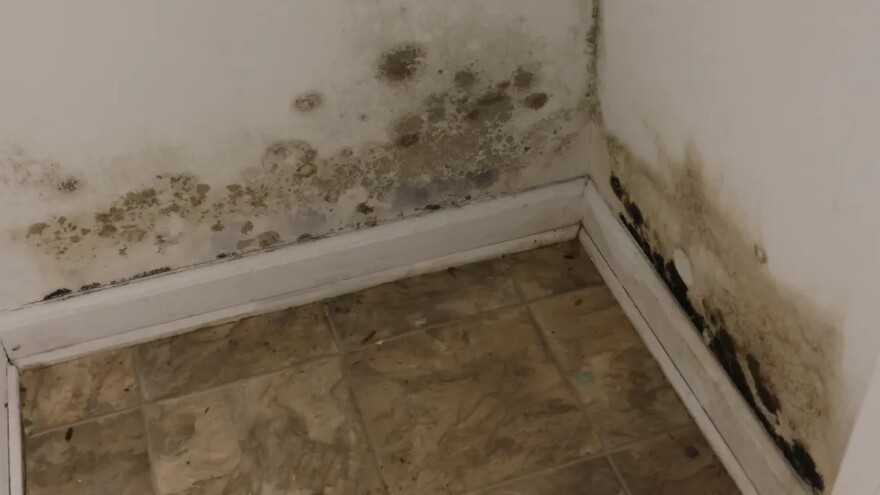
How Mold Remediation Protects Properties in Cocoa After Hidden Water Intrusion
Hidden water intrusion is one of the most common and underestimated problems affecting homes in Cocoa. Unlike a burst pipe or visible flooding, hidden moisture tends to develop slowly and quietly. A small roof vulnerability after a storm, wind-driven rain around a window frame, a leaking pipe inside a wall, or an AC condensate issue can introduce water into structural materials without immediate signs. In Cocoa’s humid coastal climate, that trapped moisture does not evaporate quickly. Instead, it lingers — and that lingering moisture creates ideal conditions for mold growth.
When moisture remains concealed behind drywall, above ceilings, or beneath flooring, mold can begin forming within days. By the time a musty odor appears or minor staining becomes visible, contamination may already be present inside wall cavities or attic spaces. Mold remediation becomes necessary not just to remove visible growth, but to protect the structural integrity of the property and prevent ongoing damage.
Understanding how mold remediation protects Cocoa homes after hidden water intrusion helps property owners take action before minor issues turn into major repairs.
Why Hidden Water Intrusion Happens Frequently in Cocoa
Cocoa’s environment plays a significant role in moisture behavior. Homes in this area experience:
- High year-round humidity
- Frequent summer thunderstorms
- Tropical storm and hurricane exposure
- Wind-driven coastal rain
- Extended air conditioning use
Even well-maintained homes can develop small vulnerabilities. Roof flashing may loosen after heavy wind. Window seals may deteriorate over time. AC drain lines can clog due to algae growth. Minor plumbing leaks inside walls may go unnoticed for weeks.
Because these sources often do not create immediate puddling, water spreads quietly into insulation, drywall, and wood framing.
What Happens When Moisture Remains Trapped
When water enters a structure and remains trapped, several processes begin:
- Porous materials absorb moisture.
- Humidity inside enclosed spaces increases.
- Insulation becomes saturated and loses effectiveness.
- Wood framing stays damp.
- Mold spores begin growing on moist surfaces.
Cocoa’s warm climate accelerates this process. Mold can begin developing within 24 to 48 hours when moisture is present. If left unaddressed, growth can expand behind walls, inside HVAC systems, and throughout attic spaces.
Over time, trapped moisture can also weaken structural components and compromise building materials.
The Protective Role of Mold Remediation
Mold remediation is a structured process designed to restore environmental balance and protect the property. It goes far beyond wiping surfaces or applying cleaning solutions.
Moisture Detection and Mapping
The first step in protecting a Cocoa property is identifying the full extent of hidden water intrusion. Professionals use:
- Visual inspections
- Moisture meters
- Thermal imaging cameras
- Humidity assessments
These tools help locate damp areas behind walls, under flooring, and inside ceiling cavities. Detecting concealed moisture prevents incomplete remediation and ensures no hidden pockets remain.
Containment to Prevent Spread
Before removal begins, containment barriers are installed to isolate affected areas. Negative air pressure systems may be used to control airflow and prevent mold spores from spreading to unaffected parts of the home.
This step protects the rest of the property during remediation.
Removal of Contaminated Materials
Heavily affected porous materials such as drywall and insulation are removed when necessary. Cleaning alone is often insufficient if mold has penetrated deeply.
Removing contaminated materials eliminates active growth and reduces the chance of recurrence.
Cleaning and Surface Treatment
Structural framing and solid surfaces are cleaned using appropriate remediation methods. This step removes residual contamination and prepares the area for drying.
Air Scrubbing and Filtration
HEPA air scrubbers capture airborne mold spores during the remediation process. This stabilizes indoor air quality and reduces cross-contamination.
In Cocoa homes where air conditioning runs frequently, maintaining clean airflow is essential.
Structural Drying and Dehumidification
After removal and cleaning, commercial dehumidifiers and air movers reduce moisture levels in framing and surrounding materials.
Drying continues until moisture readings return to acceptable baseline levels. In Florida’s humid climate, natural evaporation alone is rarely sufficient.
Addressing the Moisture Source
The most critical protective step is correcting the original intrusion source. This may involve:
- Roof repair
- Window resealing
- Plumbing repair
- AC condensate line cleaning
- Ventilation improvements
Without resolving the source, mold can return even after thorough remediation.
Protecting Indoor Air Quality
Hidden mold growth affects more than structural materials. Airborne spores can circulate through HVAC systems, impacting indoor air conditions.
Mold remediation protects air quality by:
- Removing contaminated materials
- Filtering airborne particles
- Lowering indoor humidity
- Cleaning structural surfaces
Maintaining balanced humidity levels is especially important in Cocoa’s climate.
Preventing Long-Term Structural Damage
If hidden water intrusion is left untreated, prolonged moisture can weaken framing, deteriorate drywall, and reduce insulation performance. Over time, wood rot and structural compromise may develop.
Mold remediation protects properties by:
- Eliminating moisture-damaged materials
- Stabilizing framing components
- Restoring insulation performance
- Preventing further deterioration
Early intervention significantly reduces long-term repair costs.
Why Cocoa’s Climate Requires a Local Approach
Cocoa’s coastal environment presents specific challenges:
- Persistent humidity slows drying
- Heavy rain increases roof vulnerability
- Slab foundations allow moisture migration
- Continuous AC use increases condensation risks
Professionals familiar with Cocoa understand how moisture moves through local construction styles and adjust remediation strategies accordingly.
Inspections and More FL approaches mold remediation in Cocoa methodically, focusing on accurate moisture detection, complete containment, structural drying, and long-term prevention tailored to Florida properties.
Long-Term Prevention After Remediation
After remediation is complete, ongoing prevention becomes essential. Cocoa homeowners can reduce risk by:
- Inspecting roofs after major storms
- Cleaning AC condensate lines regularly
- Monitoring indoor humidity levels
- Improving attic ventilation
- Sealing exterior penetrations
- Addressing plumbing leaks promptly
Routine inspections help identify small vulnerabilities before they escalate.
A Practical Next Step
If your Cocoa property shows signs of hidden water intrusion — musty odors, ceiling staining, unexplained humidity, or recurring damp areas — early inspection can prevent more extensive damage.
Mold remediation protects your property by eliminating contamination, stabilizing moisture levels, and addressing the source of intrusion. In Florida’s humid coastal climate, moisture rarely resolves without intervention.
Taking prompt action helps preserve structural integrity, maintain indoor air quality, and protect your home from recurring mold issues long after the visible signs disappear.
