
Why Mold Removal Becomes Necessary in Sanford Under Hardwood Flooring
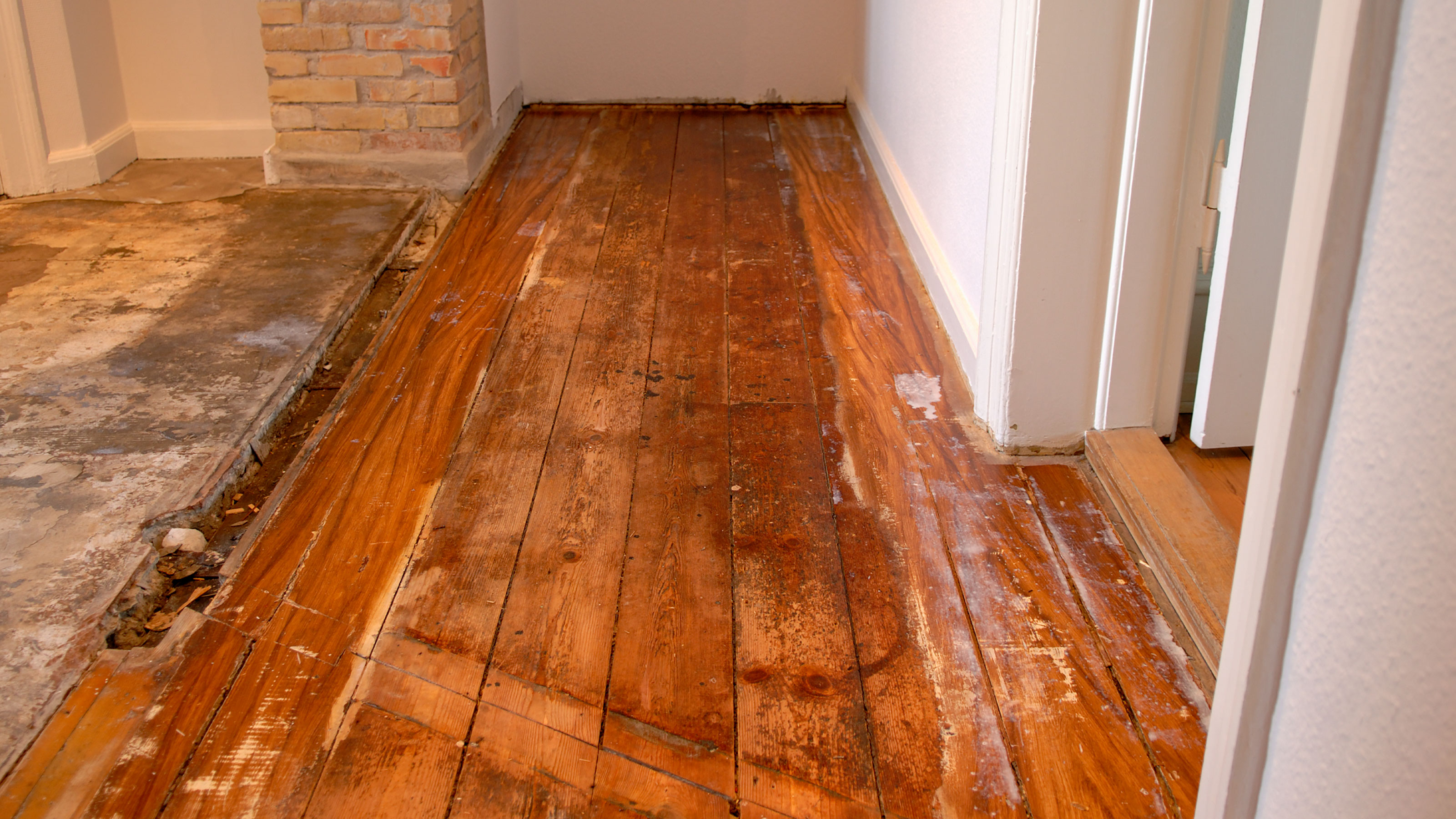
Hardwood flooring adds character and value to many Sanford homes. Whether it’s an older property near Lake Monroe or a renovated home in one of the growing neighborhoods, hardwood remains a popular upgrade.
But in Central Florida’s humid climate, hardwood can also hide a problem developing underneath.
When moisture becomes trapped below the surface, mold removal often becomes necessary — not because the flooring failed, but because humidity and hidden dampness created the right conditions.
Let’s take a closer look at why this happens in Sanford homes and how professionals approach the issue.
Why Hardwood Flooring Is Vulnerable in Sanford
Sanford’s environment creates steady moisture pressure on homes.
High Central Florida Humidity
Outdoor humidity levels frequently exceed 75–85%, especially during summer storm cycles. Indoor air absorbs that moisture unless properly controlled.
Hardwood is hygroscopic — it naturally absorbs and releases moisture from the air.
Slab Foundations
Most Sanford homes sit on concrete slabs. Concrete is porous and allows vapor transmission from the ground upward.
After heavy rain, slab moisture levels rise. That vapor can affect flooring materials installed above.
Plumbing and Appliance Leaks
Small leaks under sinks, near dishwashers, or inside bathroom walls often go unnoticed until moisture spreads beneath flooring.
AC Condensation Issues
Clogged drain lines or sweating ducts may introduce moisture into adjacent flooring areas.
All of these factors increase the risk of moisture collecting beneath hardwood planks.
How Mold Develops Under Hardwood
Mold requires two things:
- Moisture
- Organic material
Under hardwood flooring, you typically have:
- Wood planks
- Plywood subfloor
- Adhesives
- Dust and debris
When moisture becomes trapped between the slab and flooring system, airflow is limited. The area remains damp.
In Sanford’s warm climate, mold can begin forming within 24–48 hours of sustained moisture exposure.
Because hardwood hides the surface below, growth often goes undetected for weeks.
Common Signs Mold May Be Present Beneath Flooring
Sanford homeowners usually notice subtle changes first.
These may include:
- Musty odor in one room
- Slight cupping or warping of boards
- Dark staining along plank seams
- Soft or spongy spots underfoot
- Elevated indoor humidity
- AC running constantly
Sometimes the only warning sign is a persistent smell that doesn’t go away.
By the time visible warping appears, moisture has often been present for some time.
Why Surface Cleaning Doesn’t Solve the Problem
When mold develops beneath hardwood, cleaning the surface won’t address the issue.
Homeowners sometimes attempt:
- Running portable dehumidifiers
- Replacing a few planks
- Spraying cleaners between seams
- Using odor neutralizers
These steps may temporarily reduce symptoms but won’t eliminate hidden contamination.
If moisture remains under the floor, mold will return.
Proper removal requires accessing the affected materials.
How Professionals Detect Hidden Moisture
Before recommending removal, professionals perform thorough evaluation.
In Sanford homes, this often includes:
Moisture Meter Testing
Non-invasive meters measure moisture levels through flooring.
Thermal Imaging
Infrared scanning detects temperature variations suggesting trapped moisture.
Slab Moisture Testing
Checking vapor emission levels from concrete.
Humidity Monitoring
Ensuring indoor humidity remains between 45–55%.
Selective Floor Removal
Opening small test sections to confirm contamination extent.
At Inspections and More FL, the focus remains on identifying both mold presence and the source of moisture.
When Mold Removal Becomes Necessary
Removal becomes necessary when:
- Mold growth is confirmed under flooring
- Subfloor materials are contaminated
- Slab moisture remains elevated
- Structural components are affected
The process may involve:
- Removing damaged hardwood
- Cleaning or replacing subfloor sections
- Structural drying
- Anti-microbial treatment
- Encapsulation of treated surfaces (when appropriate)
- Moisture source correction
Skipping any of these steps increases recurrence risk.
The Role of Structural Drying
After removal, controlled drying is critical.
Air movers and commercial dehumidifiers:
- Reduce moisture in slab and framing
- Stabilize humidity levels
- Prevent further microbial growth
Sanford’s climate makes mechanical drying necessary. Natural air drying rarely works due to high outdoor humidity.
Preventing Mold Under Hardwood in Sanford
Long-term prevention focuses on moisture control.
Homeowners can:
- Maintain indoor humidity between 45–55%
- Install whole-home dehumidification systems
- Flush AC drain lines regularly
- Inspect plumbing connections
- Use vapor barriers under new flooring
- Monitor slab moisture during renovations
- Inspect after heavy rain events
Humidity management protects flooring investment.
Why Local Experience Matters
Sanford homes vary in construction age and foundation type.
Local professionals understand:
- Central Florida humidity cycles
- Slab foundation vapor behavior
- Storm-driven moisture patterns
- AC condensation trends
- Flooring installation practices common in the region
Experience working across Sanford, Palm Bay, Melbourne, Merritt Island, and Cocoa provides insight into how moisture behaves under Florida homes.
Mold under hardwood is rarely random — it’s usually moisture-driven.
A Calm, Practical Recommendation
If your Sanford home has developed musty odors, warped flooring, or persistent humidity, it’s worth evaluating what may be happening beneath the surface.
Mold removal becomes necessary when moisture has been present long enough to affect subfloor materials.
Early detection limits structural damage and reduces repair costs.
Florida humidity is constant, but with proper inspection, controlled drying, and moisture management, hardwood floors can remain stable and protected long-term.
