
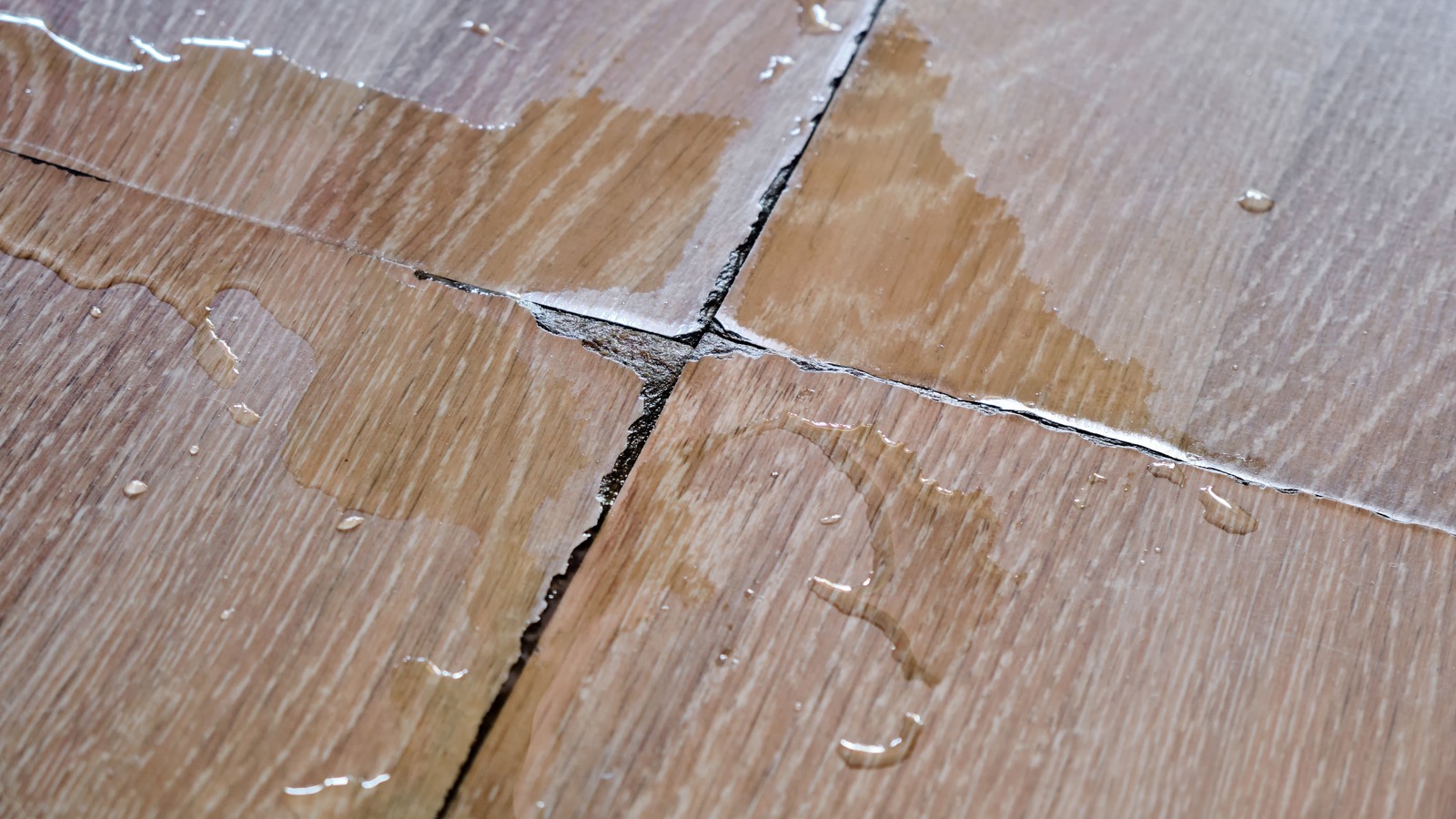
Why Mold Removal Becomes Necessary in Melbourne Under Hardwood Flooring
Hardwood flooring is a popular feature in many Melbourne homes. It adds warmth, character, and long-term value. But in Florida’s humid coastal climate, hardwood is also one of the most vulnerable materials when moisture problems develop. When water seeps beneath the surface — whether from plumbing leaks, slab moisture, storm intrusion, or elevated humidity — mold can begin growing under the flooring long before homeowners realize there’s an issue.
By the time boards start cupping, buckling, or separating, moisture has often already spread into the subfloor and structural layers beneath. In Melbourne, where humidity is persistent and slab foundations are common, mold removal under hardwood flooring is not uncommon — and it’s often necessary to prevent structural damage.
Let’s take a closer look at how moisture gets beneath hardwood floors, why mold develops so quickly in this environment, and how proper mold removal protects your home long-term.
Why Hardwood Flooring Is Vulnerable in Melbourne
Melbourne’s coastal environment creates consistent moisture pressure on homes.
High Year-Round Humidity
Even without visible leaks, indoor humidity can rise above 60% if not carefully controlled. Wood naturally absorbs moisture from the air. When it does, it expands and traps moisture between boards and subfloor layers.
Slab Foundation Construction
Many Melbourne homes are built directly on concrete slabs. After heavy rain, hydrostatic pressure can push moisture upward through the slab. If a vapor barrier is missing or compromised, moisture can migrate into the flooring system.
Storm Exposure
Wind-driven rain during Florida’s storm season can enter through minor gaps in doors, windows, or roofing systems. That water may travel downward and settle beneath flooring.
Plumbing Leaks
Small leaks from refrigerators, dishwashers, sinks, or bathrooms can spread under hardwood before being noticed.
Because hardwood flooring is porous and layered over other materials, moisture can become trapped beneath the surface.
Early Signs of Moisture Beneath Hardwood
Many homeowners first notice subtle changes.
Common warning signs include:
- Cupping (edges raised higher than the center)
- Crowning (center raised higher than edges)
- Buckling or lifting boards
- Gaps forming between planks
- Soft or spongy spots
- Persistent musty odors
These symptoms often indicate that moisture is affecting not just the surface boards, but also the subfloor underneath.
Ignoring these early signs allows mold growth to develop out of sight.
How Mold Develops Under Flooring
Mold requires moisture and organic material. Hardwood flooring and plywood subfloors provide both.
When moisture becomes trapped between:
- Hardwood planks
- Adhesives
- Subflooring
- Concrete slabs
Airflow is limited. In Melbourne’s warm climate, mold can begin forming within 24–48 hours if moisture levels remain elevated.
Because the area is concealed, mold may spread extensively before being discovered.
In some cases, homeowners only become aware of the problem when odors intensify or sections of flooring visibly deform.
Why Mold Removal Is Necessary
Surface drying alone is not enough once mold develops under hardwood.
Mold removal becomes necessary for several reasons.
1. Protecting Structural Integrity
Subflooring made of plywood or oriented strand board can weaken when exposed to prolonged moisture. Mold removal includes drying and stabilizing structural materials to prevent rot.
2. Preventing Recurrence
If moisture remains trapped, mold will continue spreading. Proper removal includes identifying and correcting the source.
3. Protecting Indoor Air Quality
Mold spores beneath flooring can enter indoor air circulation, especially when HVAC systems run.
Removing contamination helps restore healthier indoor conditions.
4. Avoiding Full Flooring Replacement
Early mold removal may limit the area of flooring that must be removed and replaced.
Delays often lead to larger structural involvement and higher costs.
The Proper Mold Removal Process Under Hardwood
In Melbourne homes, mold removal beneath hardwood flooring follows a structured sequence.
Step 1: Moisture Detection
Professionals use moisture meters and thermal imaging to determine how far moisture has spread.
This includes testing:
- Hardwood planks
- Subfloor layers
- Slab moisture levels
- Adjacent walls and baseboards
Companies like Inspections and More FL emphasize mapping hidden moisture before beginning removal.
Step 2: Source Correction
Before remediation proceeds, the moisture source must be addressed.
This may involve:
- Plumbing repairs
- Slab vapor barrier improvements
- Drainage adjustments
- HVAC condensation corrections
- Exterior sealing repairs
Without source correction, mold may return.
Step 3: Containment
Affected areas are isolated to prevent spores from spreading during flooring removal.
HEPA air filtration systems are often used.
Step 4: Removal of Contaminated Materials
Heavily affected hardwood boards and subfloor sections may need removal.
Porous materials that have absorbed mold deeply cannot always be salvaged.
Step 5: Structural Drying
Industrial dehumidifiers and air movers reduce moisture levels in exposed framing and slab surfaces.
In Melbourne’s humid climate, drying must be monitored carefully.
Moisture readings confirm when materials are safe for rebuilding.
Step 6: Cleaning and Surface Treatment
Remaining structural components are cleaned using professional remediation techniques.
Surface wiping alone is not adequate when contamination has penetrated wood fibers.
Why DIY Attempts Often Fail
Homeowners sometimes try to:
- Run fans
- Lower the thermostat
- Replace a few boards
- Use household cleaners
- Ignore minor cupping
These approaches rarely solve the underlying moisture issue.
Fans alone cannot remove moisture trapped beneath flooring. Lowering the thermostat cools air but does not necessarily reduce humidity.
Incomplete remediation often leads to recurring mold and larger repair costs.
Cost Factors to Consider
Costs for mold removal under hardwood depend on:
- Size of affected area
- Type of hardwood (solid vs engineered)
- Extent of subfloor involvement
- Length of drying time
- Necessary slab repairs
- HVAC involvement
Early detection significantly reduces overall cost.
Waiting increases the likelihood of structural damage and full-floor replacement.
Long-Term Prevention Strategies
To prevent recurrence in Melbourne homes:
- Maintain indoor humidity between 45–55%
- Install vapor barriers where appropriate
- Service HVAC systems regularly
- Inspect plumbing for minor leaks
- Monitor slab moisture
- Address storm-related water intrusion promptly
Routine evaluations help catch small problems before they escalate.
Why Local Experience Matters
Melbourne homes face:
- Coastal humidity
- Slab foundation construction
- Frequent storm exposure
- High groundwater levels
Professionals familiar with these local conditions understand how moisture behaves beneath hardwood flooring in this region.
That knowledge ensures mold removal addresses both contamination and environmental factors.
A Structured, Protective Approach
Mold under hardwood flooring is rarely just a surface issue. It often signals hidden moisture beneath structural layers.
The proper sequence is always:
Identify hidden moisture.
Correct the intrusion source.
Remove contaminated materials.
Dry thoroughly.
Clean and stabilize structural components.
Implement humidity control long-term.
When handled promptly and professionally, mold removal protects both the flooring and the structural integrity of Melbourne homes.
In Florida’s humid coastal climate, managing moisture beneath hardwood flooring is essential to maintaining a safe, stable, and long-lasting property.
