
After Heavy Rainstorms in Melbourne: A Closer Look at Anti-Microbial Fogging
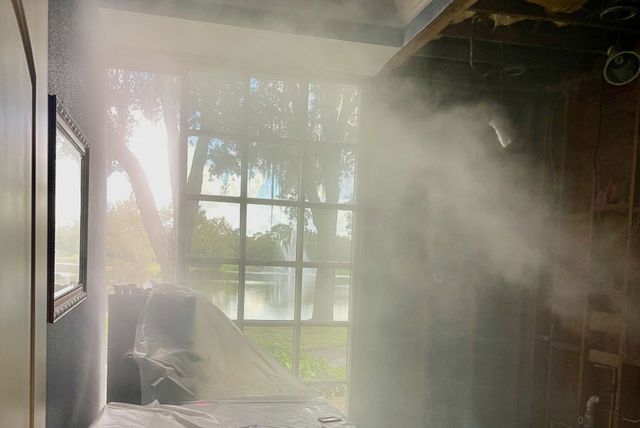
Heavy rainstorms in Melbourne don’t just soak lawns and streets — they test every part of a home’s moisture defense system.
After strong downpours or tropical systems, many homeowners notice subtle changes indoors:
- A faint musty odor
- Air that feels heavier than usual
- Slight discoloration near ceilings or baseboards
- Increased humidity even with the AC running
Sometimes there’s visible water intrusion. Other times, moisture seeps in quietly through roof seams, window frames, slab edges, or attic vents.
When that happens, anti-microbial fogging often becomes part of the conversation. But what does it actually do? And when is it necessary after heavy rainstorms in Melbourne?
Let’s break it down clearly.
What Happens Inside a Home After Heavy Rain
In Melbourne, rainstorms can be intense and sudden. Even brief exposure can allow moisture to enter:
- Attic spaces through wind-driven rain
- Around window seals
- Through minor roof vulnerabilities
- Into crawl spaces
- Along slab foundations
Water doesn’t need to flood the home to create problems. Even elevated humidity from storm exposure can:
- Damp insulation
- Increase wall cavity moisture
- Raise indoor humidity levels
- Activate dormant mold spores
Because Melbourne’s air is already humid year-round, storm-related moisture compounds existing conditions.
If drying isn’t handled properly, microbial growth can begin within 24–48 hours.
What Anti-Microbial Fogging Actually Is
Anti-microbial fogging is a process that disperses a fine mist of specialized solution into the air.
The fog:
- Reaches small crevices
- Settles onto surfaces
- Neutralizes microbial presence
- Reduces airborne contaminants
It is not a substitute for mold removal when visible contamination is present. Instead, it is typically used as a supplemental treatment after:
- Moisture stabilization
- Source correction
- Drying procedures
- Surface cleaning
In post-storm scenarios in Melbourne homes, fogging helps address residual microbial presence that may not be visible.
Why Heavy Rainstorms Increase the Need for Fogging
Storm-related moisture creates conditions that encourage microbial activity.
Common post-rainstorm situations in Melbourne include:
Elevated Indoor Humidity
Even without visible leaks, humidity may spike significantly after prolonged rainfall.
Attic Moisture Intrusion
Wind-driven rain can enter soffits or small roof gaps.
Crawl Space Dampness
Ground saturation increases vapor rising into raised homes.
AC System Overload
Heavy humidity forces AC systems to work harder, sometimes leading to condensation overflow.
When moisture touches organic building materials — drywall, wood framing, insulation — microscopic growth may begin before homeowners even notice.
Fogging becomes part of the protective response after drying to reduce microbial presence in affected zones.
What Fogging Does — And What It Does Not Do
It’s important to understand the limits of anti-microbial fogging.
What It Does:
- Helps neutralize residual microbial contaminants
- Reduces airborne spores
- Reaches hard-to-access areas
- Supports odor reduction
- Acts as a finishing step after moisture correction
What It Does Not Do:
- Replace structural drying
- Remove saturated insulation
- Eliminate heavy mold colonies
- Correct the moisture source
In Melbourne homes after heavy rainstorms, fogging is most effective when used as part of a complete moisture management strategy.
The Proper Sequence After Heavy Rain
When moisture intrusion occurs, professionals typically follow this order:
- Identify the source of moisture
- Stop water intrusion
- Perform moisture detection
- Dry affected materials with air movers and dehumidifiers
- Remove compromised materials if necessary
- Clean structural surfaces
- Apply anti-microbial fogging if appropriate
Skipping drying and moving straight to fogging does not solve the problem.
In Melbourne’s humid environment, moisture stabilization always comes first.
Why Timing Matters in Florida’s Climate
Melbourne’s combination of warmth and humidity accelerates microbial growth.
After heavy rain:
- Attic temperatures rise quickly
- Moisture remains trapped in insulation
- Indoor humidity levels increase
- Condensation forms in hidden spaces
Fogging is most effective when used promptly after drying, before widespread mold colonization occurs.
Delaying response increases the likelihood that material removal will be necessary instead.
Common Areas Treated After Rainstorms
In Melbourne homes, anti-microbial fogging may be applied in:
- Attic spaces after roof moisture intrusion
- Living rooms where humidity rose significantly
- Crawl spaces following ground saturation
- Areas with minor wall cavity dampness
- Rooms with lingering musty odors
Each application is based on moisture readings and inspection findings.
Experienced local companies, such as Inspections and More FL, evaluate whether fogging is warranted based on environmental conditions — not as a routine automatic step.
Why Homeowners Shouldn’t Attempt DIY Fogging
Some retail fogging products are available, but they often:
- Lack professional-grade dispersion
- Fail to address moisture sources
- Over-saturate surfaces
- Provide temporary odor masking only
Improper use can add additional moisture to already damp environments.
In Melbourne’s climate, controlled application and humidity monitoring are essential.
Professional fogging equipment distributes solution as a fine mist, minimizing additional moisture load.
Long-Term Protection After Heavy Rain
After storm-related moisture events, long-term protection strategies include:
- Inspecting roofs and flashing annually
- Maintaining gutters and downspouts
- Checking attic ventilation
- Monitoring crawl space vapor barriers
- Flushing AC condensate lines
- Tracking indoor humidity levels (ideal 45–55%)
- Scheduling post-storm moisture evaluations
Anti-microbial fogging supports recovery, but prevention focuses on moisture control.
Why Local Experience in Melbourne Matters
Melbourne’s coastal environment creates unique moisture behavior:
- Salt air accelerates roof wear
- Sudden heavy rain overwhelms drainage systems
- High water tables influence slab moisture
- Humidity lingers after storms
Professionals familiar with Melbourne understand how these factors interact.
Inspections and More FL has worked through many post-storm scenarios where moisture appeared minor but required careful evaluation to prevent microbial growth.
Local knowledge improves both timing and effectiveness of fogging treatments.
When to Schedule a Post-Storm Evaluation
After heavy rainstorms in Melbourne, consider an inspection if you notice:
- Persistent musty odors
- Elevated indoor humidity
- Ceiling discoloration
- AC drainage issues
- Damp attic insulation
- Crawl space moisture
Even if no visible mold appears, early assessment prevents escalation.
Stabilizing Indoor Environments After Melbourne Storms
Heavy rainstorms are part of life in Melbourne. What determines whether they lead to mold issues is how moisture is managed afterward.
Anti-microbial fogging plays a supportive role when used correctly — after drying, after source correction, and as part of a comprehensive response.
When paired with proper moisture detection and stabilization, it helps reduce microbial risk and restore indoor air balance.
In Florida’s humid climate, moisture events require proactive attention.
Address the water first. Stabilize humidity second. Use targeted treatments when necessary.
That layered approach protects Melbourne homes long-term — even after the heaviest rainstorms.
