
Behind Interior Walls in Palm Bay: A Closer Look at Moisture Detection
In Palm Bay, moisture doesn’t always announce itself.
Sometimes there’s no visible leak. No standing water. No dramatic ceiling stain. Instead, there’s just a faint musty smell, a slightly warped baseboard, or a room that feels more humid than the rest of the house.
What many homeowners don’t realize is that moisture often hides behind interior walls — especially in Florida’s humid, coastal environment.
Let’s take a closer look at how moisture builds up inside wall cavities in Palm Bay homes, how it’s detected, and why early identification makes all the difference.
Why Moisture Builds Up Behind Walls in Palm Bay
Palm Bay’s environment creates steady moisture pressure on homes.
Coastal Humidity
Living near the Indian River Lagoon means elevated humidity year-round. Walls absorb moisture slowly over time, especially during extended rainy periods.
Wind-Driven Rain
Strong storms push rain horizontally into:
- Window frames
- Siding seams
- Exterior wall penetrations
- Roof-to-wall transitions
Water can enter small gaps and settle inside wall cavities without visible exterior damage.
AC Condensation Issues
Air handler closets located inside homes sometimes leak due to clogged condensate drain lines. Moisture spreads into adjacent walls quietly.
Plumbing Leaks
Small supply line leaks behind sinks or inside bathrooms often go unnoticed for weeks.
Slab Foundation Vapor
Moisture rises through concrete slabs and migrates upward into lower portions of drywall.
All of these sources can introduce moisture into wall cavities without obvious warning signs.
Why Hidden Moisture Is a Serious Concern
When moisture remains trapped behind drywall:
- Insulation becomes saturated
- Wood framing absorbs water
- Drywall loses structural integrity
- Mold growth begins
- Indoor humidity rises
In Palm Bay’s warm climate, mold can begin developing within 24–48 hours of sustained dampness.
Because drywall hides the damage, problems often spread before homeowners notice them.
Common Signs of Moisture Behind Walls
Even when moisture is hidden, subtle signs often appear.
Palm Bay homeowners frequently report:
- Musty odor in a specific room
- Slight bubbling or peeling paint
- Soft or spongy drywall
- Warped baseboards
- Elevated indoor humidity
- AC running more frequently
- Discoloration near window corners
Sometimes the only indicator is smell.
If something feels “off,” it often is.
How Professional Moisture Detection Works
Detecting moisture behind walls requires more than visual inspection.
A proper evaluation in Palm Bay typically includes:
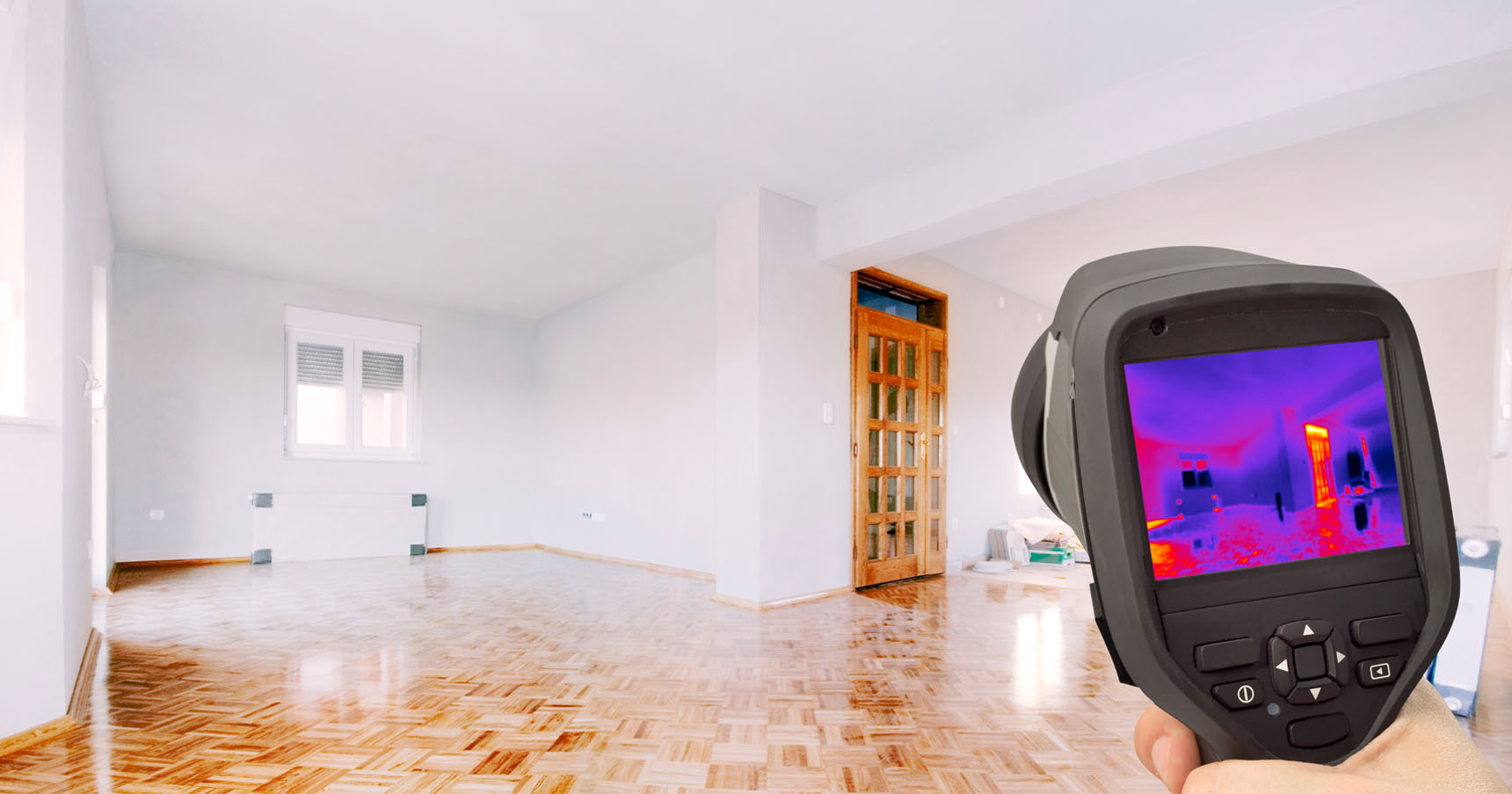
Thermal Imaging
Infrared cameras detect temperature differences caused by damp materials. Moist areas often appear cooler than surrounding dry surfaces.
Moisture Meter Testing
Pin and non-invasive meters confirm moisture content in drywall and framing.
Humidity Measurement
Indoor humidity levels above 60% increase mold risk.
HVAC Assessment
Checking air handler closets, drain lines, and ductwork for condensation leaks.
Attic and Exterior Inspection
Identifying potential intrusion points from above or outside.
At Inspections and More FL, the goal is to locate both the moisture and the source before any wall is opened.
Why DIY Detection Often Falls Short
Homeowners sometimes rely on:
- Visual inspection alone
- Store-bought humidity meters
- Touch tests
- Surface drying
These methods cannot detect:
- Moisture inside insulation
- Damp framing behind drywall
- Slow leaks inside cavities
- Slab vapor migration
Opening walls without confirmation can create unnecessary repairs.
Professional tools provide precise targeting.
What Happens After Moisture Is Confirmed
If moisture is detected behind interior walls, the next steps depend on severity.
Source Correction
Plumbing repairs, roof sealing, window resealing, or AC drain clearing.
Controlled Opening
Removing small sections of drywall to expose wet materials.
Structural Drying
Using air movers and dehumidifiers to dry framing and cavities.
Insulation Replacement
Wet insulation often requires removal.
Mold Remediation (If Present)
Cleaning or removing contaminated materials.
Restoration
Rebuilding affected wall sections after drying is complete.
Rushing repairs before moisture levels stabilize increases recurrence risk.
Why Palm Bay Homes Require Ongoing Monitoring
Palm Bay’s humidity and storm cycles mean moisture challenges are not one-time events.
Prevention strategies include:
- Monitoring indoor humidity between 45–55%
- Flushing AC drain lines quarterly
- Inspecting window seals annually
- Improving attic ventilation
- Scheduling post-storm inspections
- Checking slab moisture during flooring renovations
Small maintenance steps prevent large wall cavity problems.
The Cost of Waiting Too Long
Delayed detection can lead to:
- Extensive drywall replacement
- Mold remediation
- Flooring damage
- Structural repairs
- Indoor air quality issues
Moisture spreads gradually but steadily.
Early detection limits repair scope and cost.
Why Local Experience Matters in Palm Bay
Palm Bay homes vary in construction style and age.
Local professionals understand:
- Slab foundation moisture behavior
- Coastal humidity patterns
- AC condensation trends
- Storm-driven intrusion routes
- Typical plumbing vulnerabilities
Experience working across Palm Bay, Cocoa, Melbourne, Merritt Island, and Sanford allows faster identification of hidden moisture patterns specific to Florida homes.
Moisture detection isn’t about alarm — it’s about clarity.
A Calm, Practical Recommendation
If your Palm Bay home has unexplained odors, slight wall discoloration, or elevated humidity, it’s worth evaluating what may be happening behind interior walls.
Moisture often spreads silently before visible damage appears.
Thermal imaging and moisture detection provide non-invasive insight into hidden areas, allowing small issues to be corrected before they become major repairs.
In Florida’s climate, managing hidden moisture is part of protecting your home long-term.
