Merritt Island Homes Dealing With Moisture Detection in Coastal Properties — The Science Behind the Solution
Living on Merritt Island means living surrounded by water. With the Banana River on one side and the Indian River on the other, coastal air, high humidity, and frequent storms are simply part of the environment. While that waterfront setting is beautiful, it also creates ongoing moisture pressure on homes.
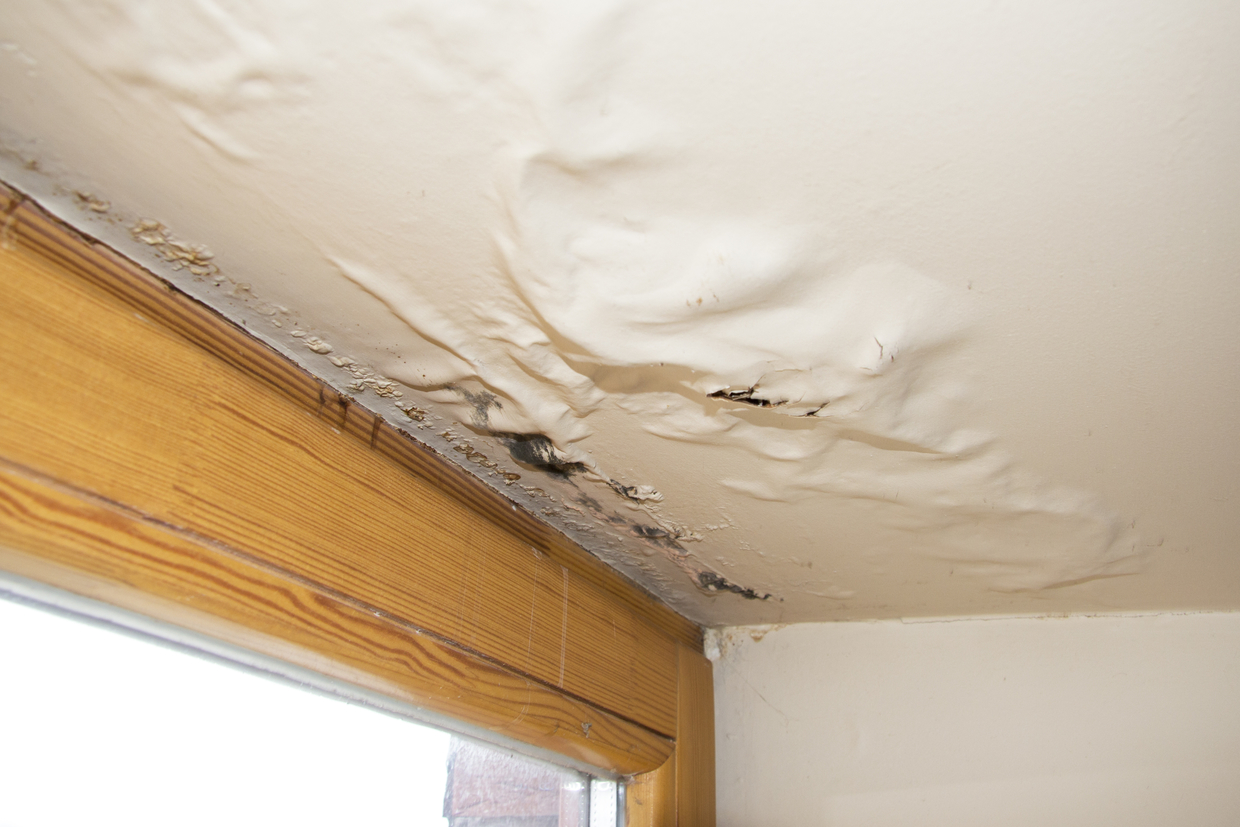
In coastal properties, moisture rarely arrives in dramatic floods. More often, it moves silently — through air, vapor, condensation, and small structural gaps. That’s why moisture detection in Merritt Island homes isn’t just a service. It’s a science-driven process designed to identify hidden dampness before it turns into structural damage or mold growth.
Understanding the science behind moisture detection helps homeowners see why early evaluation protects coastal properties long-term.
Why Coastal Homes Face Unique Moisture Challenges
Merritt Island homes operate under constant environmental pressure.
Salt-Laden Humid Air
Coastal air carries elevated moisture levels year-round. Even when it’s not raining, humidity remains high.
High Water Table
After heavy rainstorms, groundwater rises quickly. Slab foundations may experience increased vapor pressure from below.
Wind-Driven Rain
Storm systems push rain sideways into small openings in siding, flashing, or window frames.
Extended AC Operation
Air conditioning runs heavily in Florida. Improper drainage or duct insulation can introduce condensation into walls and attics.
Slab and Concrete Construction
Concrete is porous. Vapor can migrate upward over time.
These conditions create both visible and invisible moisture pathways.
The Science of How Moisture Moves
Moisture doesn’t just “sit.” It follows physical laws.
Vapor Diffusion
Water vapor moves from areas of high concentration to low concentration. In saturated soil conditions, vapor can migrate upward through slabs.
Capillary Action
Porous materials like wood and drywall can draw moisture upward against gravity.
Air Transport
Humid air entering through gaps carries moisture into wall cavities and attic spaces.
Condensation
When warm, humid air meets cooler surfaces (such as ducts or shaded walls), water droplets form.
Understanding these movement patterns allows professionals to predict where hidden moisture is likely to accumulate.
Why Moisture Often Goes Undetected
In Merritt Island coastal homes, moisture frequently develops behind:
- Exterior walls
- Baseboards
- Flooring systems
- Attic insulation
- Around HVAC components
Because surfaces may appear dry, homeowners often assume conditions are stable.
But internal materials can remain damp long after a storm passes.
By the time musty odors or staining appear, moisture has typically been present for days or weeks.
How Professional Moisture Detection Works
Moisture detection relies on technology, measurement, and environmental analysis — not guesswork.
1. Visual Inspection
Professionals evaluate roof lines, exterior grading, window seals, and slab edges.
2. Thermal Imaging
Infrared cameras detect temperature variations. Damp materials often appear cooler due to evaporative cooling.
Thermal imaging reveals patterns behind walls or under flooring without demolition.
3. Moisture Meters
Specialized meters measure moisture content within drywall, wood framing, and slab surfaces.
4. Humidity Analysis
Indoor humidity levels are assessed to determine if environmental conditions are supporting moisture retention.
5. Attic and Crawl Space Evaluation
These spaces are frequently affected in coastal homes.
Companies such as Inspections and More FL use combined tools to build a full moisture profile of the property.
Why Detection Matters More in Coastal Properties
Inland homes may dry more quickly after rain. Coastal properties face persistent humidity that slows evaporation.
Without early detection, moisture can lead to:
- Mold growth
- Wood rot
- Insulation breakdown
- Flooring damage
- Elevated indoor humidity
- Structural weakening
The science behind detection ensures that dampness is identified before materials degrade.
Lessons Learned From Local Merritt Island Cases
Repeated patterns appear in coastal inspections.
Slab Vapor Is Often Overlooked
Homeowners assume moisture must come from above, but rising vapor from below is common.
Minor Storm Intrusion Spreads Laterally
Water entering through small exterior gaps often travels horizontally behind siding.
HVAC Condensation Is Underestimated
Uninsulated ducts in humid attics frequently create localized dampness.
Humidity Control Is Just as Important as Leak Repair
Even after fixing intrusion points, high indoor humidity can maintain moisture conditions.
Detection allows professionals to confirm the full moisture footprint.
The Role of Dehumidification and Airflow
Once moisture is identified, controlled drying becomes essential.
High-capacity dehumidifiers:
- Lower ambient humidity
- Encourage moisture release from structural materials
- Stabilize indoor conditions
Air movement supports evaporation, but humidity must be reduced for drying to occur effectively.
In coastal climates, drying is a controlled process — not a passive one.
Preventing Recurring Moisture in Merritt Island Homes
Long-term protection focuses on both structure and environment.
Homeowners should:
- Maintain roof flashing and seals
- Inspect after heavy rainstorms
- Monitor indoor humidity (ideally 45–55%)
- Ensure proper attic ventilation
- Maintain HVAC drain lines and insulation
- Improve exterior drainage away from slabs
Routine moisture detection evaluations during storm season provide added protection.
Why Local Experience Matters
Moisture behavior in Merritt Island differs from inland regions.
Professionals familiar with Merritt Island, Cocoa, Melbourne, Palm Bay, and Sanford understand:
- Coastal humidity cycles
- Slab vapor transmission
- Storm-driven infiltration patterns
- Island-specific building materials
Local knowledge allows faster identification of likely moisture pathways and more accurate stabilization strategies.
Inspections and More FL works within these Florida coastal conditions, focusing on detection and prevention before recommending structural repairs.
A Practical Next Step
If you own a coastal property in Merritt Island and notice subtle humidity changes, musty odors, or minor staining, early moisture detection provides clarity.
The science behind the solution is simple: measure moisture accurately, understand how it moves, and correct conditions before damage spreads.
In Florida’s coastal climate, proactive detection protects your structure, your indoor air, and your long-term investment.
Moisture may move silently — but with the right tools and local expertise, it doesn’t have to remain hidden.