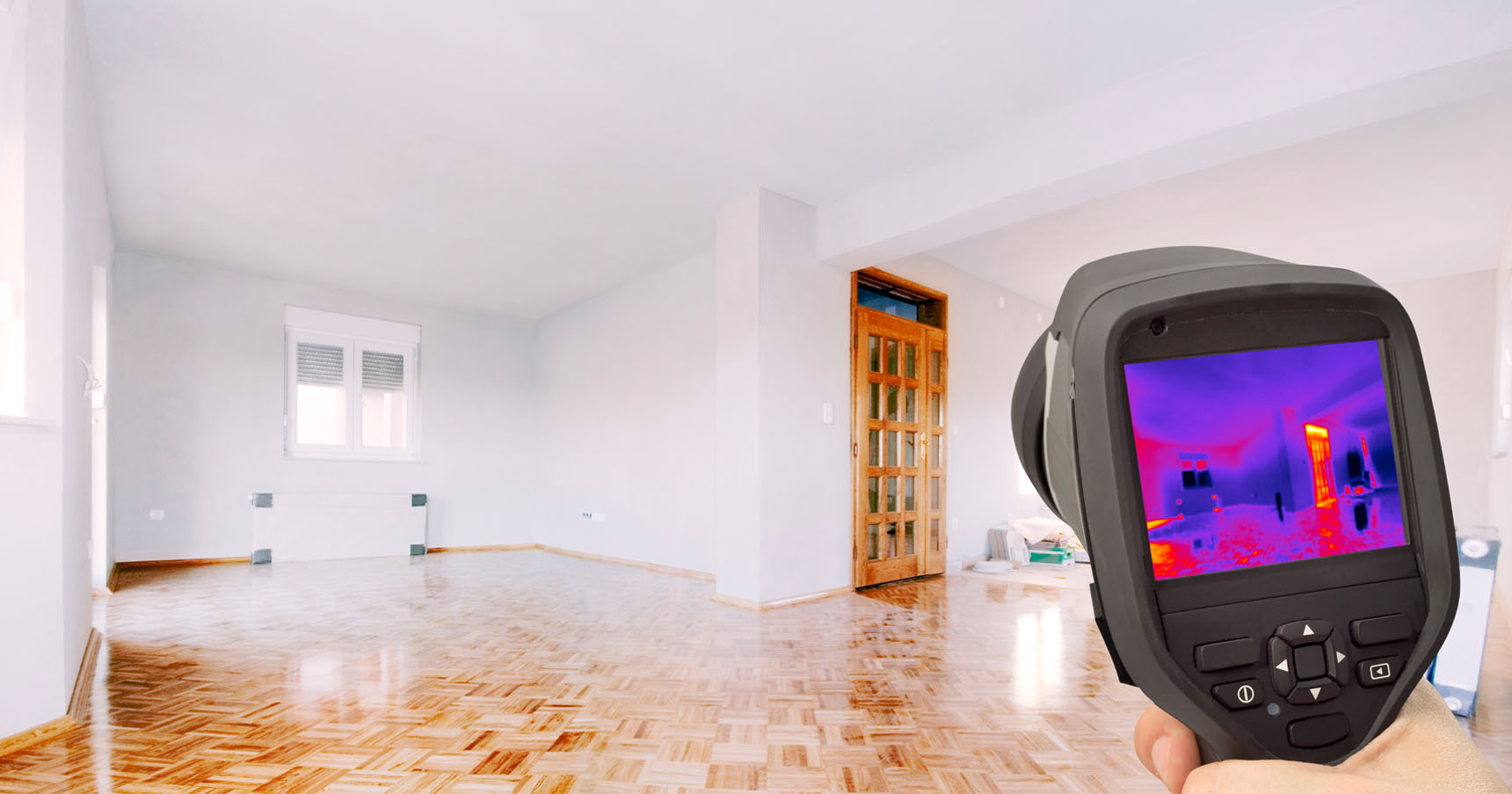
Melbourne Homes Dealing With Thermal Imaging Inspections in Waterfront Homes — How to Avoid Structural Damage
Waterfront living in Melbourne is hard to beat. Views of the Indian River Lagoon, steady coastal breezes, and that open Florida sky — it’s why people buy here.
But waterfront homes deal with constant moisture exposure. Salt air, elevated humidity, wind-driven rain, and higher groundwater levels all create ongoing stress on building materials. The tricky part? Much of the damage starts where you can’t see it.
That’s why thermal imaging inspections have become such an important tool for waterfront homes in Melbourne. They help detect hidden moisture early — before structural damage develops.
Why Waterfront Homes in Melbourne Are at Higher Risk
Waterfront homes face different environmental pressure compared to inland properties.
Common local factors include:
- Constant high humidity
- Salt air accelerating material wear
- Wind-driven rain during storms
- Tidal moisture influence
- Slab-edge groundwater migration
- Condensation from temperature swings
Even when no visible leak is present, moisture can slowly enter:
- Exterior wall cavities
- Roof decking
- Window frames
- Subfloors
- Crawl spaces
Over time, that hidden moisture can weaken structural wood, insulation, and fasteners.
Early detection makes all the difference.
What Thermal Imaging Actually Does
Thermal imaging cameras detect temperature differences across surfaces.
They do not directly “see” water — but moisture changes how materials hold and release heat. That temperature variation shows up clearly on thermal scans.
In Melbourne waterfront homes, thermal imaging can reveal:
- Damp insulation behind drywall
- Moisture along slab perimeters
- Roof intrusion patterns
- Condensation zones around ductwork
- Air leakage near windows and doors
It’s a non-invasive way to identify where moisture may be hiding.
How Thermal Imaging Prevents Structural Damage
The real benefit of thermal imaging isn’t just finding problems — it’s preventing escalation.
Here’s how it protects the structure:
1. Early Leak Detection
Small roof leaks or flashing failures often go unnoticed in attic spaces.
Thermal scans can identify cooler zones in roof decking before wood begins deteriorating.
Catching this early prevents truss damage and costly repairs.
2. Identifying Wall Cavity Moisture
Waterfront homes frequently experience wind-driven rain intrusion along exterior walls.
Thermal imaging can detect temperature irregularities behind drywall, allowing targeted inspection before framing weakens.
Without detection, moisture may sit inside walls for months.
3. Monitoring Slab Edge Moisture
In Melbourne slab homes, groundwater and high humidity can cause perimeter walls to absorb moisture.
Thermal imaging can reveal cooler areas along slab edges that indicate moisture migration.
Addressing this early prevents:
- Base plate deterioration
- Flooring damage
- Interior wall staining
4. Detecting HVAC-Related Condensation
Coastal humidity increases the risk of duct sweating and condensation buildup.
Thermal scans may show:
- Cold duct sections creating condensation
- Temperature imbalance in attic systems
- Insulation gaps
Unchecked condensation can lead to mold growth and structural decay.
The Professional Thermal Imaging Process
A structured inspection ensures accurate results.
Step 1: Environmental Assessment
Professionals measure indoor temperature and humidity.
Thermal imaging works best when temperature differences are sufficient to create contrast.
Step 2: Exterior Wall and Window Scanning
Exterior-facing walls — especially those facing prevailing winds — are scanned carefully.
Waterfront exposure makes these areas high priority.
Step 3: Attic Evaluation
Roof decking, trusses, and insulation are scanned for irregular temperature patterns.
Attic moisture is common after storm season in Melbourne.
Step 4: Slab and Floor Assessment
Floor surfaces and baseboards are evaluated for cooler zones that may indicate hidden dampness.
Step 5: Moisture Meter Confirmation
Thermal anomalies are verified with moisture meters.
This ensures that identified patterns represent real moisture — not just temperature variation.
Professionals familiar with coastal Brevard County conditions, such as Inspections and More FL, understand how humidity cycles and salt air affect building materials differently in waterfront homes.
When Waterfront Homeowners Should Schedule a Thermal Inspection
Thermal imaging inspections are especially valuable:
- After hurricane season
- When indoor air feels unusually humid
- If musty odors develop
- After roof repairs
- Before purchasing a waterfront home
- When preparing to sell
- If flooring shows minor cupping or separation
Even without visible damage, preventative inspections can save significant repair costs.
Long-Term Strategies to Avoid Structural Damage
Thermal imaging is part of a broader prevention plan.
Waterfront homeowners in Melbourne should also:
- Monitor indoor humidity (45–55% ideal range)
- Inspect roof flashing annually
- Maintain attic ventilation
- Check window seals regularly
- Service HVAC systems consistently
- Inspect exterior grading and drainage
Homes in nearby Palm Bay and Merritt Island face similar coastal exposure, but Melbourne waterfront properties often experience strong wind-driven rain along open lagoon-facing walls.
Regular inspections help manage that risk.
Why Local Coastal Experience Matters
Interpreting thermal imaging in a waterfront environment requires understanding:
- Salt air’s impact on building materials
- Storm-driven intrusion patterns
- Slab moisture migration
- Condensation cycles in humid climates
- Seasonal humidity fluctuations
Without local experience, thermal patterns may be misinterpreted or overlooked.
Proper evaluation prevents unnecessary demolition while ensuring hidden moisture is addressed.
A Practical Perspective for Melbourne Waterfront Homeowners
Thermal imaging inspections offer a powerful way to avoid structural damage in Melbourne waterfront homes.
By identifying hidden moisture early, homeowners can:
- Prevent wood deterioration
- Avoid mold development
- Protect flooring systems
- Preserve attic framing
- Maintain indoor air quality
In a coastal environment surrounded by water, moisture management is ongoing.
Thermal imaging provides clarity — allowing proactive maintenance instead of reactive repairs.
When used as part of a structured moisture control strategy, it helps waterfront properties remain stable, protected, and structurally sound for the long term.