Merritt Island Homes Dealing with Mold Remediation in Slab Foundation Houses — Cost Factors and Recovery Insights
Merritt Island’s charm — from waterfront views to quiet neighborhoods — comes with a climate all its own. Warm temperatures, high humidity, frequent afternoon storms, and a location surrounded by water create an environment where moisture issues tend to pop up more often than homeowners expect.
If you live in a slab foundation home here, you might already be familiar with subtle moisture signs: a musty smell, slightly warped baseboards, or a room that feels “off” even when the AC has been running all day. These are often early indicators of mold — and once mold becomes established in a slab foundation home, remediation isn’t just recommended — it becomes necessary.
In this article, we’ll walk through:
- What makes slab foundation homes in Merritt Island susceptible to mold
- The key cost factors involved in mold remediation
- The science and steps behind effective recovery
- Practical homeowner insights to avoid unnecessary expenses
Whether you’re a long-time resident or considering a slab home here, understanding the why, how, and what of mold remediation helps you protect your property without surprises.
What the Issue Is: Slab Foundations and Hidden Moisture
Unlike homes with crawl spaces, slab foundation houses are built directly on concrete placed over the ground. This design is sturdy and cost-effective, but in high-moisture environments like Merritt Island, it can create conditions that trap moisture close to the structure.
Why does this matter? Concrete is naturally porous. Water from heavy rains, high water tables, or even capillary action beneath the slab can push moisture upward over time. Once moisture migrates into the home:
- Flooring materials like wood, tile grout, or laminate may retain dampness
- Drywall and baseboards adjacent to exterior walls absorb moisture
- Humidity inside the living space increases
- Mold begins growing in hidden cavities and materials
Mold doesn’t always appear as dramatic black patches right away. Often it starts behind wall coverings, under flooring, or inside insulation where homeowners don’t routinely look. These hidden areas are typical in slab foundation homes, which is why air quality issues and mold growth are more common than many expect.
Why This Happens So Often in Merritt Island
Merritt Island’s unique geography accelerates the process:
1. High Water Table
Close proximity to the Indian River Lagoon and the Banana River means groundwater levels tend to stay high, especially during rainy seasons and after tropical storms. This increases moisture pressure beneath slabs.
2. Frequent Storm Activity
Heavy rains and occasional storm surge elevate soil saturation. Even if water doesn’t enter living spaces directly, moisture underneath the slab can rise.
3. Persistent Humidity
Unlike drier climates, Florida humidity doesn’t evaporate quickly. Moisture lingers in building materials long after rain stops.
4. HVAC Conditions
Air conditioning systems in coastal climates run nearly year-round. If the system isn’t properly maintained or ducts are not sealed correctly, condensation can add to indoor moisture.
5. Sealed Living Spaces
While sealing windows and doors helps with energy efficiency, it also traps humid air inside unless ventilation and dehumidification are balanced.
All of these factors make slab foundation homes in Merritt Island more prone to undetected moisture — and once mold takes hold, remediation becomes more than a cosmetic fix.
Common Signs Property Owners Notice
Mold problems usually start subtly. The following are often the first clues Merritt Island homeowners notice:
- Musty or earthy odors — especially in corners, closets, or near baseboards
- Warping or bubbling paint along walls closest to exterior surfaces
- Sticky or damp feelings on floors even when the AC runs continuously
- Darkening or staining near vents or wall edges
- Increased dust or unexplained irritation indoors
These signs don’t always mean massive mold colonies — but they do indicate moisture imbalance, which is the root cause.
Key Cost Factors in Mold Remediation for Slab Homes
The cost of mold remediation varies widely from home to home. On Merritt Island, the pricing is tied to several predictable elements:
1. Scope and Extent of Contamination
Small, localized growth near a bathroom wall will cost less to remediate than mold spread extensively under flooring, within wall cavities, or in HVAC ducts. Visible mold often tells only part of the story — hidden growth adds cost.
2. Moisture Source Identification
Finding the source of moisture is critical. Costs include:
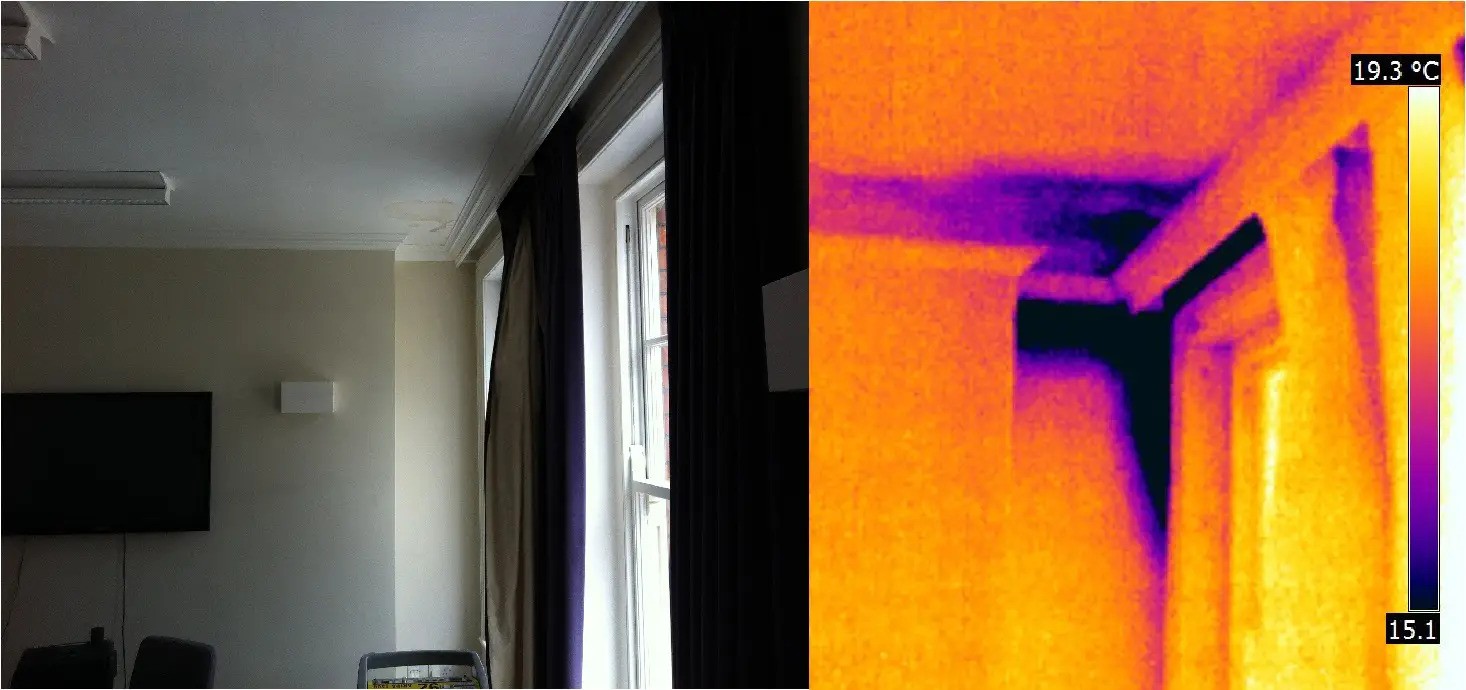
- Thermal imaging
- Moisture meter readings
- HVAC system evaluation
- Foundation inspection
Without pinpointing the source, remediation efforts are temporary at best.
3. Accessibility
Mold located behind drywall, under tile, or within enclosed spaces requires more labor and time to access, increasing costs.
4. Air Scrubbing and Containment
Professional remediation uses air scrubbers and containment barriers to prevent spore spread. Costs depend on:
- Size of home
- Number of air scrubber units needed
- Time required for thorough filtration
This is especially important in slab homes where airborne particles from hidden areas can circulate for long periods.
5. Material Removal and Replacement
If porous materials like drywall, insulation, or baseboards are contaminated, they may need removal. Replacement of materials adds to remediation costs.
6. Dehumidification and Drying Equipment
Industrial dehumidifiers and air movers are often run for days to weeks, depending on humidity levels and moisture retention in materials.
7. Post-Remediation Testing
Clearance testing and follow-up inspections help confirm that mold levels are within acceptable indoor air standards. This is an important step for homeowner assurance and real estate considerations.
The Science Behind Effective Mold Remediation
Successful remediation isn’t about masking mold or simply cleaning visible patches. It addresses both contamination and moisture control.
Step 1 — Inspection and Assessment
Professionals use tools like:
- Moisture meters
- Thermal imaging cameras
- Air quality testing equipment
These detect moisture pockets and hidden mold that aren’t visible to the naked eye.
Step 2 — Containment
Containment prevents spores from migrating to clean areas during remediation. This may include negative air pressure setups and physical barriers.
Step 3 — Removal
Contaminated building materials are removed carefully. In slab homes, this often includes:
- Baseboards
- Sections of drywall
- Flooring along exterior walls
Step 4 — Air Scrubbing
High-efficiency air scrubbers capture spores and fine particulate matter. These machines use HEPA filtration to clean indoor air continuously during remediation.
Step 5 — Drying and Dehumidification
Moisture must be eliminated to prevent mold recurrence. Industrial dehumidifiers and directional airflow systems dry structural cavities and materials thoroughly.
Step 6 — Final Inspection
Post-remediation checks confirm that moisture levels and air quality have returned to safe ranges.
This process isn’t quick, but it’s effective — and necessary for long-term indoor health and material stability.
Recovery Insights: What Homeowners Can Expect
After remediation and drying, most homeowners notice:
- Fresher, cleaner smelling air
- Less visible dust and dust settling
- Reduced humidity readings on hygrometers
- Cooler, more comfortable living spaces
- HVAC systems running more efficiently
But recovery isn’t just immediate comfort — it’s long-term protection of your home’s integrity.
How to Prevent Mold Recurrence in Slab Homes
Prevention starts with moisture control.
Here are steps that help Merritt Island homeowners reduce future mold risk:
- Monitor indoor humidity regularly (aim for 45–55%)
- Inspect slab edges after heavy rain or storms
- Seal expansion joints and cracks
- Maintain HVAC drain lines and coils
- Consider whole-home dehumidification systems
- Schedule annual inspections, especially before rainy seasons
Homes in Cocoa, Palm Bay, Melbourne, and Sanford experience similar moisture dynamics, making prevention key across Central Florida.
Why Local Experience Matters
Moisture behaves differently here than in dryer states.
Merritt Island’s:
- High water tables
- Persistent humidity
- Coastal influences
- Frequent storms
… all contribute to unique moisture challenges.
Professionals familiar with local construction styles, soil conditions, and HVAC patterns — like those at Inspections and More FL — are better equipped to identify subtle moisture entry points and design effective remediation strategies.
Local experience isn’t just helpful — it’s essential.
A Calm, Trust-Based Call to Action
Mold remediation in slab foundation homes on Merritt Island isn’t a guesswork exercise. It’s a structured, science-based process that tackles both visible contamination and the moisture behind it.
If you’re noticing subtle signs or are concerned after heavy rains or flooding, a professional evaluation can help determine the right next steps. Addressing mold early minimizes cost, protects your home’s structure, and ensures healthier indoor air quality for you and your family.
Taking a thoughtful, informed approach protects both your home and your peace of mind.