Understanding Air Scrubbing Challenges in Melbourne After Flooding Events
Flooding events in Melbourne are rarely simple. One day the rain is steady. The next, yards are saturated, drainage systems are overwhelmed, and parts of the home may have taken on water. Whether it’s storm surge, heavy inland rainfall, or plumbing failure during hurricane season, the water usually leaves — but the air inside the home tells a different story.
After flooding, many Melbourne homeowners notice a lingering odor. The surfaces may look dry. Flooring may have been removed. Walls may have been treated. But the indoor air still feels heavy or stale.
That’s where air scrubbing comes into the conversation.
In Melbourne, as well as nearby Palm Bay, Cocoa, Merritt Island, and Sanford, air scrubbing plays a key role after flood-related remediation. But it also comes with unique challenges that property owners should understand.
What the Issue Really Is
Flooding introduces more than just water into a home. It carries:
- Soil particles
- Organic debris
- Bacteria
- Mold spores
- Microscopic contaminants
Even after water extraction and drying, airborne particles can remain suspended in indoor air. These particles circulate through HVAC systems, settle into insulation, and embed in porous materials.
Air scrubbing is designed to remove these contaminants from the air itself.
However, flood-related contamination behaves differently than standard humidity issues. The volume of particulates is often higher. Moisture may remain hidden. And airflow patterns inside the home can complicate filtration efforts.
In Melbourne’s warm and humid environment, these challenges are amplified.
Why This Happens So Often in Melbourne
Melbourne’s location along Florida’s east coast exposes homes to:
- Tropical storms
- Heavy seasonal rainfall
- Storm surge in low-lying areas
- High groundwater levels
After flood events, several local factors create ongoing air quality issues:
Persistent Humidity
Even after standing water is removed, outdoor humidity slows indoor drying.
Saturated Building Materials
Drywall, insulation, and subflooring can absorb large amounts of moisture.
HVAC System Contamination
Flood-related particles can enter ductwork and circulate throughout the home.
Slab Foundation Moisture
Concrete slabs retain moisture long after visible water disappears.
Limited Ventilation
Closed windows during storms reduce air exchange.
In Melbourne homes, especially older properties near the coast or along the Indian River Lagoon, air contamination after flooding is common.
Common Signs Property Owners Notice
After flooding, many homeowners assume that once surfaces look dry, the issue is resolved.
But air contamination often presents differently.
Common signs include:
- Persistent musty odors
- Stale indoor air
- Increased dust buildup
- Mild irritation indoors
- Darkening around vents
- Odor returning when AC runs
Sometimes the smell intensifies when the HVAC system turns on. That’s often because contaminated air is being redistributed through ductwork.
Air scrubbing addresses the airborne portion of the problem — but only when used correctly.
Hidden or Overlooked Sources of Airborne Contamination
Flooding doesn’t just affect visible flooring or drywall.
Hidden sources often include:
- Insulation inside walls
- Ceiling cavities
- Air return ducts
- HVAC air handlers
- Behind cabinetry
- Under tile or laminate flooring
In Melbourne homes with ductwork running through attics, humid attic air can mix with contaminated indoor air, increasing particulate levels.
If hidden moisture remains, air scrubbing alone will not solve the issue.
That’s one of the main challenges.
Why DIY Air Cleaning Falls Short After Flooding
Homeowners often attempt to address odors with:
- Portable air purifiers
- Scented sprays
- Opening windows
- Running fans
These steps may temporarily improve comfort but rarely remove flood-related contaminants.
Here’s why:
Insufficient Filtration Power
Consumer units do not circulate enough air volume to handle post-flood contamination.
No Containment
Without isolating affected areas, particles continue spreading.
High Humidity Interference
Humid air reduces filtration efficiency and slows drying.
No Moisture Correction
If materials remain damp, contamination continues generating spores and odors.
Flood recovery requires a structured approach, not just surface-level air cleaning.
Professional Inspection & Detection Explained
Before air scrubbing begins, a full evaluation of the property is essential.
In Melbourne flood cases, professionals typically perform:
Detailed Visual Assessment
Checking for staining, residue lines, and moisture indicators.
Thermal Imaging
Identifying hidden damp areas behind walls or ceilings.
Moisture Meter Testing
Confirming that materials have reached safe moisture levels.
HVAC Inspection
Ensuring ductwork and air handlers are free from contamination.
Air Quality Evaluation
Measuring airborne particulate concentration when necessary.
Inspections and More FL often finds that odor complaints stem from moisture that was not fully addressed during initial drying.
Air scrubbing works best only after moisture control is complete.
The Science Behind Air Scrubbing After Flooding
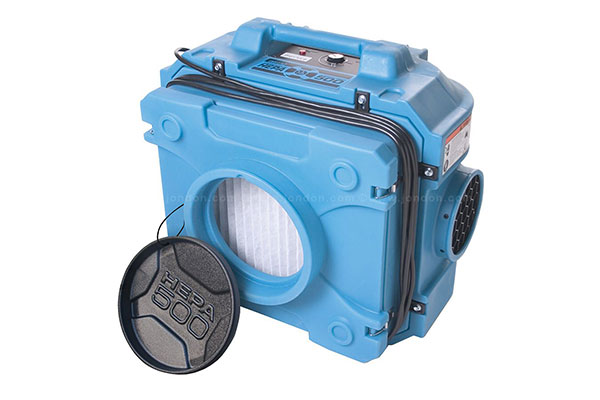
Air scrubbing uses industrial-grade filtration systems to remove airborne contaminants.
Professional air scrubbers include:
HEPA Filters
Capture 99.97% of particles as small as 0.3 microns, including mold spores.
Activated Carbon Filters
Absorb odor-causing compounds.
High Air Exchange Rates
Cycle large volumes of air multiple times per hour.
Negative Air Pressure Setup
Prevent contaminated air from spreading into unaffected areas.
In a flooded Melbourne home, air scrubbers are placed strategically to ensure full circulation.
However, the challenge lies in:
- High initial particulate levels
- Ongoing humidity
- Contaminated ductwork
- Air leakage from attic spaces
If not carefully positioned and monitored, scrubbers may not capture all contaminants.
That’s why professional setup matters.
Proper Remediation & Moisture Control Process
Air scrubbing is only one part of flood recovery.
A complete approach includes:
Water Extraction
Removing standing water quickly.
Structural Drying
Using air movers and dehumidifiers.
Removal of Saturated Materials
Discarding compromised drywall or insulation.
Containment
Preventing cross-contamination.
Air Scrubbing Operation
Running continuously during remediation.
Dehumidification
Lowering indoor humidity to stable levels.
HVAC Cleaning
Ensuring ducts and systems are not redistributing contaminants.
Final Clearance Checks
Confirming air quality stabilization.
In Melbourne’s humid climate, dehumidification and air scrubbing often operate together.
Without moisture control, air contamination can return.
How to Prevent Ongoing Air Quality Issues After Flooding
Prevention focuses on speed and thoroughness.
Melbourne homeowners can reduce post-flood air challenges by:
- Scheduling immediate moisture assessments
- Ensuring complete structural drying
- Inspecting ductwork after flooding
- Monitoring indoor humidity levels
- Running dehumidifiers during prolonged rain
- Conducting follow-up inspections
Homes in Palm Bay, Cocoa, and Merritt Island face similar flood-related air challenges, especially in low-lying neighborhoods.
The sooner moisture is addressed, the easier air purification becomes.
Why Local Florida Experience Matters
Flooding in Florida behaves differently than in drier states.
Melbourne’s:
- Warm temperatures
- High humidity
- Coastal air exposure
- Frequent storm cycles
… create ideal conditions for rapid contamination if not handled properly.
Professionals familiar with Central Florida construction understand how slab foundations, attic ductwork, and insulation types affect airflow patterns.
Inspections and More FL approaches post-flood air scrubbing with this local understanding — ensuring moisture correction and air purification work together.
Experience in Florida conditions makes the difference between temporary odor relief and long-term air stability.
A Calm, Practical Next Step
If your Melbourne property experienced flooding and the air still feels stale or musty, it may be time for a structured evaluation.
Air scrubbing is a science-based filtration solution designed to restore indoor air after contamination. But it works best when combined with proper drying and moisture correction.
Floodwater may leave quickly.
But restoring indoor air quality requires careful attention to both moisture and microscopic particles.
A professional assessment can clarify what’s needed — and help your home return to a stable, balanced condition.