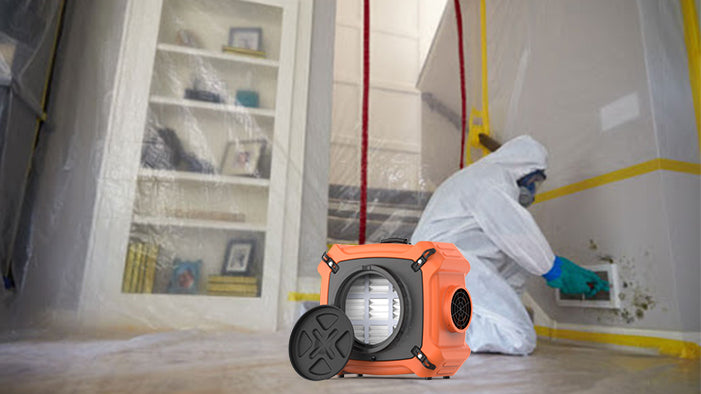
Why Anti-Microbial Fogging Becomes Necessary in Sanford Rental Properties
Rental properties in Sanford operate under a unique set of pressures. Between Florida’s year-round humidity, frequent storms, constant air conditioning use, and varying tenant habits, indoor environments can shift quickly. What appears to be a small moisture issue in a rental unit can escalate into a broader air quality concern if not addressed thoroughly.
In many cases, once visible mold is removed and structural drying is completed, anti-microbial fogging becomes a necessary final step. Not as a shortcut. Not as a cosmetic fix. But as a targeted method to address microscopic contaminants that remain suspended in the air or settled in hard-to-reach surfaces.
Property owners in Sanford—as well as nearby communities like Cocoa, Palm Bay, Melbourne, and Merritt Island—have learned that rental environments require careful stabilization after moisture events. Anti-microbial fogging is often part of that stabilization process.
What Anti-Microbial Fogging Actually Is
Anti-microbial fogging is a controlled process where a specialized solution is atomized into a fine mist and dispersed throughout a contained indoor space.
The purpose is to:
-
Neutralize airborne microbial particles
-
Treat surfaces not easily accessible by manual cleaning
-
Reduce lingering odors
-
Support post-remediation air quality stabilization
The fogging solution is designed to bond to microbial particles and surfaces, helping reduce the likelihood of regrowth when moisture conditions have already been corrected.
It is not a replacement for mold removal. It is a supplemental step used after proper remediation and drying have occurred.
Why Rental Properties in Sanford Face Increased Risk
Sanford’s environment creates several risk factors that make anti-microbial fogging more common in rental properties.
Persistent Humidity
Central Florida experiences extended humid seasons. Even without visible water intrusion, indoor humidity can remain elevated. Rental properties that are not carefully monitored may develop hidden moisture pockets.
Frequent Tenant Turnover
When tenants move out, HVAC systems are sometimes turned off to reduce costs. In Sanford’s summer heat, indoor humidity rises quickly in unconditioned spaces.
Vacant units often become moisture-prone within days.
Varying Maintenance Habits
Different tenants maintain properties differently. Exhaust fans may not be used consistently. Minor plumbing leaks may go unreported. Condensation around windows may be overlooked.
These factors contribute to microbial growth potential.
Storm Exposure
Sanford experiences heavy summer thunderstorms and occasional tropical systems. Even minor roof or window leaks can introduce moisture into wall cavities.
After remediation, fogging may be necessary to address residual airborne particles.
When Anti-Microbial Fogging Becomes Necessary
Fogging is typically considered in rental properties after specific conditions occur.
After Mold Remediation
During mold removal, spores become airborne. Even with containment and HEPA air scrubbing, microscopic particles can remain suspended.
Fogging helps neutralize residual airborne spores before a unit is reoccupied.
After Water Intrusion
Flooding, pipe bursts, or roof leaks disturb dust and microbial material inside walls and ceilings. As structures dry, particles enter circulation.
Fogging helps treat the entire indoor environment.
Persistent Odors
In some Sanford rental units, musty odors linger even after cleaning and drying. Fogging can help neutralize odor-causing microbial particles.
Multi-Unit Buildings
In apartment settings, airborne particles can move between units through shared ventilation systems. Fogging may be used to stabilize affected spaces.
Why Surface Cleaning Alone Is Not Enough
One of the lessons learned in many Sanford rental cases is that wiping surfaces does not fully address microbial presence.
Manual cleaning reaches:
-
Floors
-
Countertops
-
Accessible walls
But it often misses:
-
Ceiling cavities
-
Air return vents
-
Inside closets
-
Behind fixtures
-
Microscopic crevices
Anti-microbial fogging distributes a fine mist that settles evenly across exposed surfaces, including areas difficult to reach manually.
However, it is only effective when moisture has already been corrected.
The Professional Fogging Process
Proper fogging follows a structured protocol.
Step 1: Confirm Moisture Correction
Fogging should never be applied to active mold growth or wet materials. Moisture readings must confirm that drying is complete.
Step 2: Containment and Preparation
The area is prepared to ensure even distribution of the fogging solution.
HVAC systems may be temporarily adjusted depending on the situation.
Step 3: Application
A professional fogging machine disperses a fine mist throughout the contained space.
The particle size allows the solution to remain suspended briefly before settling on surfaces.
Step 4: Dwell Time
The solution remains in the space for a designated period to allow proper interaction with airborne particles and surfaces.
Step 5: Ventilation and Air Stabilization
After fogging, ventilation and air scrubbing may be used to stabilize indoor air quality.
Companies such as Inspections and More FL approach fogging as part of a comprehensive remediation plan, not as a standalone service.
Why Fogging Is Especially Useful in Rental Settings
Rental properties present unique challenges compared to owner-occupied homes.
Faster Re-Occupancy
Landlords often need units ready for new tenants quickly. Fogging supports efficient environmental stabilization after remediation.
Liability Reduction
Ensuring that microbial contamination has been thoroughly addressed helps reduce recurring complaints.
Hidden Surface Treatment
Rental units frequently contain cabinetry, closets, and tight spaces where microbial particles may settle.
Fogging helps treat these areas more evenly.
Multi-Unit Considerations
In apartment complexes, contamination may not remain isolated. Fogging supports broader environmental treatment when needed.
The Importance of Humidity Control After Fogging
Fogging does not replace humidity management.
In Sanford rental properties, maintaining stable indoor humidity is essential to prevent recurrence.
Property owners should:
-
Keep HVAC systems running during vacancies
-
Install dehumidifiers in high-risk units
-
Maintain condensate drain lines
-
Monitor humidity levels regularly
Without moisture control, microbial growth can return even after fogging.
Common Misconceptions About Fogging
Some property owners assume fogging alone can eliminate mold problems.
This is incorrect.
Fogging:
-
Does not remove damaged materials
-
Does not replace structural drying
-
Does not fix leaks
-
Does not substitute for containment
It is a supplemental stabilization step used after proper remediation.
When applied correctly, it enhances overall treatment effectiveness.
Why Local Experience Matters
Sanford’s climate differs from many other regions.
Understanding:
-
Florida humidity cycles
-
Slab foundation moisture behavior
-
HVAC condensation patterns
-
Storm-driven rain intrusion
-
Building materials common in Central Florida
is essential when determining whether fogging is appropriate.
Rental properties in Cocoa, Palm Bay, Melbourne, and Merritt Island share similar environmental pressures, but inland Sanford homes often face prolonged humidity exposure due to limited coastal breezes.
Professionals experienced in these communities recognize when fogging is truly necessary versus when other solutions are sufficient.
Prevention Strategies for Rental Property Owners
To reduce the need for fogging in the future, property owners can:
-
Conduct inspections between tenants
-
Keep HVAC systems operational during vacancies
-
Address minor leaks immediately
-
Inspect after heavy rain
-
Install humidity monitors
-
Schedule periodic moisture evaluations
Routine oversight reduces the likelihood of recurring microbial issues.
A Practical and Responsible Approach
Anti-microbial fogging becomes necessary in Sanford rental properties when residual airborne contamination remains after moisture events or mold remediation.
It is not a dramatic step. It is a measured response to Florida’s humid environment and the realities of rental property management.
When combined with proper drying, containment, air scrubbing, and humidity control, fogging helps stabilize indoor conditions before re-occupancy.
In a climate where moisture is constant,
thorough remediation—including environmental treatment—helps protect both property value and tenant comfort over the long term.